

Location Guides: Where Charlotte-Area Horse People Are Buying
1. The Ultimate Guide to Horse Farms for Sale in Waxhaw, NC
Waxhaw remains the gold standard for serious equestrians in the Charlotte metro. With preserved agricultural zoning, mature tree canopies, and a horse-first community infrastructure, properties here offer 10+ acre parcels with established barns. Expect premium pricing: $800K to $3M+ for turnkey operations: but you're buying into a proven equestrian ecosystem with veterinary services, feed stores, and trainers within a five-mile radius.
2. Why Weddington is the Perfect Spot for Your Equestrian Estate
Weddington delivers the rare combination of Union County's horse-friendly zoning and Mecklenburg County's proximity. Properties here balance refined living spaces with functional equestrian infrastructure. The Town's commitment to preserving rural character means your investment is protected by thoughtful development restrictions. Most parcels range 5-15 acres with newer construction and designer barns.
3. Luxury Living: Equestrian Properties in Marvin, NC
Marvin attracts buyers who won't compromise on either the house or the horse facilities. Think chef's kitchens that open to covered viewing areas overlooking custom arenas. Properties start at $1.5M and climb quickly for estates with heated/cooled barns, multiple pastures with run-in sheds, and professional-grade footing. The village's strict preservation ordinances ensure your neighbor won't subdivide.
4. Exploring York County, SC: A Haven for Horse Lovers
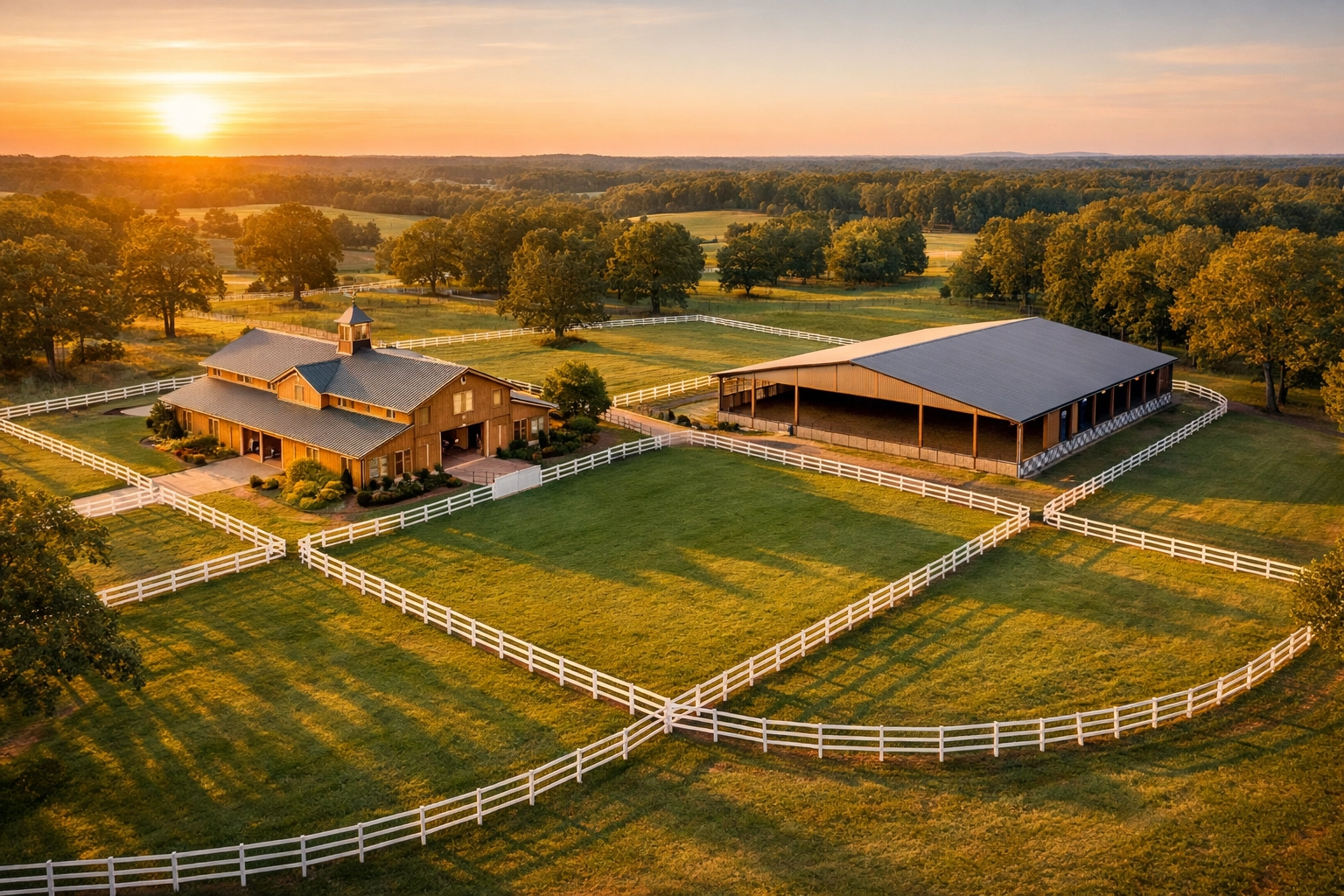
Cross the state line for significantly lower property taxes and agricultural exemptions that actually benefit small farm owners. York County offers larger acreage options ($400-700K for 15-30 acres) with less restrictive building requirements. The horse community here is tight-knit and working-farm oriented. You're 25 minutes from South Charlotte but saving $200+ monthly on property taxes alone.
5. Finding Your Dream Horse Property in Mooresville
Mooresville's lake influence creates microclimates ideal for year-round pasture management. Properties north of town offer rolling terrain with natural water sources: critical for sustainable farm design. The equestrian community leans toward dressage and recreational riders. Expect 10-20 acre parcels from $550K-$1.2M with good bones but often needing barn updates.
6. Tryon Horse Country: Why It's Still a Top Destination
Tryon International Equestrian Center's presence has permanently elevated the area's equestrian real estate. While prices have adjusted upward, the concentration of Olympic-level training facilities, show veterinarians, and specialized services remains unmatched in the Southeast. Serious competitors and young professionals building training businesses should focus here despite the 90-minute commute to Charlotte.
7. Huntersville Equestrian Real Estate: Space Close to the City
Northern Mecklenburg County's last equestrian holdout offers compromise: 5-10 acre parcels within 20 minutes of Uptown Charlotte. Properties move fast here because the inventory is finite. Agricultural zoning is under constant pressure, making these purchases both lifestyle and land preservation investments. Budget $750K+ for anything with adequate horse facilities.
8. Hidden Gems: Horse Farms for Sale in Davidson, NC
Davidson's estates blend equestrian function with Lake Norman access: a unique combination. Properties here cater to families wanting horses and boats. The town's walkable college atmosphere adds character. Limited availability means buyers should act decisively when the right property surfaces. Most farms sit on 8-15 acres with traditional barn setups requiring modest updates.
9. Why Harrisburg, NC is Growing for Equestrian Families
Harrisburg's explosive residential growth hasn't erased its agricultural roots: yet. Smart buyers are securing the remaining horse-zoned properties before they're rezoned. The area offers newer construction with purpose-built barns, excellent highway access, and strong school systems. Properties move between $650K-$1.1M for 7-12 acres. Buy now before the window closes.
10. Large Acreage and Privacy: Monroe's Best Horse Properties
Monroe delivers what's increasingly rare: 20+ acre parcels under $700K. The trade-off is a 40-minute commute and less developed equestrian infrastructure. These properties suit buyers prioritizing space for multiple horses, hay production, or breeding operations over proximity to trainers and show venues. Union County's agricultural zoning remains protective.
Infrastructure & Farm Design Essentials
11. Must-Have Feature: Why an Indoor Riding Arena Changes Everything
An indoor arena transforms seasonal riders into year-round competitors. In North Carolina's humid summers and unpredictable winters, covered workspace means consistent training despite weather. Quality construction costs $150-300K for a 100×200 regulation space with proper footing and ventilation. Properties with existing indoors command $200K+ premiums and sell 60% faster than comparable farms without.
12. Barn Layouts 101: Designing for Efficiency and Horse Safety
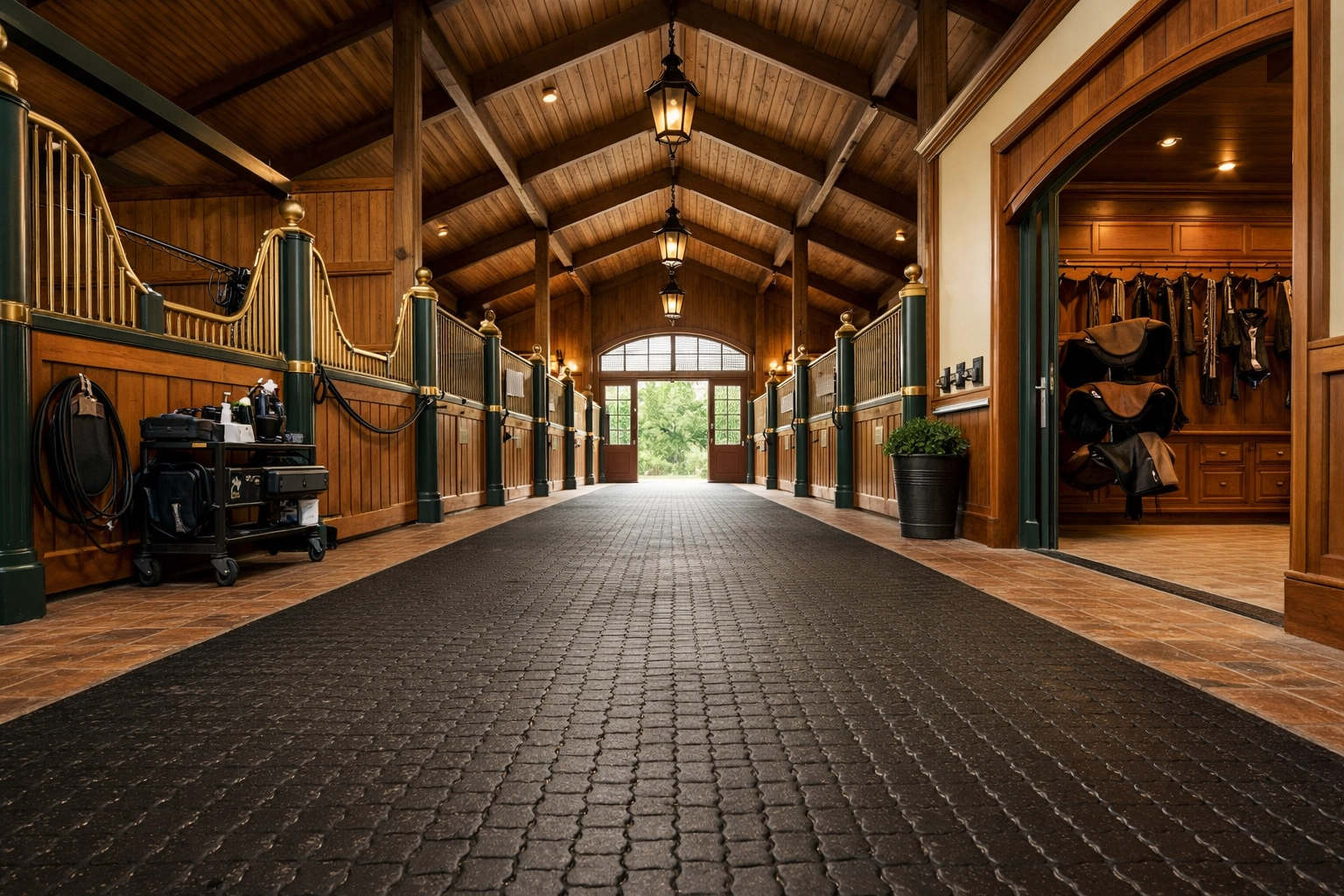
The best barn designs prioritize horse welfare and human efficiency equally. Center-aisle layouts with 12×12 stalls, strategic cross-ties, and generous tack rooms create functional daily operations. Budget $40-60K per stall for new construction including run-outs. Existing barns should show proper ventilation, safe electrical systems, and water access in every section. Renovating poor layouts often costs more than building correctly from scratch.
13. Pasture Management: Keeping Your North Carolina Soil Healthy
North Carolina's clay-based soils compact easily and require deliberate management. Rotational grazing prevents overgrazing while building soil organic matter. Lime application every 2-3 years maintains proper pH for fescue and orchard grass. Budget $200-400 per acre annually for pasture maintenance including fertilization, mowing, and weed control. Properties with established pasture management programs show better horse health and lower hay costs.
14. The Essentials of High-End Stable Design in Charlotte
Designer barns balance Instagram aesthetics with practical horse care. Heated/cooled tack rooms, individual thermostatically controlled stalls, and rubber flooring define luxury facilities. Expect $80-120K per stall for premium construction with custom finishes. These features matter most for breeding operations, senior horses, and competition barns where temperature regulation impacts performance and health outcomes directly.
15. Fencing Options for NC Horse Farms: Safety Meets Style
Post-and-board fencing dominates luxury properties but demands maintenance. Vinyl-coated wire systems offer safety and longevity for less. Budget $8-15 per linear foot for quality installation. Never use barbed wire around horses. Properties with newly installed fencing represent significant value: buyers often underestimate the $30-50K investment for properly fencing 10 acres with safe, horse-appropriate materials.
16. Manure Management: Best Practices for Small and Large Farms
Proper manure composting protects water quality and reduces fly populations. North Carolina regulations require covered storage and runoff management for farms with 10+ horses. Composting systems cost $5-15K installed but pay returns through reduced hauling fees and usable compost. Properties with existing compliant systems save buyers immediate capital outlays and regulatory headaches.
17. Drainage Solutions for Your Equestrian Property
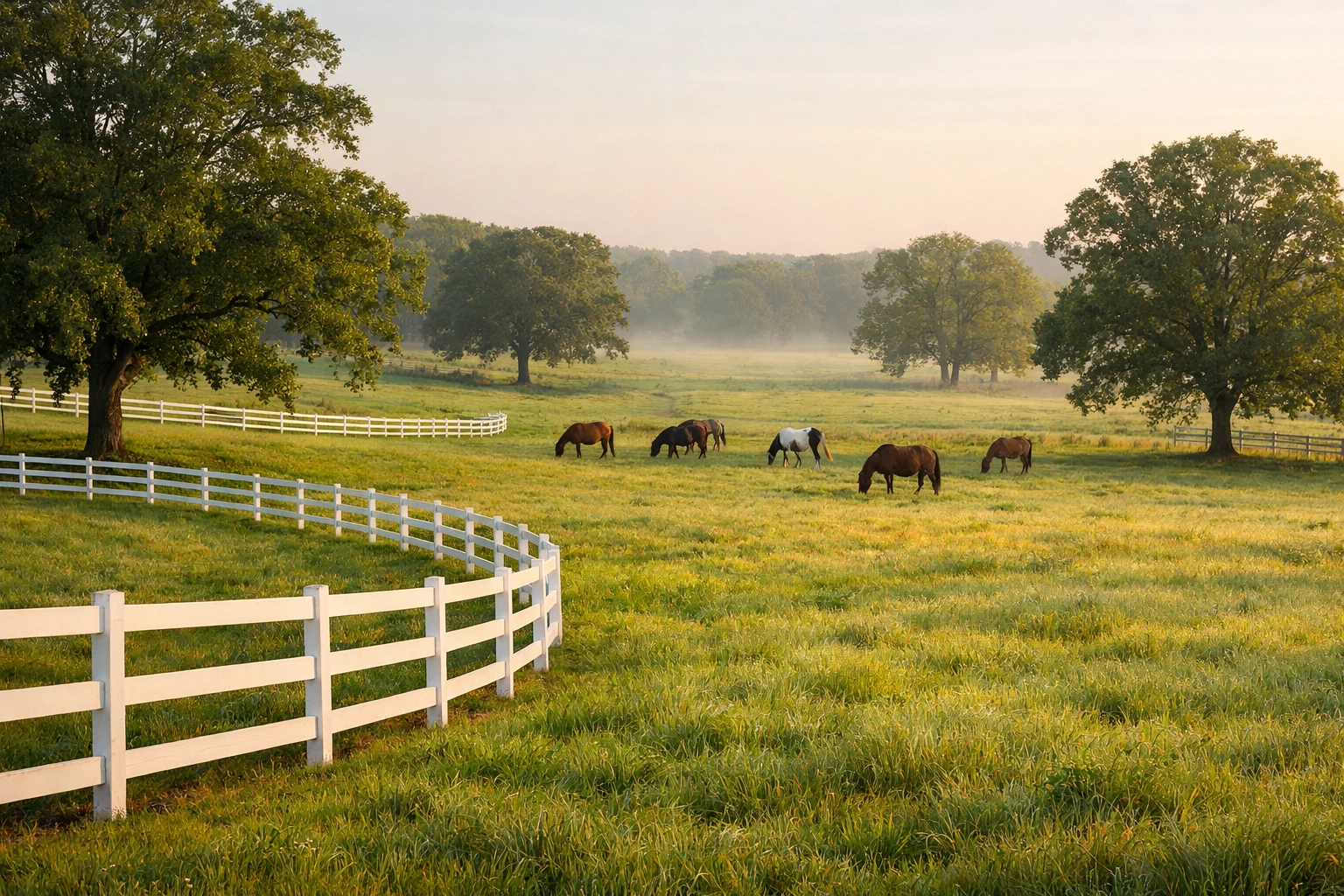
Charlotte's clay soils and 45 inches of annual rainfall create persistent drainage challenges. French drains around barns, properly graded paddocks, and strategic swales prevent mud accumulation and hoof problems. Budget $10-30K for comprehensive drainage solutions. Properties with engineered drainage sell for premiums because mud management directly impacts daily horse care and facility usability.
18. Tack Room Goals: Organizing Your Equestrian Gear
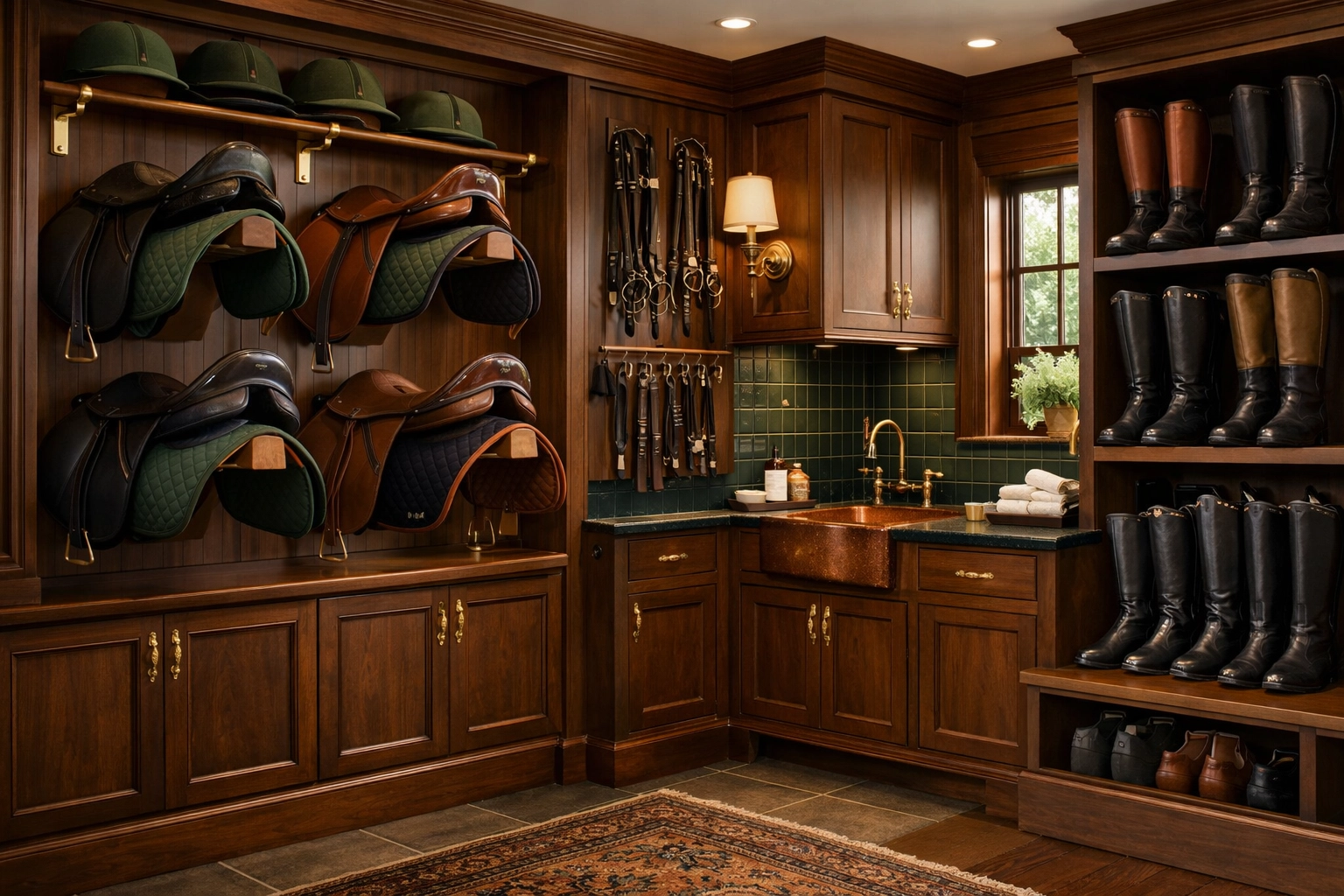
Functional tack rooms feature climate control, organized saddle racks, and secure storage for valuable equipment. Well-designed spaces include wash stations, boot storage, and natural light. Converting existing barn space costs $8-15K for a professional setup. Properties with thoughtfully designed tack rooms signal owners who invested in proper infrastructure throughout the facility.
19. Preparing Your Hay Storage for the North Carolina Seasons
Covered hay storage prevents mold and waste in humid Southern climates. Plan for 1.5-2 tons per horse annually if supplementing pasture. Proper barns include separate, well-ventilated hay storage away from electrical systems. A 12-month supply requires 200-300 square feet of covered space per horse. Properties with adequate covered storage represent significant functional value often overlooked in initial property tours.
20. The Best Public Riding Trails Near Charlotte, NC
The Carolina Thread Trail network expands annually, offering miles of bridle-friendly paths. Anne Springs Close Greenway in Fort Mill provides 40+ miles of maintained trails. Latta Equestrian Center in Huntersville offers arena access and trail connections. Properties within trailering distance of established trail systems appeal to recreational riders and add lifestyle value beyond the farm itself.
Buying, Selling, & Ownership Guidance
21. First-Time Horse Farm Buyer? Here's Where to Start
Define your actual horse needs before touring properties. One retired horse requires vastly different infrastructure than three active eventers. Budget for 2-3 acres minimum per horse for sustainable pasture rotation. Pre-qualify for specialized equestrian financing. Work with agents who own horses themselves: they'll spot drainage issues and barn safety concerns invisible to traditional residential agents.
22. Navigating Zoning Regulations for Horses in Mecklenburg County
Mecklenburg County restricts horses to properties zoned Rural or Agricultural: increasingly rare designations. Minimum lot sizes, setback requirements, and manure management regulations apply. Verify zoning before making offers; residential zoning prohibits horses regardless of acreage. Properties with existing agricultural zoning are finite and irreplaceable as development pressure intensifies.
23. Union County Zoning: What Equestrian Buyers Need to Know
Union County's RA-40 zoning protects agricultural uses including horses with one dwelling per 40 acres. The county's Right to Farm ordinance shields agricultural operations from nuisance complaints. This regulatory environment makes Union County increasingly attractive as Mecklenburg's horse properties disappear. Understand permitted uses and building restrictions before purchasing.
24. Staging Your Horse Farm: How to Sell Faster and for More
Buyers visualize themselves in clean, organized facilities. Power wash barn aisles, repair fence boards, and trim pastures before listing. Remove personal tack and excess equipment. Stage viewing areas with seating overlooking arenas or pastures. Professional equestrian property marketing includes drone footage and barn detail shots. Well-presented farms sell 30-45 days faster and receive higher offers.
25. 5 Things to Look for During a Horse Property Home Inspection
Standard home inspections miss critical equestrian infrastructure. Verify electrical service adequacy for barn loads. Test well water flow rates and quality. Inspect fencing integrity throughout the property. Evaluate septic system capacity if adding farm help housing. Assess drainage patterns during rain. Specialized equestrian inspections cost $500-800 but identify expensive issues invisible to general inspectors.
26. Financing Your Dream: Specialized Loans for Equestrian Estates
Conventional financing often balks at properties exceeding 10 acres or substantial barn value. Agricultural loans through Farm Credit or specialized lenders understand equestrian operations. Some programs offer better terms for income-producing farms. Jumbo loans handle luxury estate pricing. Pre-qualifying with equestrian-experienced lenders prevents last-minute financing complications that kill transactions.
27. The 2026 Charlotte Equestrian Market: Trends to Watch
Inventory remains critically low as development pressure converts horse properties to subdivisions. Properties under $800K with functional facilities sell within weeks. Luxury estates above $2M see longer market times but maintain values. Out-of-state buyers relocating for Tryon's equestrian infrastructure expand search areas throughout Union and York counties. Expect continued appreciation for properly zoned, functional farms.
28. Tax Benefits of Owning a Working Horse Farm in NC
North Carolina's Present Use Value program dramatically reduces property taxes for qualifying agricultural land. Requirements include minimum acreage, income production, and management plans. Savings range from 60-85% of fair market tax assessments. Boarding, training, and breeding operations qualify. Proper documentation and adherence to program requirements protect these benefits through ownership transitions.
29. From Pro to Retirement: Finding the Right Training Facility
Professional trainers need 15+ acres, multiple arenas, and proximity to show venues. Retirement horses thrive on smaller properties with minimal facilities but excellent pasture. Define your timeline and goals before property shopping. Properties offering flexibility for changing horse numbers and uses provide best long-term value. Training facilities near Tryon command premium pricing but offer established client bases.
30. Why Soil Testing is a Must Before Buying Land in Charlotte
Clay content, pH levels, and drainage capacity vary dramatically across the Charlotte region. Soil testing costs $50-200 but reveals pasture viability and building challenges. Poor soils require extensive amendment for healthy grazing. Some properties need engineered septic systems adding $20-40K to development costs. Testing before purchase prevents expensive surprises during farm development.
Ready to find your North Carolina horse property? Explore our current equestrian listings or contact our team to discuss your specific equestrian real estate needs. We're horse people first( let's find your perfect farm together.)

