

Why Long-Tail Keywords Matter in the Charlotte Equestrian Market
The Charlotte Metro equestrian market operates differently than traditional real estate. Horse people don't search for "homes for sale", they search for "barn with 12 stalls and indoor arena near Tryon" or "20-acre pasture property with run-in sheds in Waxhaw." These specific, intent-driven searches represent buyers and sellers who know exactly what they want.
Long-tail keywords, phrases containing three or more words that target specific queries, convert at significantly higher rates than generic terms. When someone searches "horse property financing options NC," they're further along in their buying journey than someone searching "houses for sale." This specificity creates opportunity for equestrian-focused content that serves genuine needs while building search authority.
The following 30 blog post ideas target the exact questions, concerns, and desires of horse owners throughout the Charlotte Metro region. Each topic addresses real pain points while positioning your brand as the definitive equestrian real estate resource in North Carolina.
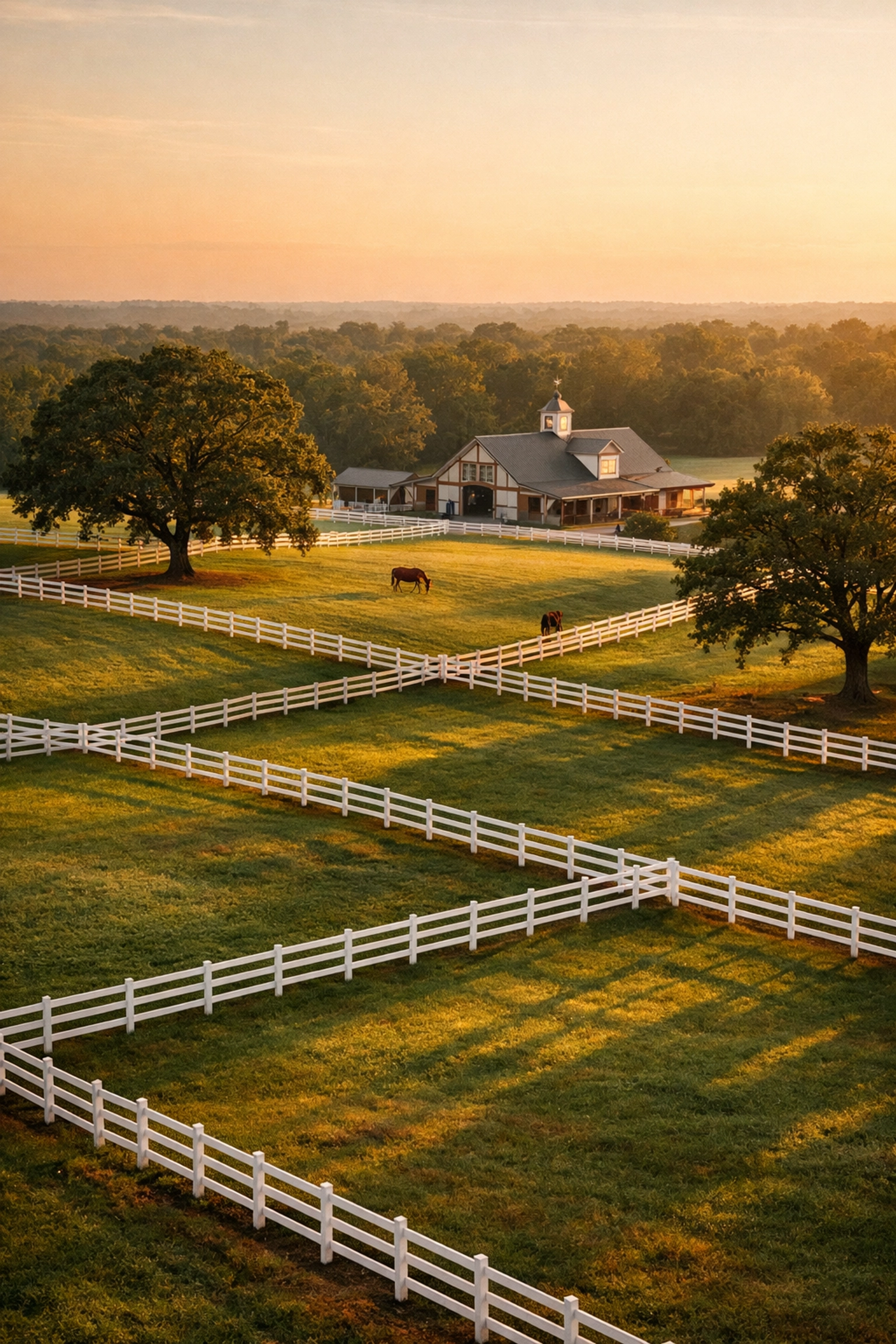
Location-Specific Property Guides (Posts 1-10)
1. The Ultimate Guide to Horse Farms for Sale in Waxhaw, NC
Waxhaw sits at the epicenter of Charlotte's equestrian culture. This comprehensive guide covers everything from average acreage costs and zoning regulations to the local horse show scene and veterinary resources. Include neighborhood comparisons, school districts for equestrian families, and proximity to major training facilities.
2. Why Weddington is the Perfect Spot for Your Equestrian Estate
Weddington offers the rare combination of excellent schools, manageable lot sizes, and horse-friendly zoning within 30 minutes of Uptown Charlotte. Focus on the lifestyle appeal, professional equestrians who need city access without sacrificing barn time.
3. Luxury Living: Equestrian Properties in Marvin, NC
Marvin properties represent the high end of Charlotte equestrian real estate. This post targets buyers seeking custom barns, designer tack rooms, and homes where architectural elegance matches stable quality. Emphasize privacy, acreage, and the understated luxury that defines serious horsemen's estates.
4. Exploring York County, SC: A Haven for Horse Lovers
South Carolina's lower property taxes and agricultural exemptions make York County increasingly attractive. Cover the practical benefits, tax savings, land costs, zoning flexibility, while highlighting the strong equestrian community and access to Carolina Horse Park.
5. Finding Your Dream Horse Property in Mooresville
Mooresville combines waterfront living with equestrian amenities. Address the unique considerations of lakefront horse properties: drainage, pasture management near water, and how to evaluate properties with dual recreational appeal.
6. Tryon Horse Country: Why It's Still a Top Destination
Tryon represents the pinnacle of Carolina equestrian living. This post serves both buyers seeking show access and sellers who need their property marketed to the right international audience. Focus on TIEC's continued influence, training opportunities, and long-term property value appreciation.
7. Huntersville Equestrian Real Estate: Space Close to the City
For equestrians who can't sacrifice career accessibility, Huntersville offers legitimate horse facilities within commuting distance. Address the compromise thoughtfully, these properties won't offer 50-acre pastures, but they provide functional barn setups with suburban convenience.
8. Hidden Gems: Horse Farms for Sale in Davidson, NC
Davidson's college-town atmosphere and historic charm attract a different equestrian demographic. Target families who want cultural amenities alongside their horse facilities, plus access to excellent public and private schools.
9. Why Harrisburg, NC is Growing for Equestrian Families
Harrisburg's rapid development hasn't eliminated horse-friendly properties. This post helps buyers navigate new construction versus established farms, and how to evaluate developing areas for long-term equestrian suitability.
10. Large Acreage and Privacy: Monroe's Best Horse Properties
Monroe offers what's increasingly rare in Charlotte Metro, true acreage at manageable prices. Target buyers prioritizing land over location, particularly breeding operations, retirement facilities, or owners who value seclusion.
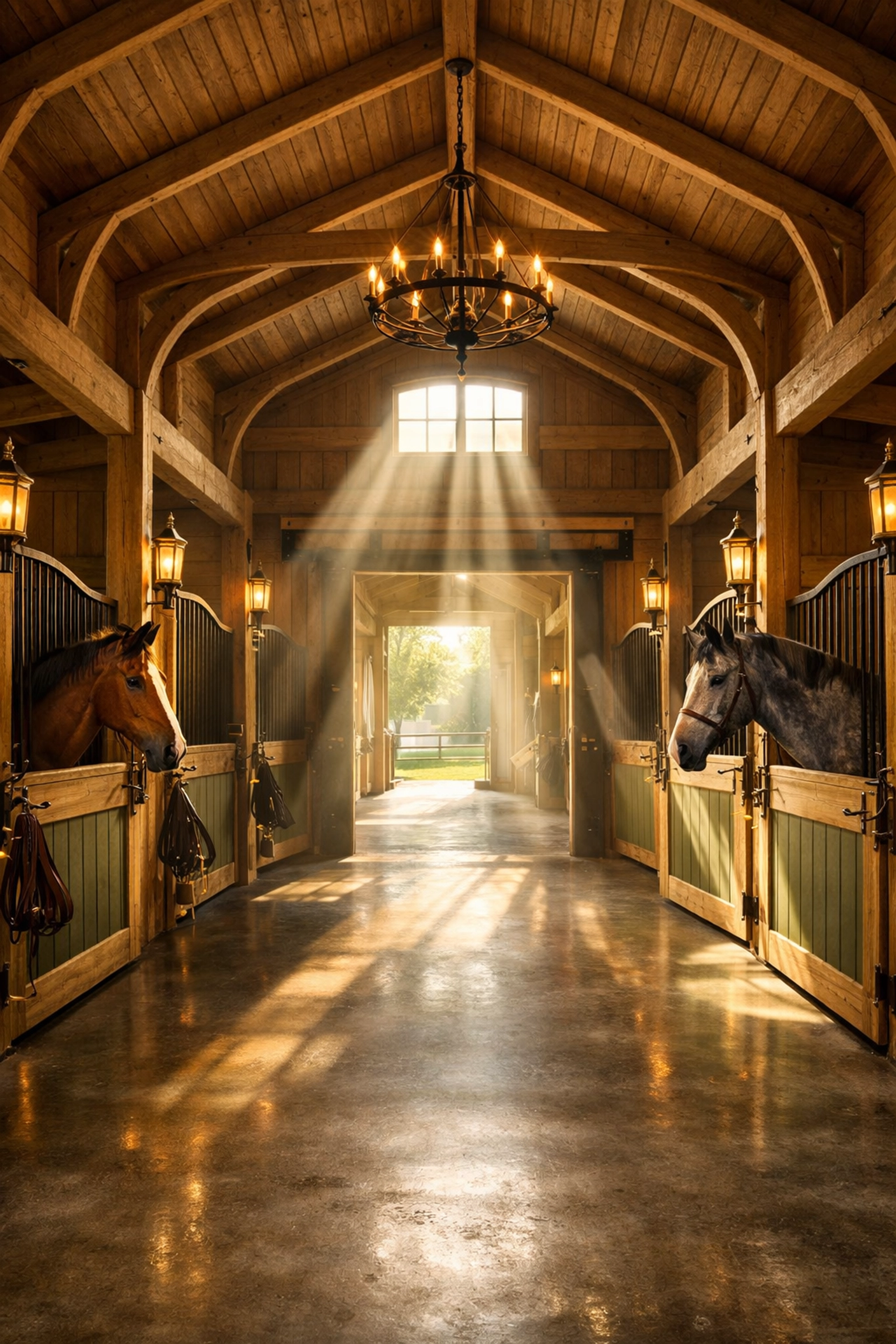
Facility & Infrastructure Education (Posts 11-19)
11. Must-Have Feature: Why an Indoor Riding Arena Changes Everything
Every serious equestrian understands indoor arena value, but not every buyer factors in construction costs, maintenance requirements, or resale impact. Provide detailed analysis of size considerations, footing options, and when an indoor justifies the investment versus covered alternatives.
12. Barn Layouts 101: Designing for Efficiency and Horse Safety
Center aisle versus shedrow, Dutch doors versus full stall fronts, feed room placement, wash rack considerations, this post serves both buyers evaluating existing barns and sellers considering pre-sale improvements. Focus on practical workflow and safety rather than aesthetic preferences.
13. Pasture Management: Keeping Your North Carolina Soil Healthy
North Carolina's red clay and variable rainfall create specific pasture challenges. Cover rotational grazing, fescue toxicity awareness, appropriate stocking rates, and seasonal management strategies. This positions your brand as knowledgeable about land quality, not just structures.
14. The Essentials of High-End Stable Design in Charlotte
Luxury barn buyers expect heated tack rooms, rubber pavers, automatic waterers, and sophisticated ventilation systems. Detail what separates functional barns from exceptional facilities, helping high-end buyers evaluate properties accurately.
15. Fencing Options for NC Horse Farms: Safety Meets Style
Board fence looks beautiful but requires maintenance. Wire mesh offers durability but limited aesthetics. Discuss cost-benefit analysis of fencing types, local contractor recommendations, and how fencing quality affects property value and insurance rates.
16. Manure Management: Best Practices for Small and Large Farms
Unglamorous but critical. Address composting systems, pickup service options, environmental regulations, and how property design affects manure handling efficiency. Sellers preparing properties need this information; buyers evaluating farms need to ask these questions.
17. Drainage Solutions for Your Equestrian Property
Poor drainage destroys pastures, creates mud management nightmares, and costs tens of thousands to correct. Teach buyers what to look for during property walks and help sellers understand when drainage improvements increase marketability.
18. Tack Room Goals: Organizing Your Equestrian Gear
This lighter lifestyle content showcases beautiful tack room organization while subtly marketing properties with well-designed storage solutions. Include before-and-after transformations and product recommendations that demonstrate your understanding of daily barn life.
19. Preparing Your Hay Storage for the North Carolina Seasons
Humidity, heat, and hay quality concerns specific to the Southeast. Cover proper storage building requirements, when to buy local versus import from other regions, and cost considerations for year-round feeding programs.
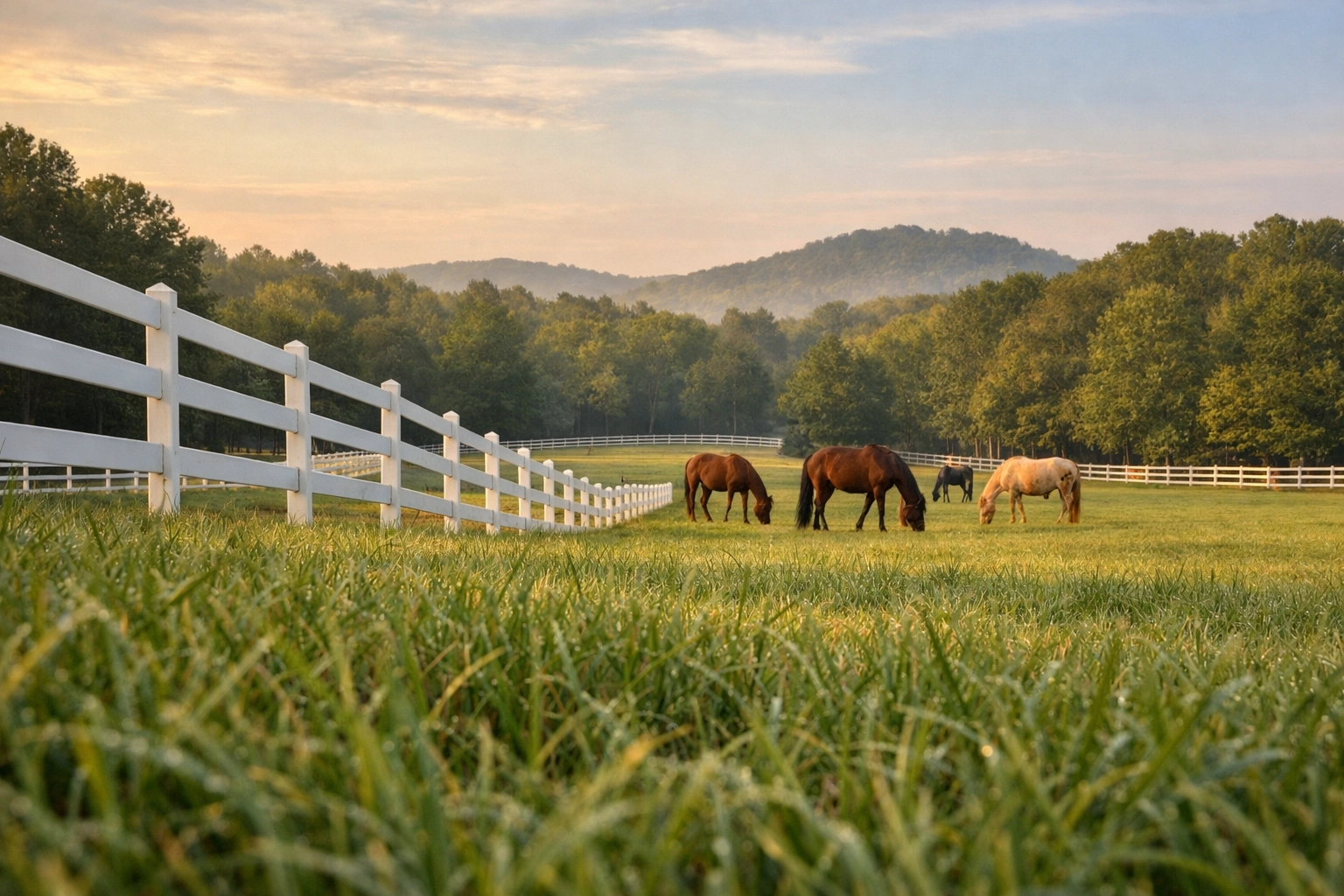
Buyer & Seller Transaction Guidance (Posts 20-30)
20. The Best Public Riding Trails Near Charlotte, NC
Lifestyle content that attracts engaged readers while demonstrating community knowledge. Include trail etiquette, trailer parking information, and how proximity to quality trails affects property desirability and value.
21. First-Time Horse Farm Buyer? Here's Where to Start
De-mystify the process without oversimplifying. Cover financing differences, property inspection considerations unique to farms, and common mistakes first-time buyers make when transitioning from boarding to ownership.
22. Navigating Zoning Regulations for Horses in Mecklenburg County
Mecklenburg's increasing development pressure creates complex zoning situations. Provide actionable guidance on minimum acreage requirements, permitted use applications, and how to verify a property's legal equestrian status before purchase.
23. Union County Zoning: What Equestrian Buyers Need to Know
Union County offers more favorable agricultural zoning than Mecklenburg. Detail the specific regulations, agricultural exemption qualifications, and how zoning affects everything from arena construction to boarding operations.
24. Staging Your Horse Farm: How to Sell Faster and for More
Empathetic seller-focused content. Address barn cleanliness, pasture presentation, and how to showcase property potential without major capital investment. Emphasize quick wins that improve showing experiences.
25. 5 Things to Look for During a Horse Property Home Inspection
Standard home inspections miss critical equestrian infrastructure issues. Educate buyers on barn foundation concerns, electrical capacity for farm operations, well water quality testing, and septic systems sized for farm use.
26. Financing Your Dream: Specialized Loans for Equestrian Estates
Conventional mortgages often don't accommodate hobby farms or properties with commercial barn facilities. Explain USDA loans, portfolio lenders familiar with equestrian properties, and how different property classifications affect financing options.
27. The 2026 Charlotte Equestrian Market: Trends to Watch
Current data-driven analysis positioning your expertise. Cover inventory levels, average days on market for equestrian properties, price trends by area, and emerging buyer demographics entering the Charlotte market.
28. Tax Benefits of Owning a Working Horse Farm in NC
Present Value Use agricultural classification, business expense deductions, and depreciation schedules. Recommend consultation with qualified tax professionals while demonstrating your understanding of financial considerations serious farm owners face.
29. From Pro to Retirement: Finding the Right Training Facility
Serve the professional trainer market seeking client-appropriate facilities. Address barn layout for lesson programs, multiple ring requirements, client parking and amenities, and proximity to show venues.
30. Why Soil Testing is a Must Before Buying Land in Charlotte
Soil composition affects everything from pasture productivity to septic system placement. Explain testing procedures, interpretation of results, and how soil quality impacts long-term farm viability and operating costs.
Implementing Your Content Strategy
These 30 posts form the foundation of a comprehensive Charlotte equestrian SEO strategy. Each topic addresses genuine informational needs while naturally incorporating location-specific and feature-specific long-tail keywords. Published consistently over six months, this content establishes search authority, demonstrates specialized knowledge, and attracts both buyers and sellers at various decision stages.
The key lies in execution: every post must serve the reader first, search engines second. Horse people recognize authentic expertise immediately: and dismiss superficial content just as quickly.
Ready to explore equestrian properties throughout Charlotte Metro? Our team understands these topics intimately because we live this life daily. Connect with specialists who speak your language and understand what makes a property work for horses( not just humans.)

