

If you're marketing an equestrian property or running a horse-focused business in the Charlotte Metro area, you already know the clients you want aren't searching for generic real estate listings. They're typing specific questions into Google at midnight after barn chores: "indoor arena horse properties Waxhaw," "Union County horse zoning rules," or "best trails near Charlotte for trail riding."
That's where long-tail SEO transforms your website from invisible to indispensable. These 30 blog post ideas are designed to capture the exact searches your ideal buyers and sellers are making, while establishing your authority as someone who truly understands the equestrian lifestyle in North Carolina.
Why Long-Tail Keywords Matter for Equestrian Real Estate
Long-tail keywords are three-to-five-word search phrases that reflect specific intent. Unlike broad terms like "horse farm" (which you'll never rank for against national sites), phrases like "pasture management tips North Carolina clay soil" attract qualified visitors actively seeking solutions.
For equestrian properties, this specificity is your competitive advantage. Your prospective clients aren't casual browsers, they're serious horse owners with detailed requirements, limited inventory, and substantial budgets. When your content answers their precise questions, you build trust before the first phone call.
The Charlotte Metro equestrian market spans multiple counties, each with distinct zoning regulations, soil conditions, and community cultures. This geographic and regulatory complexity creates hundreds of content opportunities that national real estate platforms will never address.
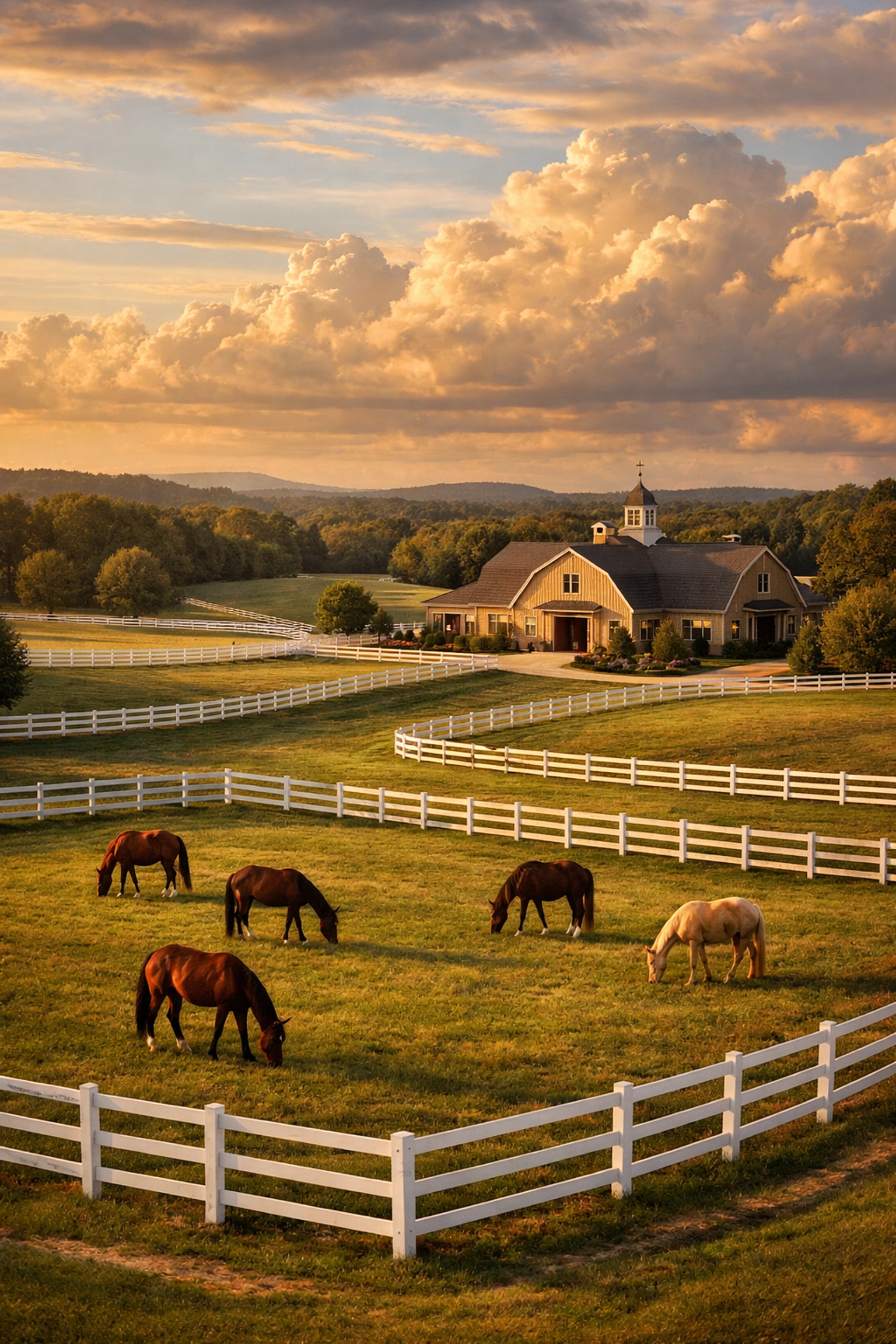
Geographic-Specific Property Content (Posts 1-10)
1. The Ultimate Guide to Horse Farms for Sale in Waxhaw, NC
Waxhaw remains the crown jewel of Charlotte equestrian real estate. This comprehensive guide should cover price ranges, typical acreage, barn styles, proximity to Canter Lane and Waxhaw Equestrian Center, and what makes the Union County location attractive for hunters, eventers, and dressage riders alike.
2. Why Weddington is the Perfect Spot for Your Equestrian Estate
Position Weddington as the luxury equestrian suburb, excellent schools, horse-friendly zoning, and just minutes from Charlotte. Discuss minimum lot sizes, architectural standards, and the balance of privacy with community.
3. Luxury Living: Equestrian Properties in Marvin, NC
Marvin attracts high-end buyers seeking statement properties. Cover the town's rural character protection ordinances, waterfront horse properties on Lake Lee, and the aesthetic expectations for this sophisticated market.
4. Exploring York County, SC: A Haven for Horse Lovers
Just across the state line, York County offers more land for less money with South Carolina's favorable tax structure. Detail the Fort Mill and Lake Wylie equestrian communities, barn builders in the area, and what NC residents should know about purchasing across state lines.
5. Finding Your Dream Horse Property in Mooresville
Mooresville provides lake access combined with horse property, a rare combination. Discuss properties near Lake Norman, the western hunter/jumper community, and proximity to Tryon for those who show.
6. Tryon Horse Country: Why It's Still a Top Destination
Tryon International Equestrian Center changed everything. Explain the investment opportunity, rental income potential from horse show visitors, and lifestyle considerations for year-round versus seasonal residents.
7. Huntersville Equestrian Real Estate: Space Close to the City
Huntersville offers the increasingly rare combination of substantial acreage within 30 minutes of Uptown Charlotte. Cover northern Mecklenburg's remaining agricultural parcels and what's driving development pressure.
8. Hidden Gems: Horse Farms for Sale in Davidson, NC
Davidson's preserved rural character and town planning make it distinctive. Discuss historic farms, preservation easements, and the college town's unique cultural amenities.
9. Why Harrisburg, NC is Growing for Equestrian Families
Harrisburg's explosive growth hasn't eliminated horse properties yet. Cover what's still available, how to navigate rezoning pressures, and the Rocky River corridor's trail access.
10. Large Acreage and Privacy: Monroe's Best Horse Properties
Monroe and eastern Union County offer the most land per dollar in the metro area. Ideal for breeding operations, large boarding facilities, or those who simply want 50+ acres and total privacy.
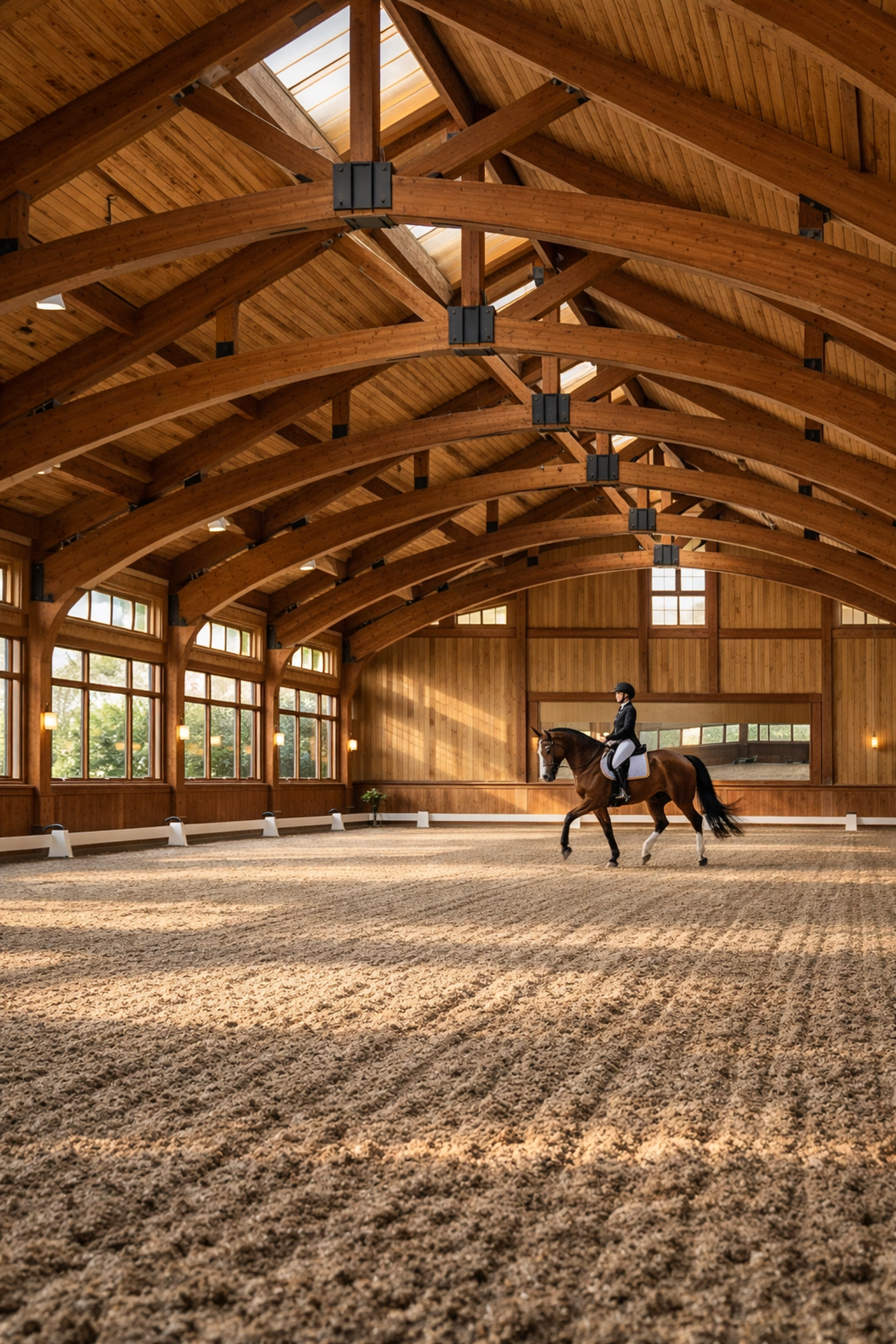
Infrastructure and Farm Design Content (Posts 11-19)
11. Must-Have Feature: Why an Indoor Riding Arena Changes Everything
Break down the investment (typically $150,000-$500,000), maintenance requirements, and how an indoor arena affects property value and marketability. Include discussion of North Carolina's heat, humidity, and summer afternoon thunderstorms.
12. Barn Layouts 101: Designing for Efficiency and Horse Safety
Cover aisle barn versus stall barn configurations, the European-style barn trend in Charlotte, optimal stall sizing for various disciplines, and workflow considerations for feed rooms and tack areas.
13. Pasture Management: Keeping Your North Carolina Soil Healthy
Address the Charlotte area's clay soil challenges, appropriate grass species (fescue versus Bermuda debates), rotational grazing systems, and when to call an agricultural extension agent.
14. The Essentials of High-End Stable Design in Charlotte
Luxury buyers expect heated viewing lounges, radiant floor heating in tack rooms, automated stall cleaning systems, and architectural continuity with the main residence. Detail these upgrades and their ROI.
15. Fencing Options for NC Horse Farms: Safety Meets Style
Compare board fencing, flex fencing, electric options, and the aesthetic expectations for luxury properties. Discuss maintenance requirements in North Carolina's climate and typical costs per linear foot.
16. Manure Management: Best Practices for Small and Large Farms
An unglamorous but essential topic. Cover composting systems, pickup services in various counties, spreading regulations, and how to handle this during property showings.
17. Drainage Solutions for Your Equestrian Property
Charlotte's clay soil and afternoon thunderstorms create drainage challenges. Discuss French drains, retention ponds, proper arena base construction, and working with civil engineers.
18. Tack Room Goals: Organizing Your Equestrian Gear
From heated blanket racks to saddle room design, buyers love this content. Include Pinterest-worthy organization systems and how proper tack rooms add value.
19. Preparing Your Hay Storage for the North Carolina Seasons
Cover barn storage versus separate hay barns, managing humidity and mold, and calculating storage needs based on herd size and seasonal availability.
Lifestyle and Community Content (Posts 20)
20. The Best Public Riding Trails Near Charlotte, NC
Map out Latta Plantation Nature Preserve, Anne Springs Close Greenway, Ribbon Walk Nature Preserve, and the Yadkin River Greenway. Include trailer parking, seasonal closures, and trail etiquette.
Buyer and Seller Education Content (Posts 21-30)
21. First-Time Horse Farm Buyer? Here's Where to Start
Walk through the unique considerations: well water versus municipal, septic sizing for barns, insurance requirements, and the emotional versus practical decision-making process.
22. Navigating Zoning Regulations for Horses in Mecklenburg County
Mecklenburg is increasingly restrictive. Detail minimum lot sizes, conditional use permits, and how recent zoning changes affect equestrian property owners.
23. Union County Zoning: What Equestrian Buyers Need to Know
Union County remains more horse-friendly, but regulations vary by township. Cover agricultural exemptions, commercial boarding regulations, and future comprehensive plan changes.
24. Staging Your Horse Farm: How to Sell Faster and for More
Address both the residence and the barn. Buyers want to visualize their horses in stalls, not your accumulated equipment. Discuss professional farm photography and drone footage.
25. 5 Things to Look for During a Horse Property Home Inspection
Beyond standard home inspection items, cover barn electrical systems, well water testing, fence line evaluation, pasture condition assessment, and arena base inspection.
26. Financing Your Dream: Specialized Loans for Equestrian Estates
Few conventional lenders understand equestrian properties. Discuss portfolio lenders, USDA loans, agricultural loans, and how barns and arenas affect appraisals.
27. The 2026 Charlotte Equestrian Market: Trends to Watch
Provide data-driven analysis of inventory levels, median prices by area, days on market, and how development pressure affects availability. Position yourself as the market authority.
28. Tax Benefits of Owning a Working Horse Farm in NC
Cover Present Use Value taxation, agricultural exemptions, business versus hobby classification, and when to consult a CPA familiar with equestrian operations.
29. From Pro to Retirement: Finding the Right Training Facility
Different life stages require different properties. Discuss turnkey training facilities versus retirement-friendly farms with minimal infrastructure.
30. Why Soil Testing is a Must Before Buying Land in Charlotte
Before you build that dream barn, test the soil. Cover perc tests for septic, soil composition for arena construction, agricultural suitability testing, and environmental assessments.
Implementing Your Content Strategy
These 30 posts form the foundation of a comprehensive SEO strategy that positions you as the Charlotte area's equestrian real estate authority. Publish consistently: two posts monthly creates a year-long content calendar while allowing time for thorough research and quality writing.
Each post should include location-specific details, current market data, and authentic equestrian perspective. Add internal links to your property listings where relevant, but prioritize education over promotion.
The horse community in Charlotte is close-knit. When your content demonstrates genuine understanding of their priorities: proper footing before fancy fixtures, land quality over house size: you'll become the trusted resource they call when they're ready to buy or sell.
If you're ready to elevate your equestrian property's online visibility or want to discuss marketing your farm, let's talk. We understand this market because we live it.

