

The Charlotte Metro equestrian market isn't just growing: it's evolving. If you're searching for horse farms for sale in the region, you need hyper-local knowledge that goes beyond generic real estate advice. We've compiled 30 essential topics every serious horse property buyer and seller should understand before making their next move.
Location Intelligence: Where the Best Charlotte Horse Properties Are Found
Waxhaw, NC remains the gold standard for equestrian properties in the Charlotte Metro area. With generous zoning, established horse communities, and proximity to the Cooks' Saddlery, it's where serious horsemen naturally gravitate. Properties here range from turnkey training facilities to undeveloped acreage waiting for your vision.
Weddington offers something different: luxury estate living with equestrian amenities. Think custom barns on manicured acreage, close to excellent schools and shopping. It's where high-net-worth families want both horses and convenience.
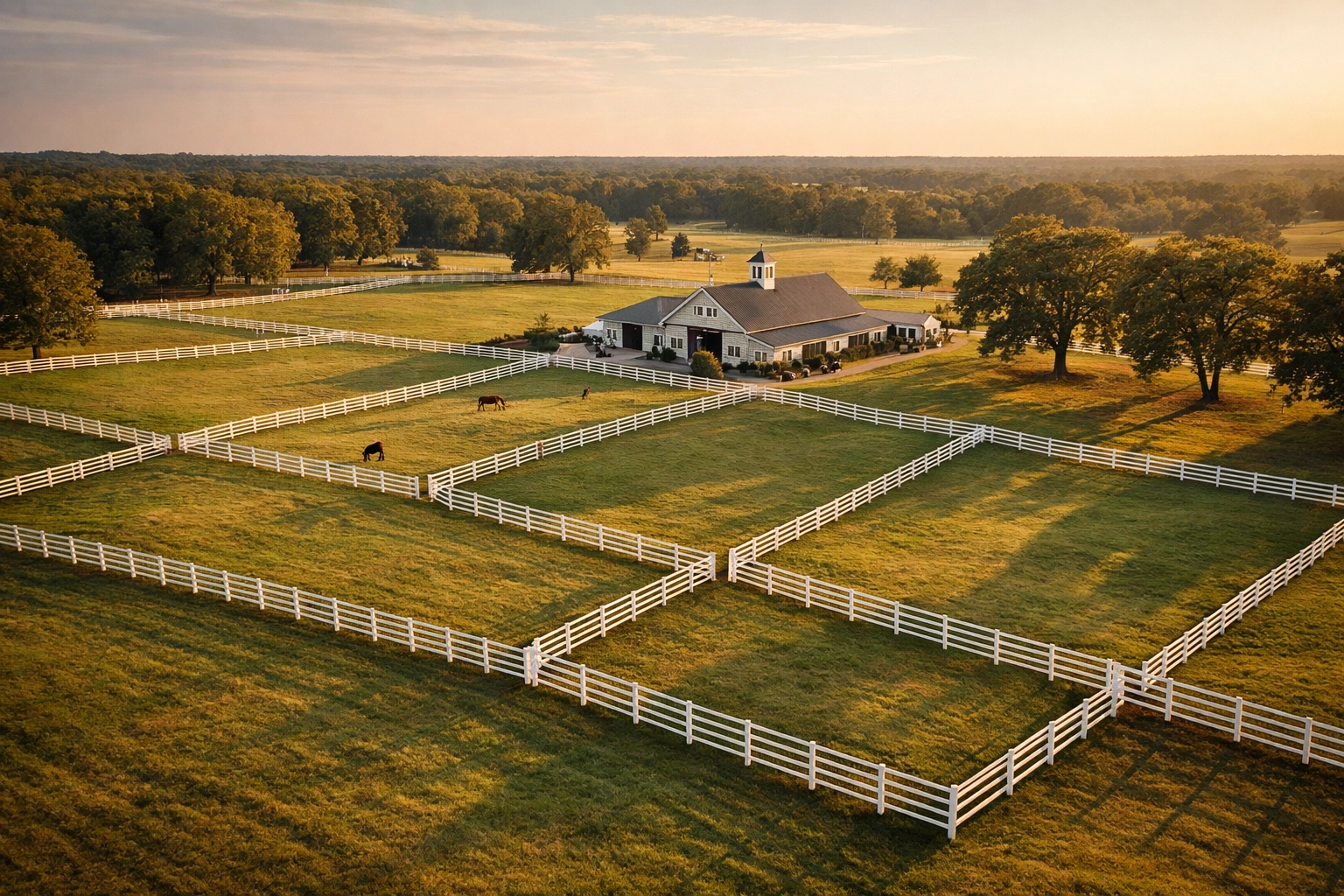
Marvin delivers understated elegance. These properties typically feature mature landscaping, privacy, and architectural detail that appeals to buyers who view their farm as a retreat, not just a facility.
York County, SC provides extraordinary value across the state line. Lower property taxes, more lenient zoning, and expansive acreage options make it increasingly attractive for professional trainers and breeders.
Mooresville attracts buyers seeking lake access alongside equestrian amenities. It's a unique combination you won't find elsewhere in the region.
Tryon maintains its reputation as North Carolina's premier horse destination. The international competition venue ensures property values here remain stable, even as other markets fluctuate.
Huntersville solves the "close to the city" challenge. You can keep horses and still commute to Uptown Charlotte in under 30 minutes: a rare combination in today's market.
Davidson holds hidden gems: older horse properties on established lots, often overlooked because they're not actively marketed to the equestrian community.
Harrisburg is emerging fast. Young equestrian families are discovering the space and value here, creating a vibrant new horse community.
Monroe delivers what privacy-focused buyers want: large acreage parcels where your nearest neighbor might be a quarter-mile away.
Infrastructure That Matters: The Features That Define Quality Horse Properties
An indoor riding arena fundamentally changes how you experience horse ownership in North Carolina. It's not a luxury when summer storms and winter mud make outdoor work impossible six months a year.
Barn layout determines your daily efficiency and your horses' safety. The best designs minimize steps while maximizing ventilation, natural light, and ease of maintenance. Poor layouts can't be fixed without major reconstruction.
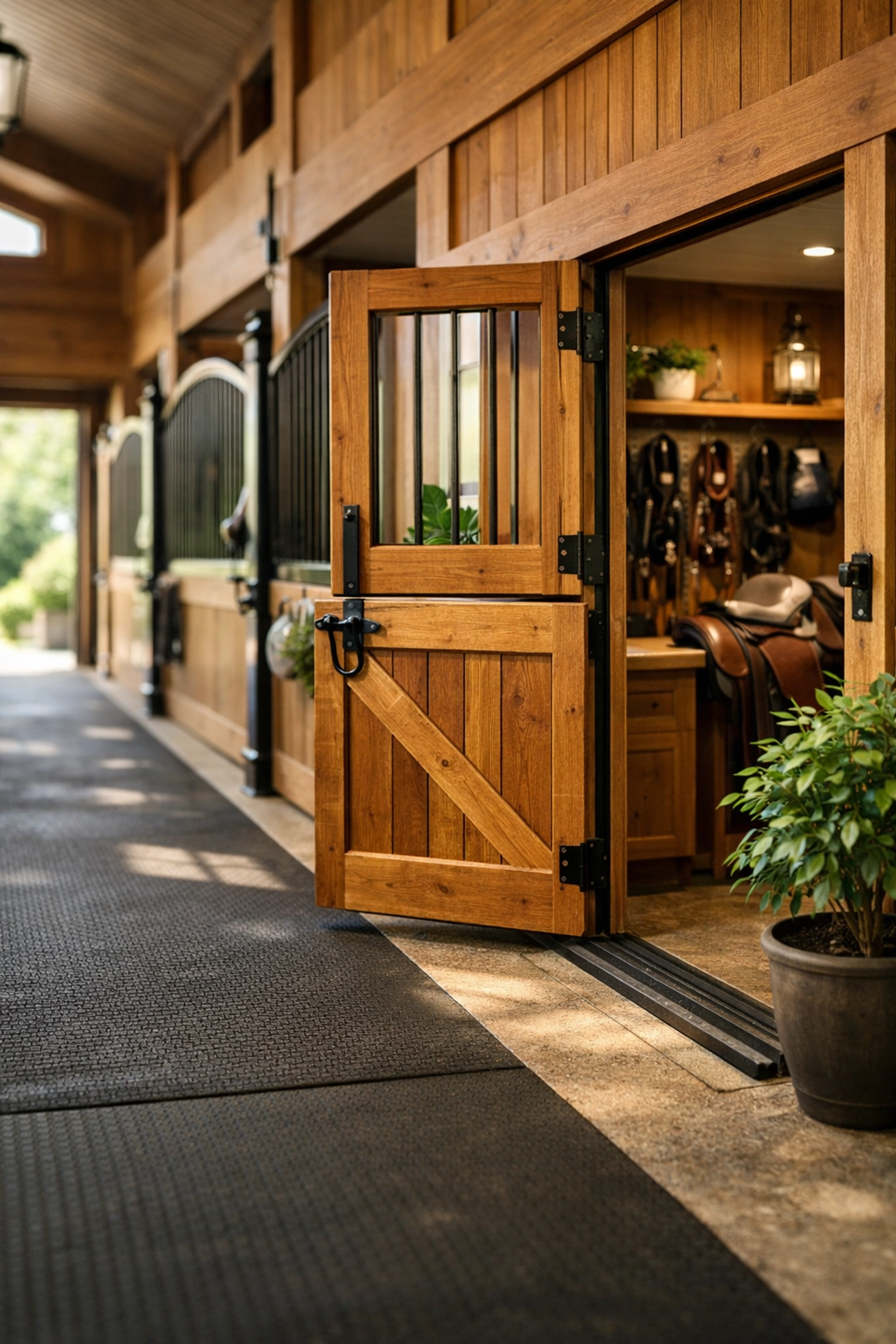
Pasture management in North Carolina requires understanding our red clay soil, fescue toxicity concerns, and how to rotate grazing to prevent parasites. The properties that hold their value have owners who treat land health seriously.
Stable design at the high end incorporates heated wash racks, rubber-matted stalls with proper drainage, and tack rooms that function as organized, climate-controlled spaces: not afterthoughts.
Fencing represents one of your largest investments. Choose wrong and you'll replace it in five years. Board fencing looks beautiful but requires maintenance. No-climb wire offers safety and longevity. Electric works for specific applications but isn't universal.
Manure management isn't glamorous, but it's required. Proper composting systems and spreader access separate well-run farms from properties that eventually face environmental complaints.
Drainage solutions prevent your farm from becoming a mud pit. French drains, proper grading, and strategic use of geotextile fabrics under high-traffic areas are essential in our climate.
Tack room organization reflects how seriously a property has been managed. Custom saddle racks, climate control for leather goods, and secure storage aren't extras: they're standard in quality facilities.
Hay storage must protect your winter feed from moisture and rodents. Barns designed without proper hay lofts or separate storage buildings create daily headaches.
The Lifestyle Advantage: Why Charlotte's Equestrian Community Stands Apart
The public riding trails around Charlotte remain surprisingly accessible. The Carolina Thread Trail system, Anne Springs Close Greenway, and other regional resources mean you're not limited to arena work.
Our region supports every discipline. From hunter/jumper trainers in Waxhaw to cutting horse specialists in York County, the training facility diversity attracts professionals nationwide.
Buyer & Seller Essentials: The Knowledge That Protects Your Investment
First-time horse farm buyers consistently underestimate operating costs and overestimate how much acreage they'll actually use. Start smaller than you think you need.
Zoning regulations in Mecklenburg County continue tightening. Understanding what's grandfathered versus what requires special permits determines what you can legally do with your property.
Union County zoning offers considerably more flexibility. The agricultural classifications here provide tax benefits and use rights that Mecklenburg properties can't match.
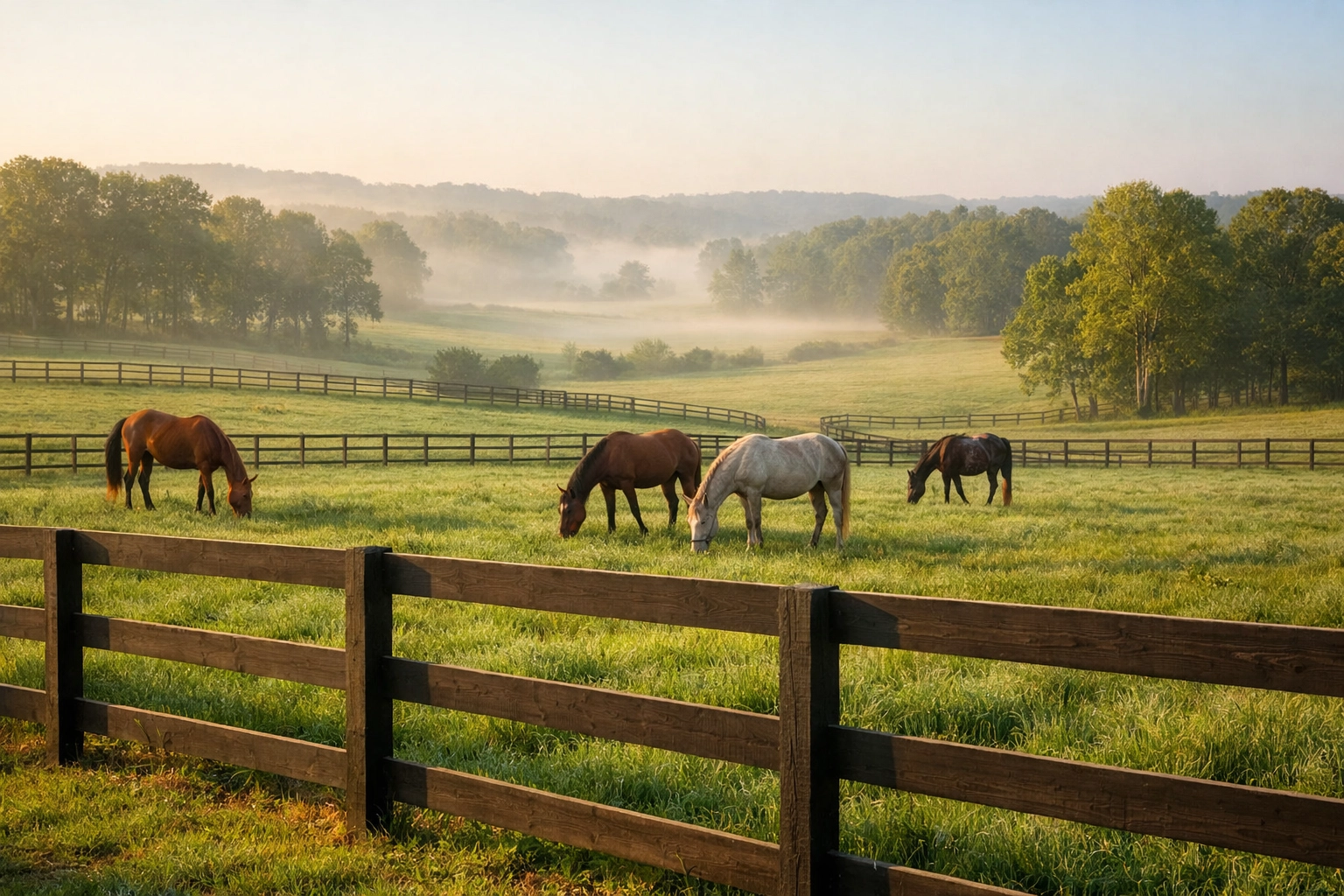
Staging your horse farm requires different thinking than residential real estate. Buyers want to see a functional, safe facility: not a staged living room. Clean pastures, organized barns, and maintained fencing sell properties.
Horse property home inspections must include barn structures, fencing integrity, water systems to multiple pastures, and septic capacity for both residence and barn facilities. Standard home inspectors miss critical issues.
Financing equestrian estates often requires specialized agricultural lending. Properties over 10 acres with significant barn infrastructure don't always qualify for conventional mortgages.
Market Intelligence: What's Happening Right Now
The 2026 Charlotte equestrian market shows continued demand for turnkey facilities with indoor arenas. Buyers increasingly want move-in-ready rather than projects, even if it means paying premium prices.
Tax benefits of maintaining agricultural classification provide meaningful savings, but you must meet minimum acreage requirements and demonstrate legitimate agricultural use.
Soil testing before purchase reveals drainage issues, contamination from previous use, and nutrient deficiencies that affect pasture quality. The $500 investment in testing can save you $50,000 in remediation.
Your Next Move
Understanding these 30 topics positions you ahead of 90% of buyers and sellers in the Charlotte equestrian market. Each represents years of learned experience: the kind that comes from living this lifestyle, not just selling properties.
The Charlotte Metro region offers exceptional opportunities for horse property buyers who know what to look for and sellers who understand how to position their farm properly. Whether you're searching for equestrian properties in Waxhaw, considering land in York County, or ready to list your current facility, local expertise matters.
We speak horse first, real estate second. That difference shows in every transaction.
Connect with our team to discuss how these insights apply to your specific situation. The right property: or the right buyer: is out there. Finding them requires someone who understands both the market and the lifestyle.

