

The Charlotte Metro equestrian market deserves content written by people who understand the difference between a run-in shed and a twelve-stall center aisle barn. The difference between someone who reads about horses and someone who's mucked stalls at 6 a.m. before work shows in every paragraph.
This collection of 30 long-tail blog posts represents a comprehensive approach to equestrian property marketing in Charlotte, one that prioritizes land quality, horse welfare, and the realities of farm ownership over generic real estate talking points. Each topic addresses specific search intent from buyers and sellers who think like horse people first.
Location Intelligence: Where the Land Matters
The first ten posts focus on specific markets within the Charlotte Metro area, each with distinct characteristics that matter to equestrians. Waxhaw's established horse community and proximity to the Carolina Horse Park creates different opportunities than Tryon's international competition scene. Weddington offers estate-sized parcels with excellent schools, while York County, SC provides more affordable acreage with similar accessibility.
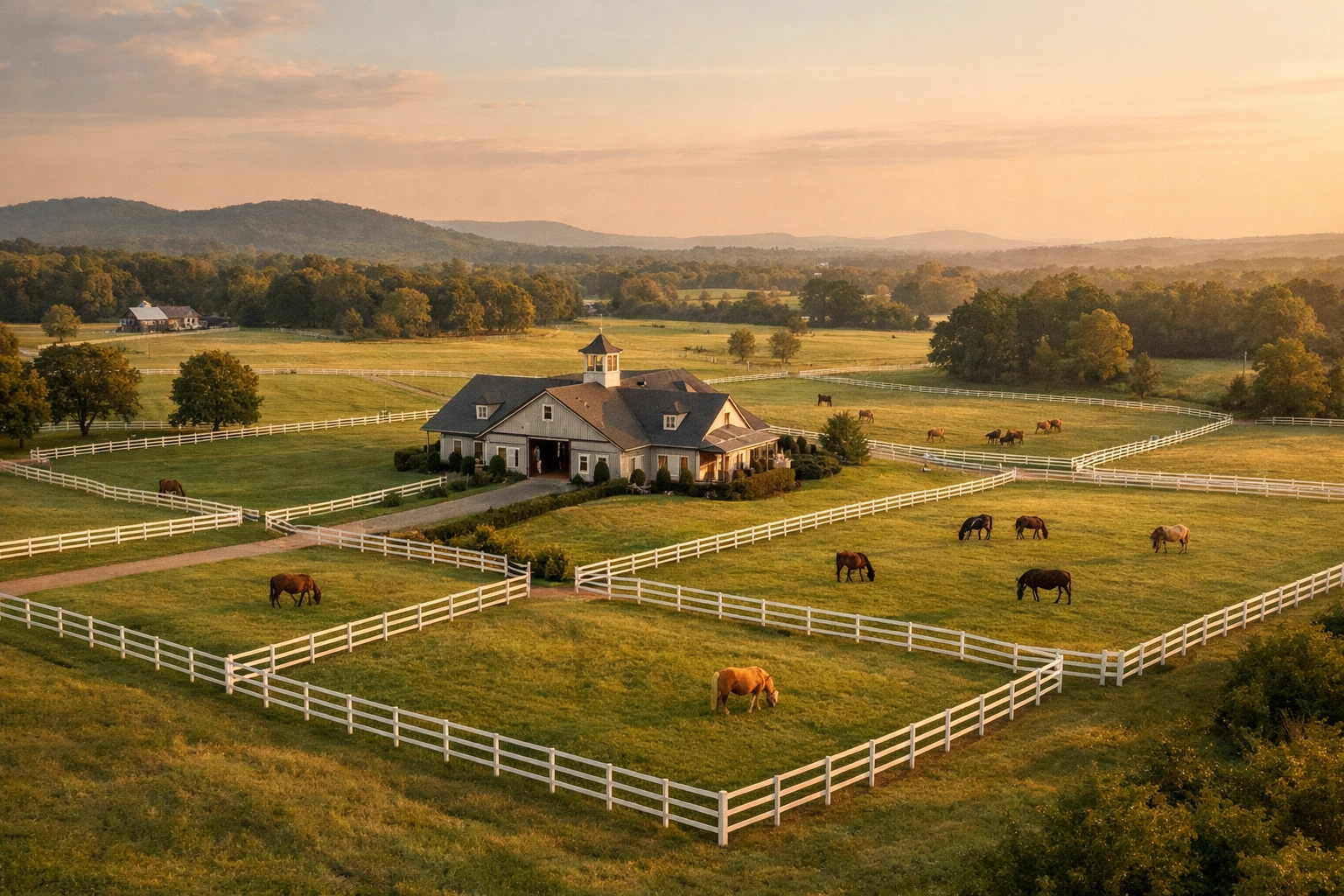
These location-specific guides serve buyers searching for horse properties in precise geographic areas. They also position sellers to understand their market advantages, whether that's Mooresville's Lake Norman access, Davidson's convenient-yet-rural feel, or Monroe's large-acreage privacy. Each location piece emphasizes soil quality, riding community, and distance to equine services before discussing property values.
Huntersville's equestrian real estate balances proximity to Charlotte with genuine farm space. Harrisburg's growth attracts families seeking newer construction with acreage. Marvin represents luxury equestrian estates with high-end finishes. Each market serves different buyer profiles, and understanding these distinctions prevents wasted time touring properties in unsuitable locations.
Infrastructure That Protects Your Investment
Posts eleven through nineteen address the physical elements that separate functional horse properties from land with a barn. Indoor riding arenas extend training seasons and protect footing investments. Barn layouts affect daily efficiency, horse safety, and long-term operational costs. Pasture management determines carrying capacity and veterinary expenses.
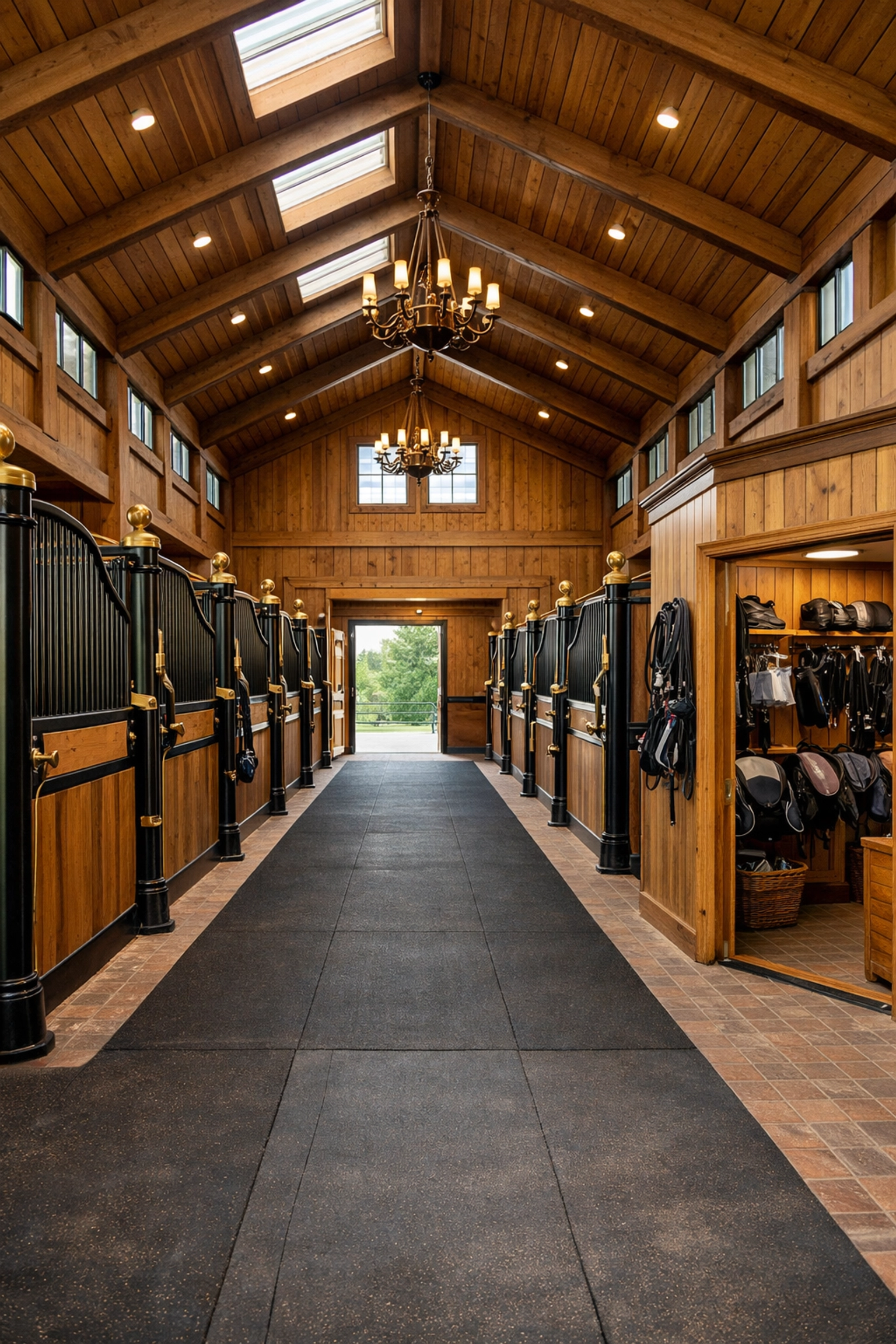
The barn layout post explains center aisle versus shedrow designs, stall sizing for different breeds, and feed room placement that minimizes rodent access. The indoor arena piece discusses footing materials, ventilation requirements, and the financial impact on property values. These topics answer questions buyers ask after they've toured three farms with inadequate drainage and unsafe fencing.
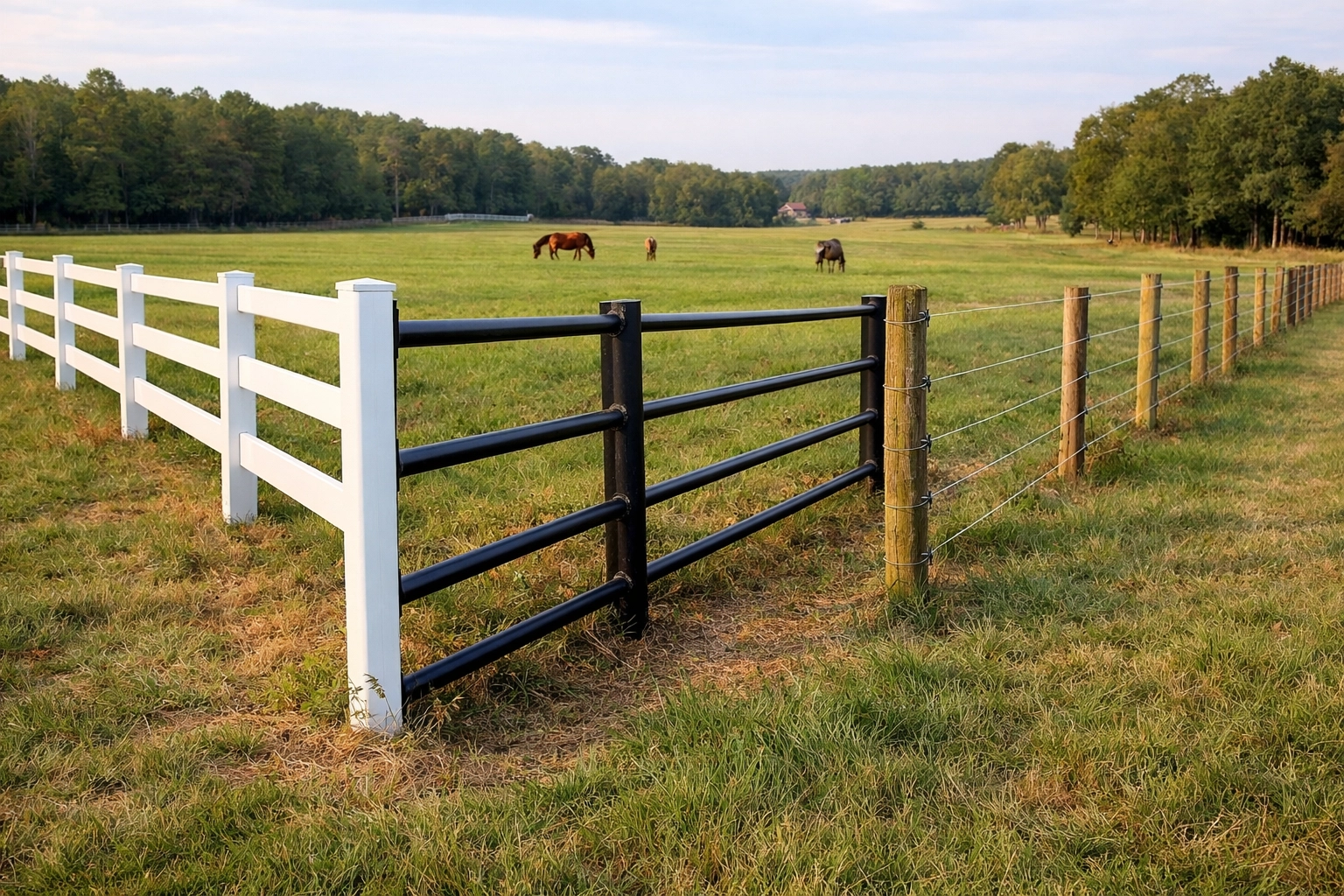
Fencing receives dedicated coverage because choosing between board, pipe, or high-tensile wire affects both safety and maintenance budgets for decades. Manure management may sound unglamorous, but improper handling creates neighbor complaints, environmental violations, and fly problems that diminish property value. Drainage solutions prevent pasture destruction during North Carolina's intense summer storms.
The tack room organization post speaks to the daily reality of equestrian life, finding your mare's fly mask at 7 a.m. shouldn't require excavating three trunks. Hay storage adapted to North Carolina's humidity prevents mold issues that cause colic and respiratory problems. These practical topics establish credibility with serious horse owners evaluating properties.
Community Connection and Lifestyle
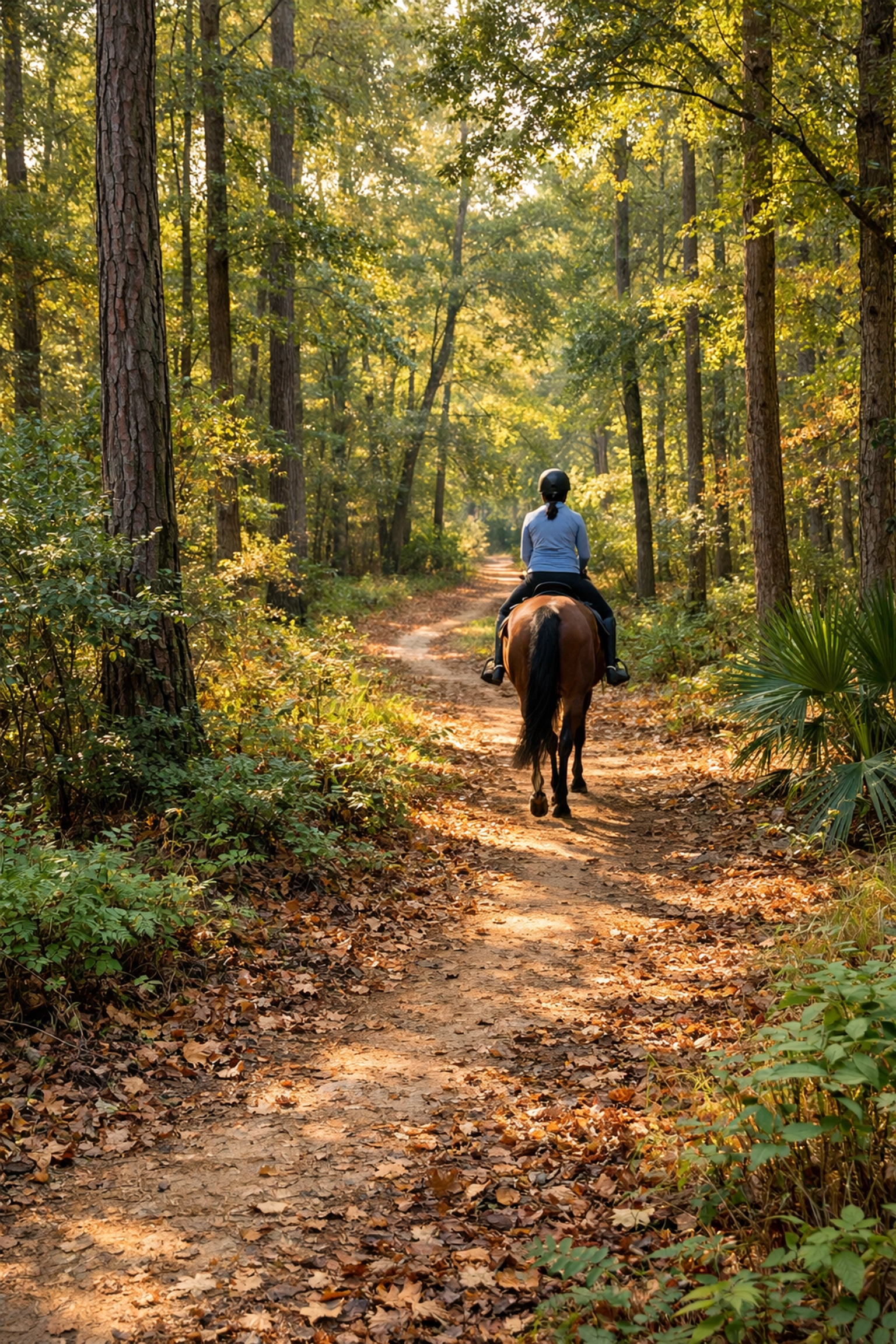
Post twenty highlights public riding trails near Charlotte because horse ownership extends beyond property boundaries. Access to the Carolina Thread Trail, Anne Springs Close Greenway, and other riding areas adds recreational value that increases property desirability. Trail access matters to buyers considering whether they'll feel isolated or connected to the broader equestrian community.
This post also addresses boarding facility proximity for horses in training, veterinary specialists within trailer distance, and show venues that don't require overnight hauls. The lifestyle piece recognizes that horse properties succeed when they connect owners to the community and services that sustain equestrian activities.
Buyer and Seller Education: The Technical Details
The final ten posts provide the specialized knowledge that separates informed buyers and sellers from those learning expensive lessons. First-time horse farm buyers need different guidance than someone selling their third property. Zoning regulations in Mecklenburg versus Union County affect everything from commercial boarding operations to building additional structures.
The zoning posts explain agricultural exemptions, setback requirements, and what "residential with equestrian use" actually permits. They prevent buyers from purchasing properties where their intended use violates local ordinances. These technical pieces demonstrate the specialized knowledge required for equestrian real estate transactions.
Staging a horse farm for sale involves different priorities than suburban homes, safe fencing creates better impressions than granite countertops. The home inspection post identifies septic systems sized for barn water use, well capacity for livestock watering, and structural issues specific to barn buildings. Specialized loan products for equestrian properties include different appraisal requirements and down payment structures than conventional mortgages.
The 2026 Charlotte equestrian market trends post analyzes inventory levels, price-per-acre averages across different locations, and demand patterns from buyers relocating to the area. This data-driven approach appeals to sellers evaluating timing and buyers assessing market conditions.
Tax Strategy and Land Stewardship
Post twenty-eight addresses agricultural tax benefits: Present Use Value taxation in North Carolina provides significant property tax reductions for qualifying farms. Understanding income requirements, acreage minimums, and application processes affects annual carrying costs by thousands of dollars. This technical knowledge demonstrates expertise that general real estate agents lack.
The training facility post serves buyers transitioning from amateur competition to professional operations, or professionals retiring from intense competition schedules. Different life stages require different property configurations, and recognizing these transitions helps buyers select properties that accommodate their evolving needs.
Soil testing before purchase reveals pH levels, nutrient deficiencies, and contamination issues that affect pasture productivity. This final post in the series emphasizes land quality over cosmetic property features: the perspective of someone who understands that healthy soil produces healthy horses.
Strategy Behind the Structure
These thirty posts create comprehensive coverage of Charlotte equestrian real estate through targeted long-tail keywords that capture specific search intent. Someone searching "horse farms for sale in Waxhaw NC" receives different information than someone researching "barn layouts for efficiency," yet both queries indicate serious interest in equestrian property ownership.
The location posts attract buyers in active search mode. The infrastructure pieces educate during the research phase and establish authority. The practical management topics demonstrate ongoing expertise that builds trust with sellers evaluating representation. The technical buyer/seller guides address specific transaction concerns that arise during negotiations.
This content strategy reflects how horse people actually think: starting with location and land quality, considering infrastructure requirements, connecting to community resources, and understanding the technical details that protect investments. Each post serves readers while building search visibility for Carolina Horse Farm Realty across dozens of relevant keyword phrases.
The approach prioritizes education over promotion, recognizing that buyers and sellers making million-dollar farm decisions value expertise demonstrated through useful content. When someone needs specialized representation for equestrian property transactions, they'll remember the source that explained drainage solutions or zoning regulations: not the agent who sent generic market reports.
Explore our current equestrian property listings or contact our team to discuss your specific farm buying or selling goals in the Charlotte Metro area.

