
Dressage Estates in North Carolina: What Makes Them Unique?
james
When serious dressage riders envision their perfect property, they're not just thinking about pretty pastures and a basic barn. They're imagining precision-built arenas with perfect footing, climate-controlled facilities for year-round training, and the kind of thoughtful design that supports the demanding technical requirements of classical horsemanship.
North Carolina has emerged as a premier destination for dressage-focused equestrian estates, offering a unique combination of favorable climate, diverse geography, and sophisticated horse communities that understand what serious dressage work requires.
The Geography Advantage: Why North Carolina Works for Dressage
North Carolina's varied topography creates microclimates perfect for year-round riding. From the rolling foothills of the Piedmont to the coastal plains, dressage riders can find properties with the specific conditions their training demands.
The western regions around Tryon and Aiken provide cooler summer temperatures ideal for intensive training sessions, while the Sandhills region offers excellent drainage and sandy soils that create naturally superior arena footing. This geographic diversity means dressage-focused estates can be designed around specific training goals and seasonal programs.
Essential Infrastructure: What Sets Dressage Properties Apart
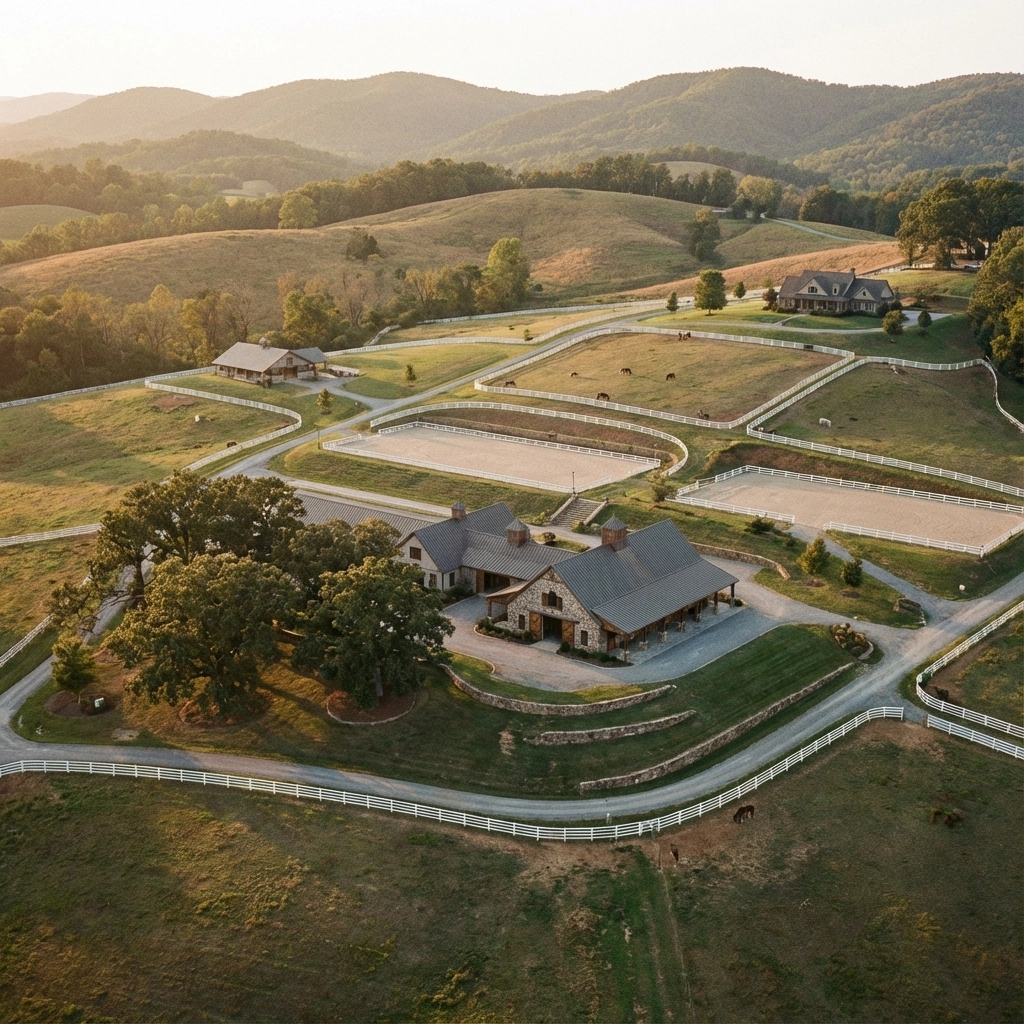
True dressage estates go far beyond a rectangular arena. These properties feature multiple riding surfaces designed for different training phases. A serious dressage facility typically includes:
Primary Dressage Court: A regulation 20×60 meter arena with premium footing materials like imported sand mixtures, rubber additives, or specialized synthetic surfaces. Proper drainage and consistent maintenance are non-negotiable.
Secondary Training Ring: Often smaller, this space allows for schooling work, longe line training, and preliminary exercises without disrupting lesson or training schedules in the main arena.
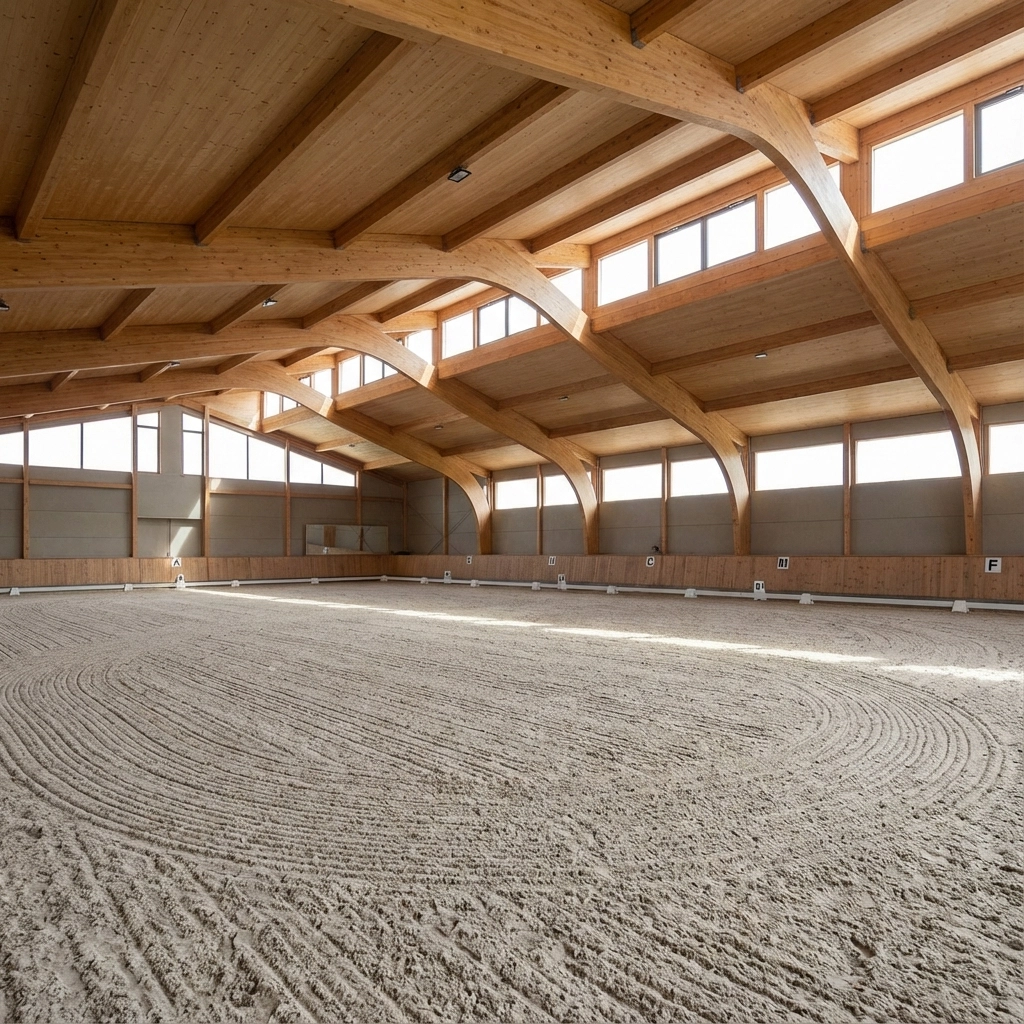
Climate-Controlled Indoor Facility: North Carolina's weather patterns make covered arenas essential for consistent training. The best dressage properties include spacious indoor arenas with excellent ventilation, proper lighting, and acoustics that won't spook sensitive horses.
Specialized Barn Design: Dressage horses often require different housing than other disciplines. Wide aisleways accommodate the flowing movements of collection and extension during barn-aisle training sessions. Tack rooms need climate control to preserve expensive leather and equipment.
The Community Factor: Proximity to Dressage Excellence
What truly distinguishes North Carolina's dressage estates is their proximity to established equestrian communities. Properties near Tryon benefit from the area's concentration of top-tier trainers and regular competitions. The region hosts recognized shows throughout the year, meaning residents can compete without extensive traveling.
Communities like those found in the Foothills and around Charlotte offer access to clinics with international-level instructors. This educational infrastructure adds significant value to dressage properties: it's not just about what you build, but about who you can access for continued learning and improvement.
Footing Science: The Foundation of Dressage Training
Serious dressage riders understand that arena footing can make or break a horse's development. North Carolina's climate presents both opportunities and challenges for maintaining optimal surfaces.
The state's clay-based soils provide excellent stability when properly prepared, while the availability of quality sand from coastal regions offers superior drainage options. Many high-end dressage estates invest in imported footing materials like German sand or specialized fiber additives that maintain consistency through varying weather conditions.
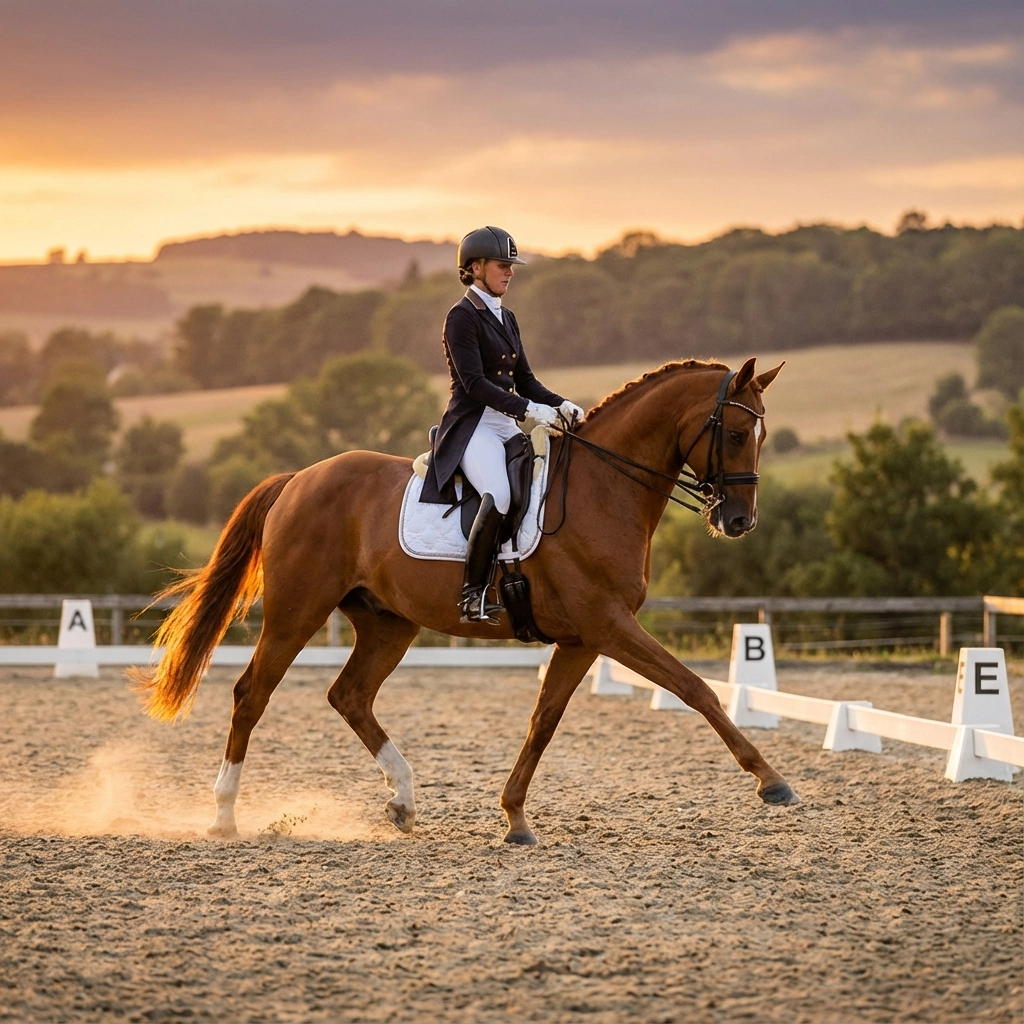
Proper footing requires understanding the biomechanics of dressage movements. The extended trot demands more cushioning than collected work, while piaffe and passage need firm, stable surfaces that won't shift under the horse's weight. Estates designed specifically for dressage often include multiple arena surfaces to accommodate these varying requirements.
Technology Integration in Modern Dressage Facilities
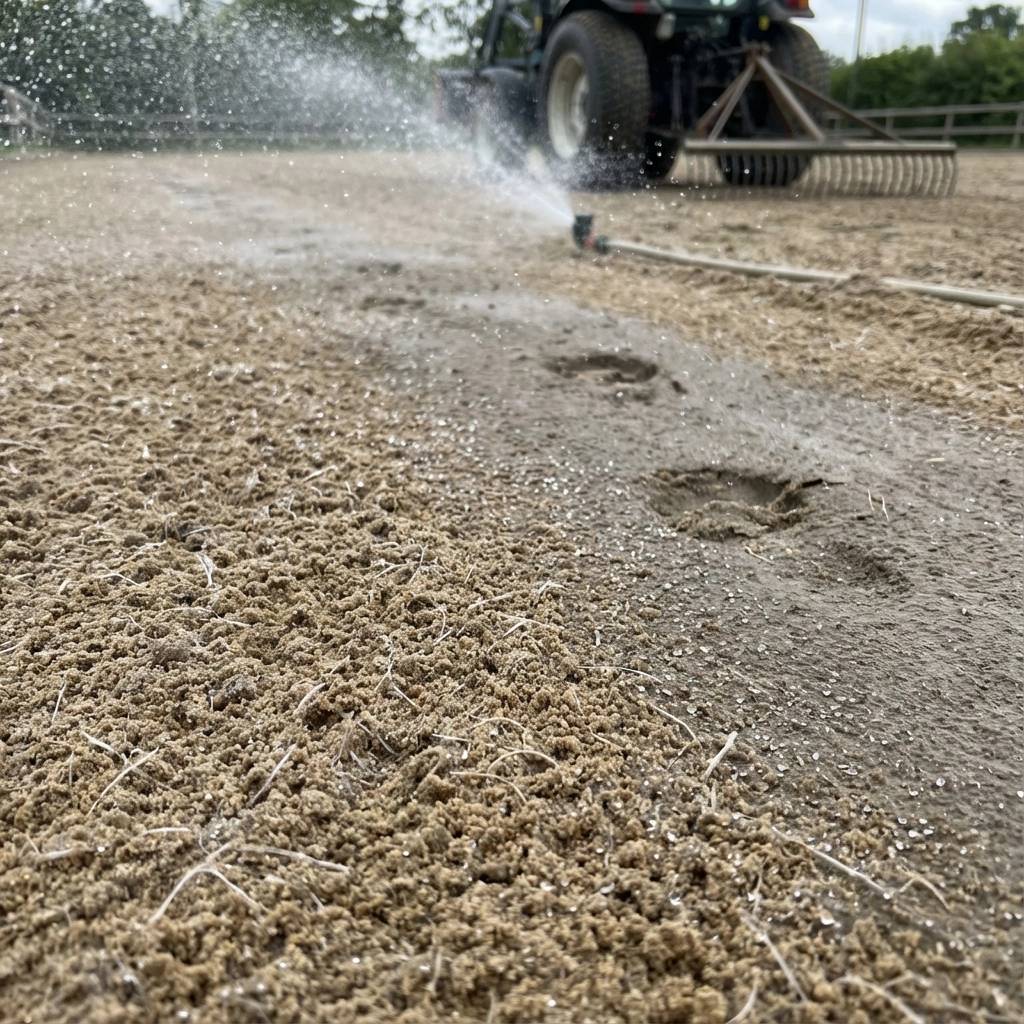
Today's dressage estates incorporate technology that would have been unimaginable just a decade ago. Video analysis systems allow riders to review their work immediately, while automated watering systems maintain arena footing at optimal moisture levels regardless of weather conditions.
Some properties feature mirrors strategically placed around training areas, though these require careful consideration of placement to avoid spooking horses while providing useful feedback for riders. Advanced lighting systems extend training hours during North Carolina's shorter winter days, with some estates installing full-spectrum LED systems that minimize shadows and provide consistent illumination.
Land Management for Dressage Excellence
Dressage horses require different turnout management than many other disciplines. These athletes need controlled exercise periods and carefully managed nutrition, which influences how estates design their paddock and pasture systems.
Many dressage-focused properties feature smaller paddocks closer to the barn for controlled turnout, along with larger fields for free movement when appropriate. Pasture rotation becomes critical for maintaining the body condition and mental health of horses in intensive training programs.
Water management takes on special importance in dressage estates. Consistent arena watering, drainage around high-traffic areas, and backup systems for dry periods all factor into property design. North Carolina's periodic drought conditions make water rights and well capacity significant considerations.
The Investment Perspective: Value Drivers in Dressage Properties
From a real estate perspective, dressage estates command premium pricing for specific reasons. The specialized infrastructure can't be easily retrofitted: proper arena construction, drainage systems, and barn design require significant upfront investment.
However, these properties also maintain value better than generic equestrian facilities. The dressage community represents serious, committed horse owners who understand and appreciate quality infrastructure. When properly designed and maintained, dressage estates attract buyers who recognize the investment in specialized features.
Location within established equestrian communities amplifies this value retention. Properties near recognized training centers or within developments known for dressage excellence benefit from community reputation and shared amenities.
Seasonal Considerations: Year-Round Training Capability
North Carolina's four-season climate requires dressage facilities to address varying conditions. Summer heat management becomes crucial: covered arenas, adequate ventilation, and scheduling flexibility allow training to continue through hot months.
Winter weather, while generally mild, can create challenging conditions for outdoor work. Properties with covered arenas and properly heated tack rooms maintain training schedules regardless of weather. Some estates include heated wash racks and climate-controlled grooming areas that support the detailed care dressage horses require.
The Future of Dressage Estates in North Carolina
As the discipline continues growing in popularity, demand for purpose-built dressage facilities increases. North Carolina's combination of favorable climate, established equestrian communities, and available land makes it an attractive destination for riders relocating from more expensive markets.
Emerging trends include sustainable facility design, with solar power systems and rainwater collection becoming more common. Smart barn technology, automated feeding systems, and enhanced security features represent the next evolution in dressage estate design.
The integration of rehabilitation and wellness facilities: including swimming pools for horses, cold therapy systems, and specialized veterinary areas: reflects the growing understanding of what elite dressage horses need for long, successful careers.
Making the Right Choice for Your Dressage Goals
Whether you're searching for an established dressage estate or considering developing one from raw land, understanding these unique requirements guides better decisions. The investment in proper infrastructure pays dividends in training quality, horse welfare, and long-term property value.
North Carolina's dressage estate market offers opportunities for serious riders to create or acquire facilities that support their highest aspirations in this demanding and beautiful discipline.
Ready to explore dressage-focused equestrian properties in North Carolina? Let's discuss how to find or create the estate that matches your training goals and investment objectives. Visit Carolina Horse Farm Realty to begin your search for the perfect dressage property.
Related Articles

The Ultimate Guide to Horse Farms for Sale in Waxhaw, NC: Everything You Need to Succeed

Luxury Equestrian Properties in Marvin, NC: The Ultimate Guide to High-End Horse Farm Living

Hidden Gems: 7 Reasons Horse Farms for Sale in Davidson, NC Are Worth a Second Look
Ready to Find Your Dream Horse Property?
Let our team of equestrian real estate experts help you find the perfect property in the Charlotte Metro area.