

Waxhaw represents one of Union County's most compelling markets for equestrian property buyers who understand that location, land quality, and community infrastructure determine long-term success more than any single amenity.
The town sits at a geographic sweet spot: close enough to Charlotte for professional commutes, far enough out for genuine acreage and agricultural zoning that protects your investment. This balance matters when you're planning for horses that will be here for decades, not just the next show season.
The Waxhaw Equestrian Market in 2026
Current inventory tells a story about sustained demand and realistic pricing. The market currently offers 45 horse properties across multiple listing platforms, with price points ranging from $295,000 to $1.5 million. The average listing price sits at $539,000, with land costs averaging $50,005 per acre: a figure that reflects the premium buyers place on Union County's combination of soil quality, zoning flexibility, and established equestrian infrastructure.
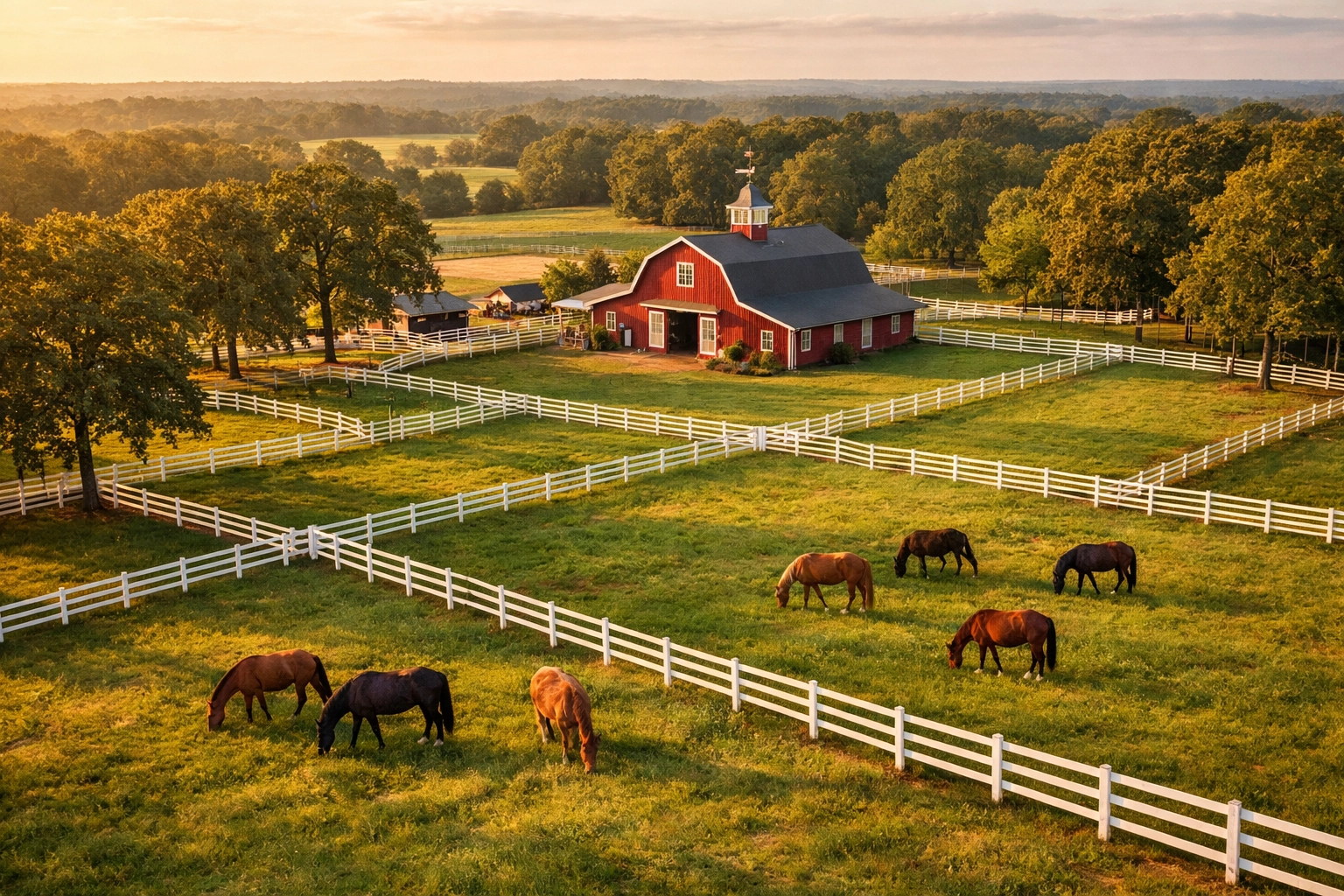
Properties in established equestrian communities like Valley Farms command a median listing price of $620,000, reflecting the value of built-in amenities and like-minded neighbors who understand that horses require space, patience, and occasionally, fence repairs at inconvenient hours.
The range of available properties accommodates different equestrian business models and personal goals. First-time buyers building modest breeding operations find starter farms on 5-10 acres. Professionals relocating training barns look at 20+ acre facilities with existing client bases. Retirees downsizing from larger operations seek turnkey properties where infrastructure already works and pastures rotate on proven schedules.
What Actually Matters When Evaluating Waxhaw Properties
Land quality supersedes barn aesthetics in any long-term equestrian investment. Waxhaw's soil composition: predominantly clay-based with moderate drainage: requires specific pasture management strategies that differ from the sandier coastal plains or mountain properties. Properties with established drainage systems, rotational grazing patterns, and soil amendments already in place reduce your first-year workload considerably.
Water access determines carrying capacity more than acreage alone. Properties with multiple water sources: whether municipal connections, wells with proven GPM rates, or maintained ponds: provide operational flexibility that becomes critical during summer droughts or winter freezes when automatic waterers fail.
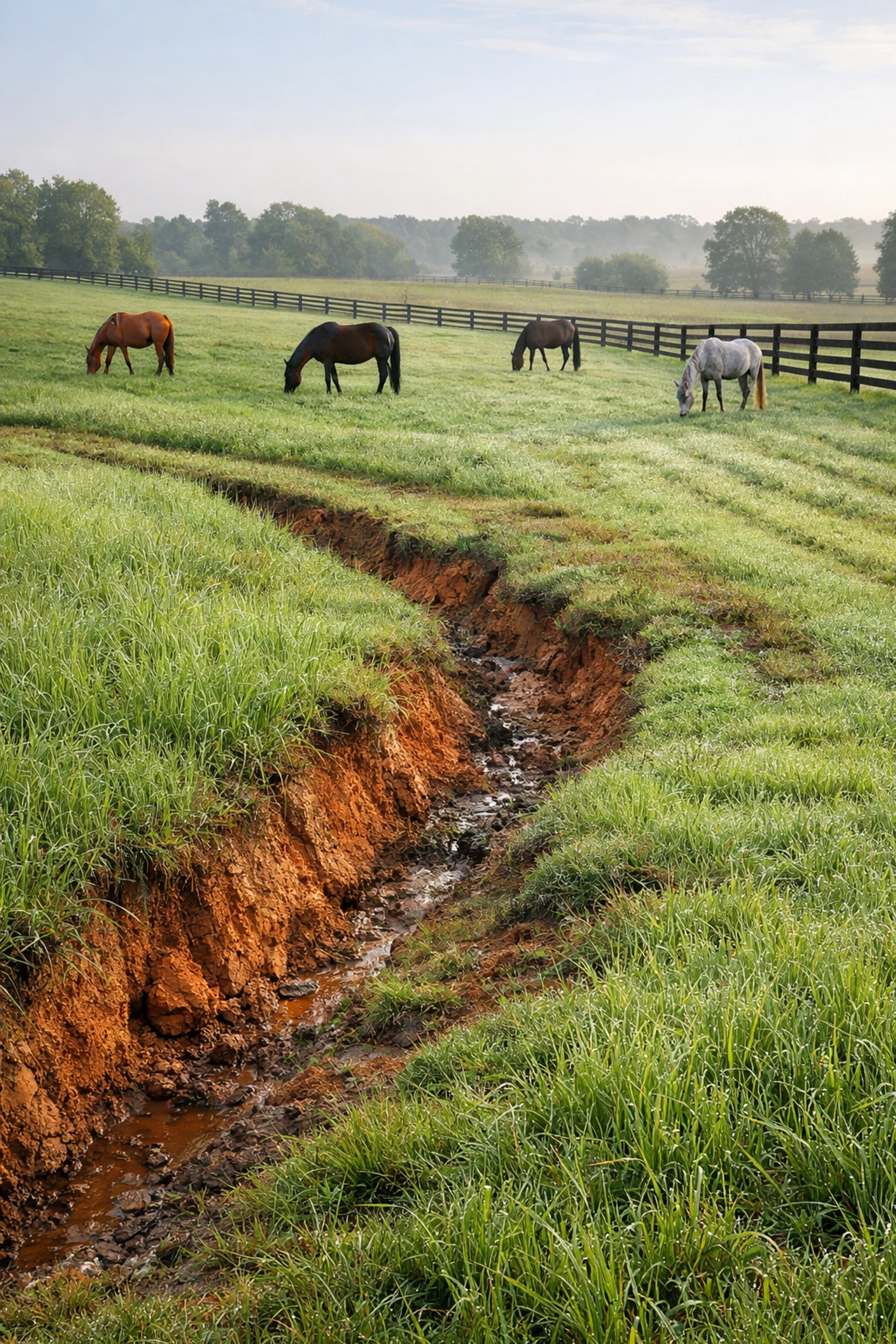
Fencing condition and type reveal previous owners' commitment and knowledge. Well-maintained board fencing, vinyl rail, or properly tensioned wire indicate owners who understood horses. Patched fence lines, mixed materials, and creative repairs suggest deferred maintenance that extends beyond what's visible from the road.
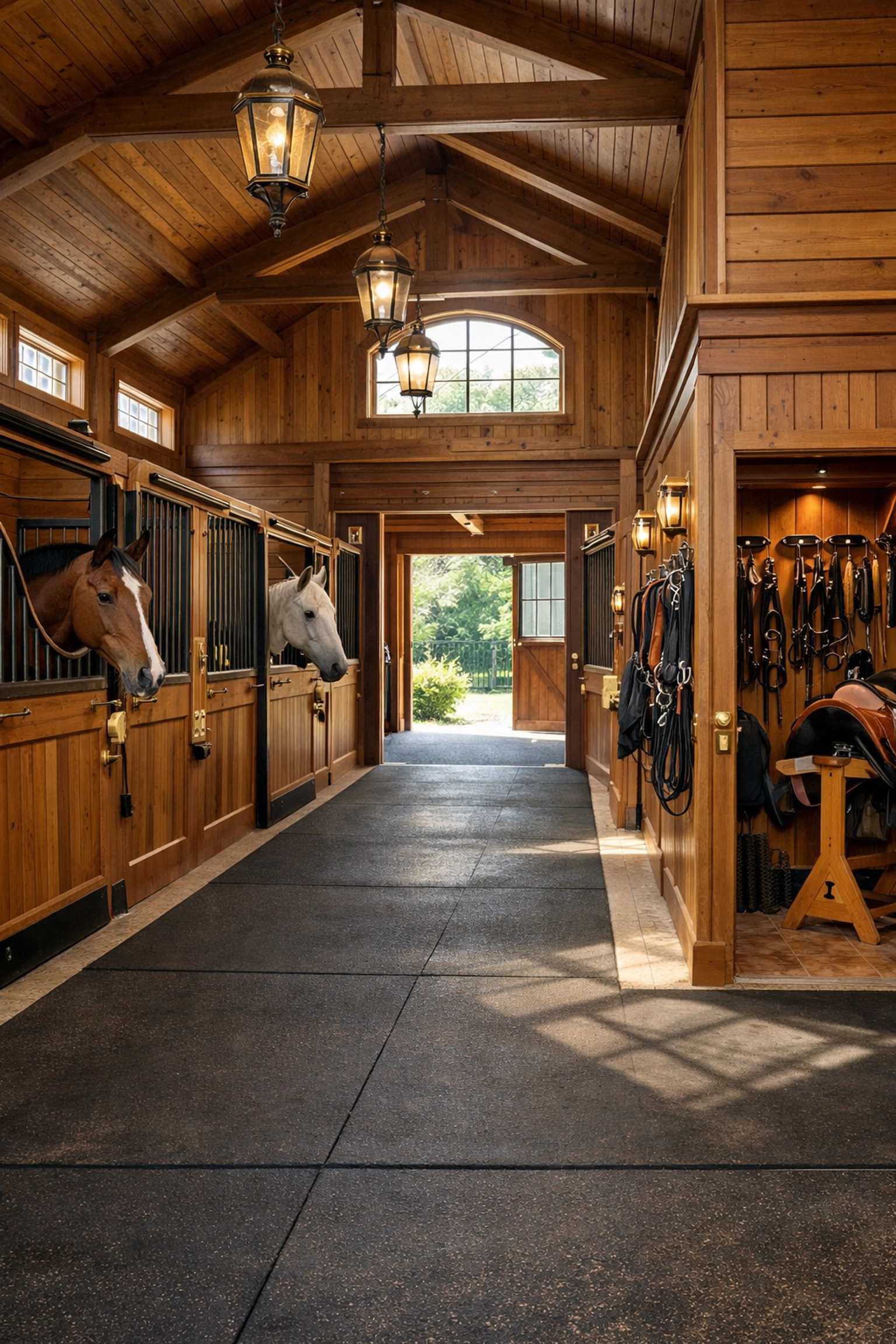
Barn layouts expose practical experience. Efficient facilities minimize labor while maximizing safety: wide aisles, proper ventilation, strategic tack room placement, and logical feed storage that doesn't require daily gymnastics. The difference between a 10-minute feeding routine and a 45-minute ordeal compounds over years.
Neighborhoods That Support Equestrian Operations
Valley Farms establishes Waxhaw's model for purpose-built equestrian communities where covenants protect horse-keeping rights while maintaining property values. These communities balance individual property autonomy with shared understanding about early morning training schedules, trailer traffic, and the organic realities of horse keeping.
Properties along Providence Road South and Potter Road offer larger acreage options outside formal communities: ideal for operations requiring privacy, minimal restrictions, or expansion potential. These areas provide agricultural zoning classifications that support breeding operations, training facilities, or small boarding businesses without navigating HOA approval processes.
The eastern sections toward Lancaster benefit from older farm infrastructure: established tree lines for shade, mature fencing, and barns built when lumber quality exceeded current construction standards. Properties here often need updating but provide solid bones for renovation rather than complete rebuilds.
Union County Zoning Advantages for Horse Operations
Union County's agricultural zoning classifications permit equestrian activities with fewer restrictions than Mecklenburg County's increasingly urbanized ordinances. The minimum acreage requirements for horses: typically 2 acres for the first horse, 1 additional acre per additional horse: remain reasonable and enforceable without the political pressure that affects counties closer to Charlotte's core.
The county maintains clear definitions distinguishing private horse keeping from commercial boarding operations, providing legal clarity for owners planning to generate income from their property. This distinction matters for insurance, liability, and long-term property classification that affects tax assessments.
Manure management and environmental regulations align with practical farm operations rather than residential development standards. The county recognizes that properly managed equestrian properties provide environmental benefits: maintained open space, water table recharge, and wildlife corridors: that justify agricultural classifications and associated tax treatments.
Infrastructure That Separates Good Properties from Great Investments
Electric service capacity determines whether you can install arena lighting, heated waterers, or run multiple wash racks simultaneously. Properties with 200-amp or higher service panels provide operational flexibility. Older farms with 100-amp service face expensive upgrades before supporting modern facility requirements.
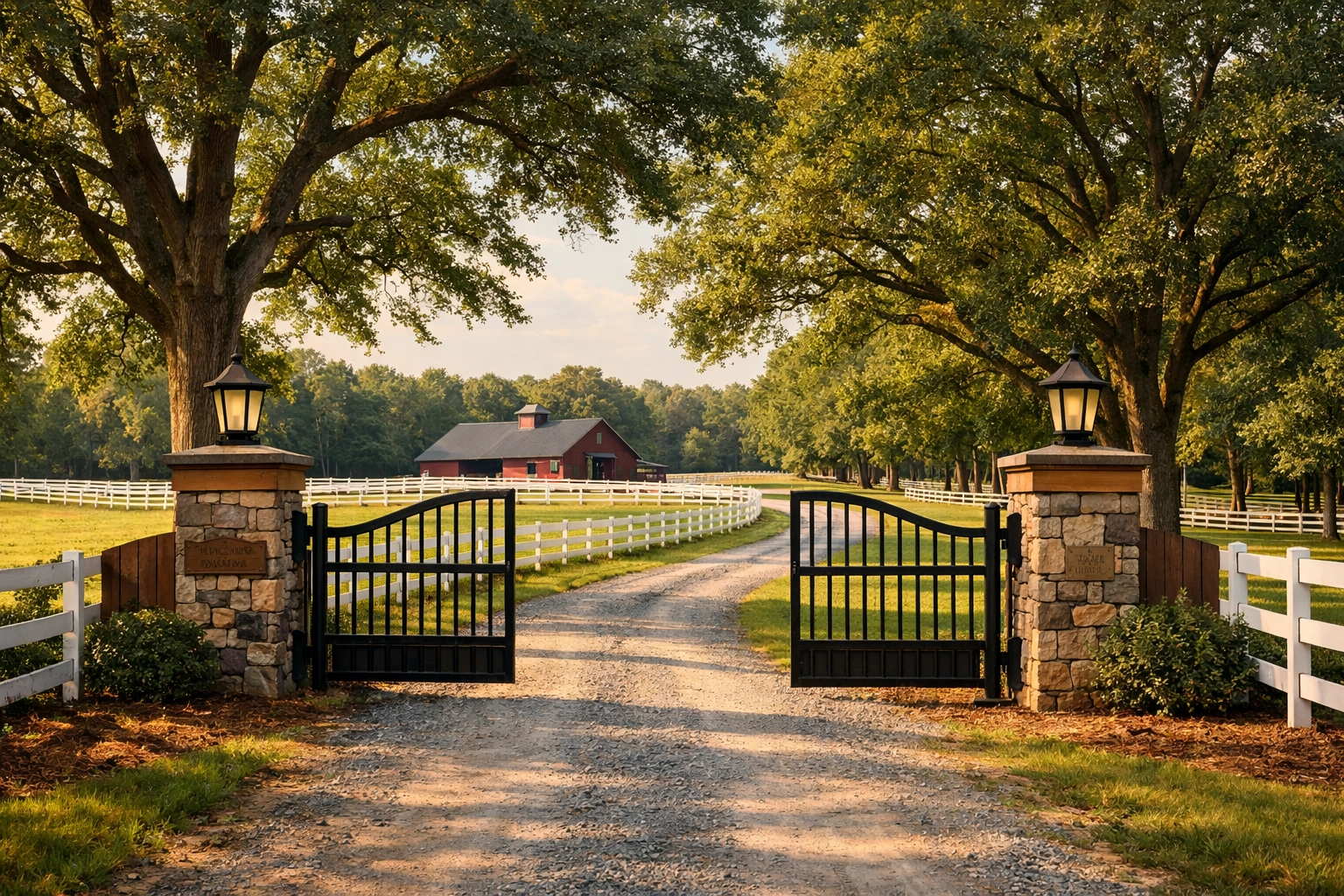
Road frontage and access routes affect property value beyond convenience. Direct access to paved roads reduces maintenance costs and liability exposure from damaged driveways. Properties requiring easements through neighboring parcels create complications during property transfers and limit your control over access conditions.
Proximity to emergency veterinary services: specifically the equine hospitals in Monroe and Charlotte: provides peace of mind that becomes critical at 2 AM when colic symptoms appear. The 20-30 minute range between Waxhaw and these facilities represents a manageable transport window for most emergencies.
Current Properties Worth Examining
The property at 2709 Valley Farm Road demonstrates what $1.5 million purchases in Waxhaw's current market: 10.96 acres with a 4,289-square-foot main residence, three fenced pastures with vinyl rail, a two-stall shed row barn with tack room, carriage house with three-car garage and studio apartment, equipment storage, and a maintained pond. This property reflects the complete package: functional equestrian infrastructure, quality land, and flexible space for family or farm staff.
Mid-range properties in the $500,000-$700,000 range typically offer 5-10 acres with modest barns requiring updates but providing solid foundations for customization. These properties appeal to buyers with specific facility requirements who prefer designing their own layouts rather than adapting to previous owners' configurations.
Starter properties under $400,000 exist but require careful evaluation. At this price point, buyers typically choose between better land with minimal structures or compromised acreage with nicer barns. The correct decision depends on whether you're building a breeding operation where land quality determines foal development, or a training facility where covered workspace matters more than pasture rotation.
Making Informed Decisions in Waxhaw's Market
Successful equestrian property purchases begin with honest assessment of your actual requirements rather than aspirational facility lists compiled from late-night Pinterest sessions. The difference between necessary infrastructure and desirable amenities determines whether you invest in long-term value or expensive features that don't improve daily operations.
Working with professionals who understand equestrian-specific considerations: from soil testing to barn inspections: prevents expensive discoveries after closing. Standard home inspections miss critical details about arena footing, pasture drainage, and barn structural integrity that affect your operational budget for years.
The 2026 Waxhaw market rewards buyers who move decisively on properly priced properties while maintaining discipline to walk away from compromised land or problematic infrastructure regardless of cosmetic appeal. Quality equestrian properties in desirable locations generate immediate interest from multiple qualified buyers who recognize value when inventory appears.
Your Next Steps
Evaluating horse farms requires different expertise than residential real estate. Properties that appear similar in listing photos reveal significant differences during in-person assessment: soil composition, drainage patterns, fence condition, and barn functionality that determine operational success.
Our team focuses exclusively on equestrian properties throughout Union County and the greater Charlotte region. We understand the questions you should ask, the problems to anticipate, and the details that separate sound investments from expensive lessons.
View current Waxhaw listings or contact our team to discuss specific requirements for your operation. Whether you're establishing your first breeding program, relocating an existing training facility, or finding the right property for retirement horses that deserve better than borrowed pastures, Waxhaw offers options worth examining carefully.

