

Waxhaw has quietly become one of the Charlotte Metro's most desirable locations for equestrian properties. With its rolling terrain, established horse community, and proximity to major show venues, this Union County town offers something special for horse owners ready to find their permanent home base.
But buying a horse farm isn't like buying a house with a backyard. The stakes are higher, the considerations more complex, and the mistakes more expensive. Before you fall in love with a property, here are ten essential factors that will determine whether that farm becomes your dream or your burden.
1. Union County Zoning Allows Agricultural Use: But Verify the Details
Union County's agricultural zoning is generally horse-friendly, but not all parcels are created equal. Properties zoned RA-40 (Residential Agricultural) typically allow horses as a matter of right, while other residential classifications may require conditional use permits or have livestock restrictions based on acreage minimums.
Before making an offer, confirm the current zoning designation and request documentation showing horses are explicitly permitted. Ask about barn setbacks from property lines, manure storage requirements, and any homeowner association restrictions that might supersede county zoning. Some newer subdivisions in Waxhaw allow horses on paper but impose restrictions that make practical horse keeping difficult.
2. Soil Quality Varies Dramatically Across Waxhaw Properties
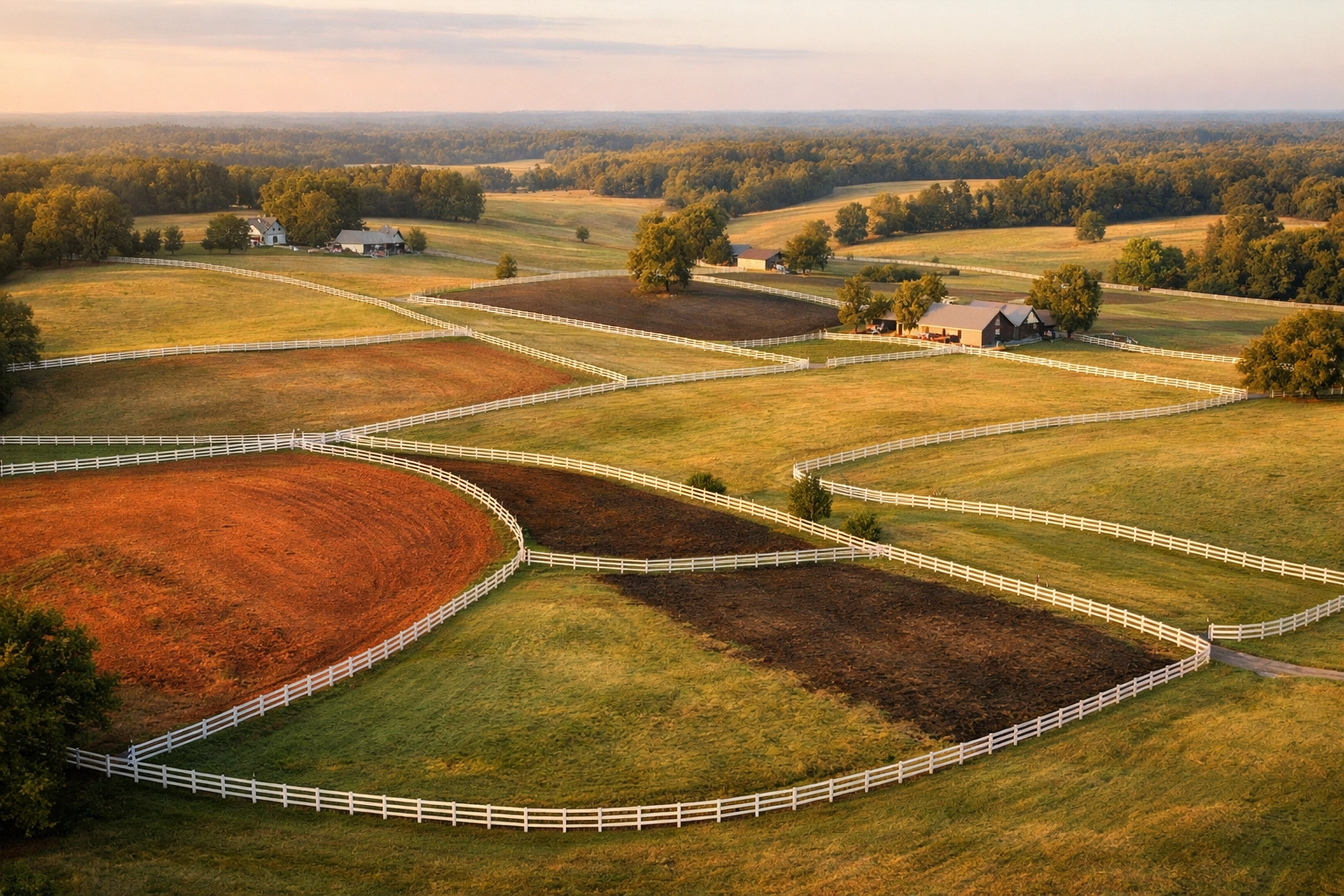
The Piedmont soil composition in Waxhaw ranges from red clay hardpan to more loamy, workable ground. This isn't just an aesthetic concern: soil quality directly impacts drainage, pasture productivity, and your long-term maintenance costs.
Clay-heavy properties create standing water issues, require more intensive pasture management, and increase hoof health problems. Before closing, invest in a soil test that evaluates pH levels, nutrient content, and drainage characteristics. Properties with established pastures that show healthy grass coverage year-round are worth the premium over bare land that will require years of soil amendment and reseeding.
3. Water Access Is Non-Negotiable
Municipal water reaches most of Waxhaw, but many equestrian properties rely on well water. A horse drinks 10-12 gallons daily in moderate weather and significantly more during summer heat. Multiply that by your herd size, add barn washing and arena maintenance, and you're looking at substantial water demands.
Request well flow rate documentation and recent water quality tests. Wells producing less than 10 gallons per minute may struggle to support a multi-horse operation. If the property uses municipal water, calculate the monthly costs: they add up quickly when you're filling multiple water troughs daily.
4. The Existing Barn Either Saves or Costs You Significantly
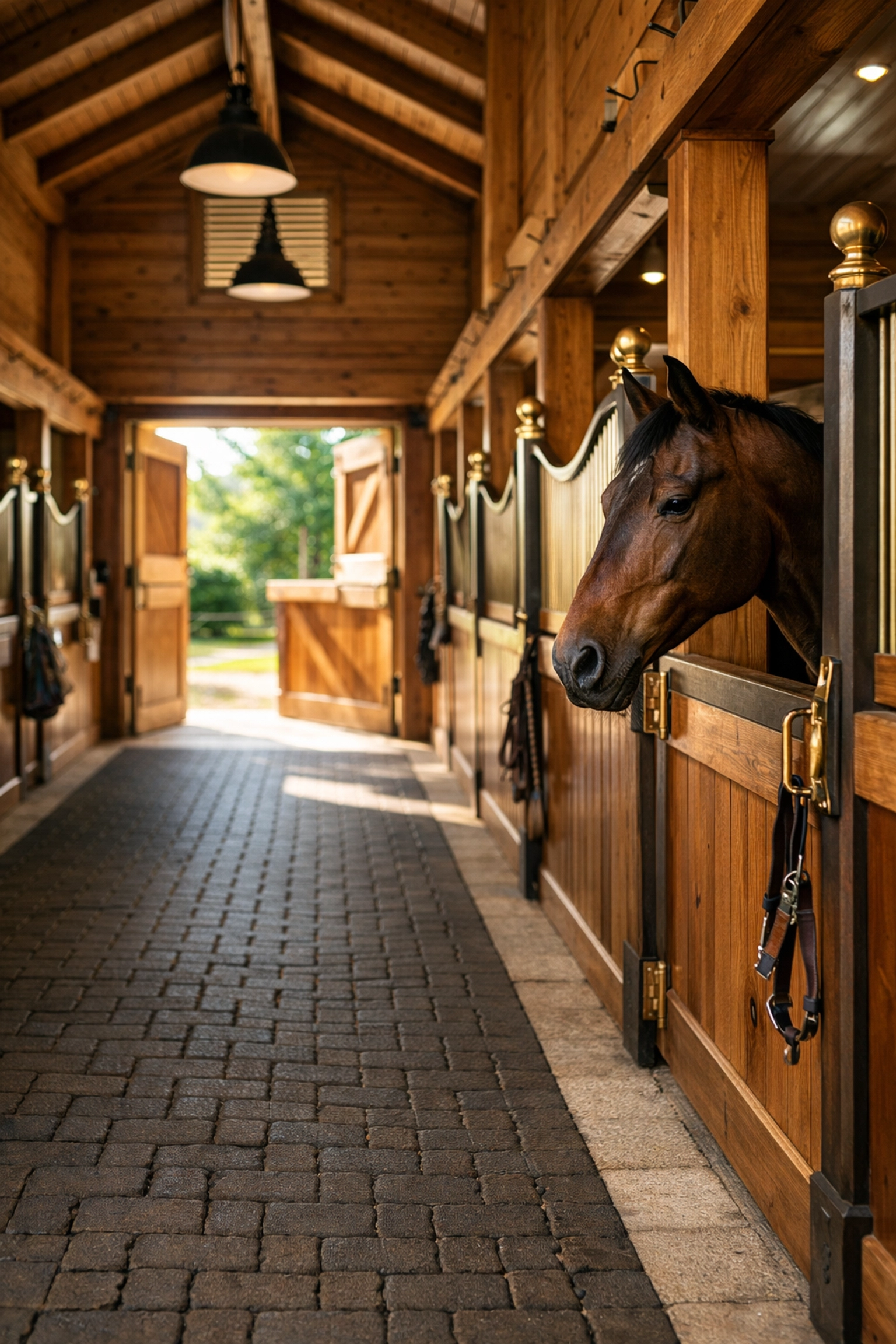
That charming barn in the listing photos might be a liability disguised as an asset. Quality barn construction in North Carolina requires proper ventilation, adequate stall dimensions (minimum 12×12 for average horses), safe footing, and electrical systems that meet code for agricultural use.
Walk the barn with a critical eye. Check for structural soundness in the framing, roof condition, foundation stability, and proper drainage around the structure. Poor ventilation leads to respiratory issues. Inadequate stall sizing creates behavioral problems. Outdated electrical systems are fire hazards. Sometimes a property with no barn is the better investment than one with a structure that needs immediate replacement.
5. Fencing Condition Determines Your First-Year Budget
Quality fencing is expensive: figure $3-5 per linear foot for new installation of safe horse fencing. Before buying, walk every fence line on the property and assess the condition honestly. Wood fencing typically needs replacement or major repair every 15-20 years. Check for rotted posts, sagging rails, and gaps that create entrapment hazards.
The safest options for horse properties include properly installed board fencing, mesh wire with wood rails, or coated wire systems specifically designed for horses. Barbed wire is dangerous and should be replaced. If the property has extensive fencing that needs immediate replacement, factor that five-figure expense into your offer price.
6. Distance to Equine Veterinary Care Matters in Emergencies
Waxhaw's location provides reasonable access to several equine veterinary practices, but response times during emergencies vary by your exact location. Properties in the southern reaches of Waxhaw may be 30-45 minutes from emergency veterinary services: a critical factor when colic surgery or acute lameness strikes.
Identify the nearest 24-hour equine emergency facility before buying. Southern Pines Equine Associates, Tryon Equine Hospital, and practices in the greater Charlotte area all serve Waxhaw, but distance impacts response times. Properties closer to Highway 16 or Providence Road typically offer faster access to emergency care.
7. Highway Access Makes or Breaks Your Show Schedule
If you trailer regularly to shows, clinics, or trail riding locations, highway access becomes a daily quality-of-life factor. Waxhaw offers excellent access to Highway 16, which connects to I-485 and I-77, providing reasonable routes to major show venues throughout the Carolinas.
Properties on the eastern side of Waxhaw typically offer easier access to Tryon and Southern Pines show facilities. Western locations connect more readily to Charlotte venues. Consider your competition schedule and trailer setup: narrow country roads with tight turns are manageable with a small trailer but nightmarish with a 4-horse gooseneck.
8. The Equestrian Community Is Established and Active
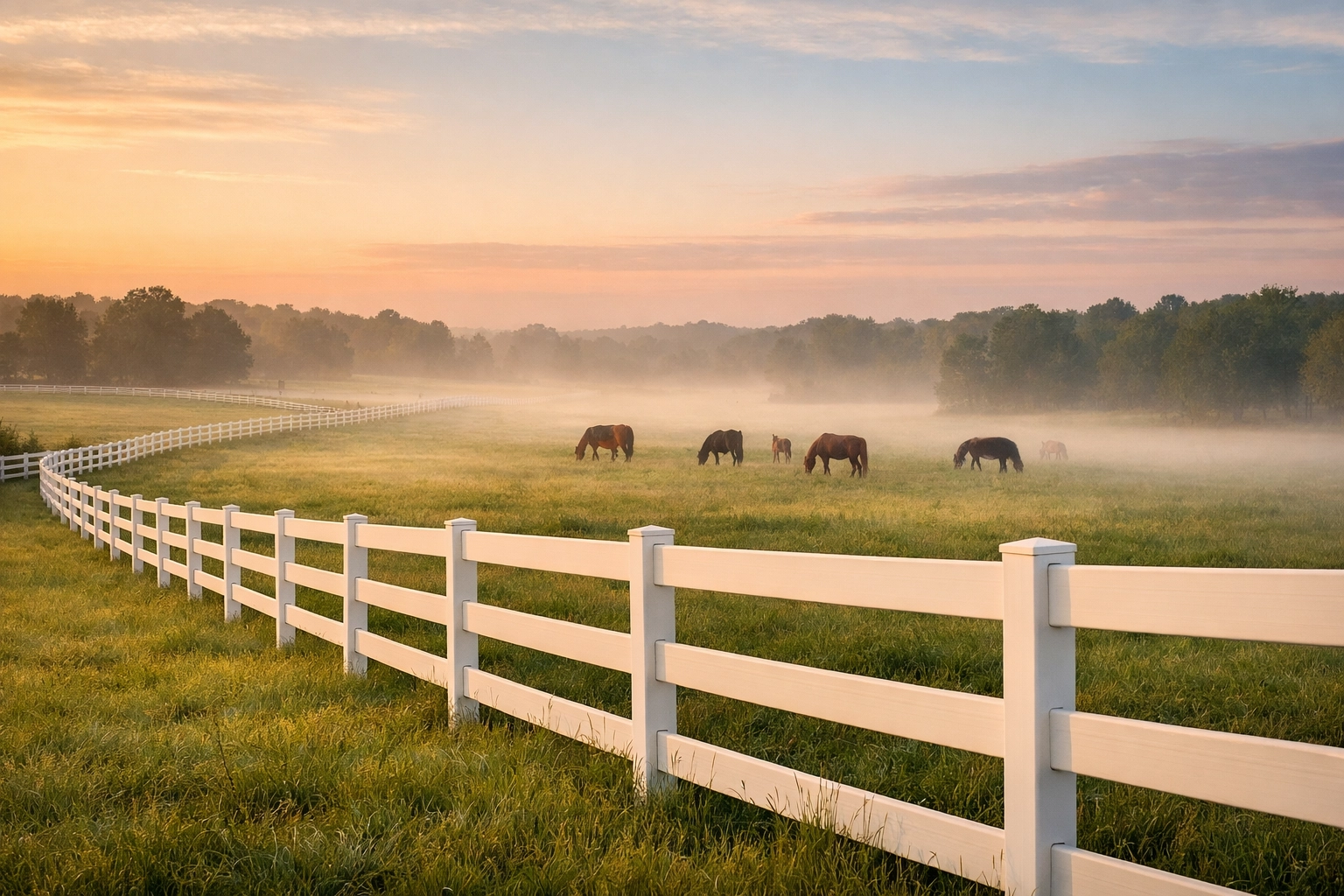
Waxhaw isn't a horse community in name only: it's home to respected training facilities including Silver Hill Farm and Providence Equestrian Center. This established infrastructure means access to riding instruction, training services, show opportunities, and the supportive network that makes horse ownership sustainable.
Properties within a short trailer ride to these facilities command premiums for good reason. The ability to access quality instruction without a 90-minute haul changes your daily routine and your horses' development. Before buying, visit local barns to understand the competitive landscape and training philosophy that dominates the area.
9. Property Taxes Reflect Union County's Growth Trajectory
Union County's rapid growth has increased property values and tax assessments accordingly. Current property taxes in Waxhaw run approximately $1.02 per $100 of assessed value, and assessments are rising as the Charlotte Metro continues expanding southward.
Request the last three years of tax records for any property under consideration. Properties enrolled in present-use value (agricultural) programs receive significant tax reductions, but maintaining that status requires meeting specific agricultural income thresholds. Understand these requirements before assuming you'll qualify: the income standards eliminate most hobby farm operations.
10. Acreage Requirements Depend on Your Horse Management Philosophy
The "acres per horse" question has no universal answer, but Waxhaw's climate and growing season allow for relatively productive pasture management with proper rotation. Two acres per horse is the frequently cited minimum, but that assumes quality pasture and rotational grazing discipline.
Clay-heavy soil and high-traffic areas quickly become mudpans without sufficient space. Properties under five acres typically require dry lot management with supplemental hay year-round, while 10+ acre farms can support rotational grazing that significantly reduces feed costs. Consider your management time, budget, and horse care philosophy before deciding your minimum acreage requirement.
Finding the Right Property Takes Patience and Expertise
The Waxhaw equestrian real estate market moves quickly when quality properties list. Farms with proper infrastructure, adequate acreage, and desirable locations often receive multiple offers within days of listing. Understanding these ten factors before you start your search positions you to move decisively when the right property appears.
Explore available equestrian properties in Waxhaw and throughout the Charlotte Metro area, or contact our team to discuss your specific requirements. We work exclusively with equestrian properties and understand the details that matter to horse owners( because we're horse people first.)

