

The Charlotte equestrian real estate market is experiencing a fascinating evolution. Traditional grand estates with their timeless appeal now compete alongside technology-integrated smart horse farms that promise efficiency and sustainability. For investors navigating this landscape, understanding which approach delivers better returns: and attracts the right buyers: has never been more critical.
Understanding the Two Property Categories
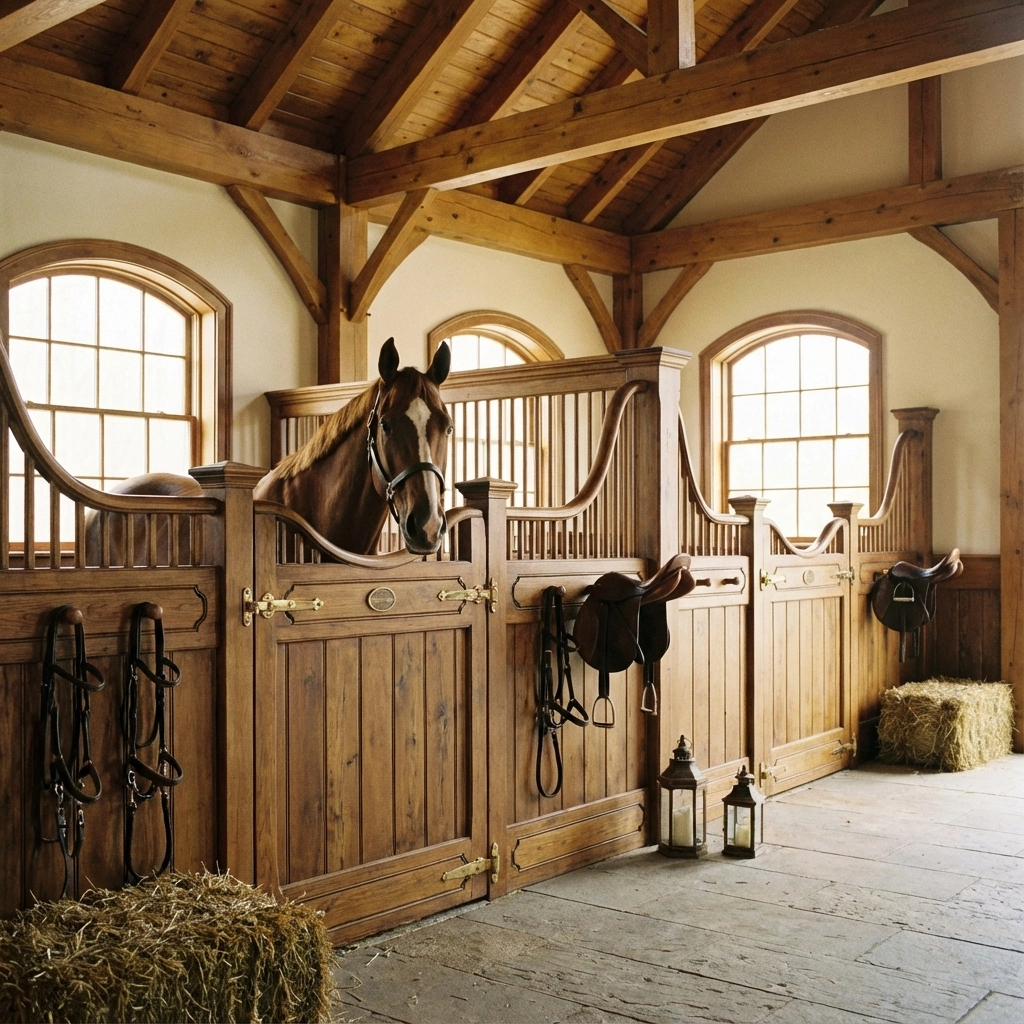
Traditional equestrian estates represent the classic vision of horse country luxury. These properties typically feature expansive main residences with architectural details like exposed beams, stone fireplaces, and wraparound porches. The horse facilities emphasize craftsmanship over automation: hand-built barns with intricate millwork, traditional stall designs, and established pasture systems that have proven their worth over decades.
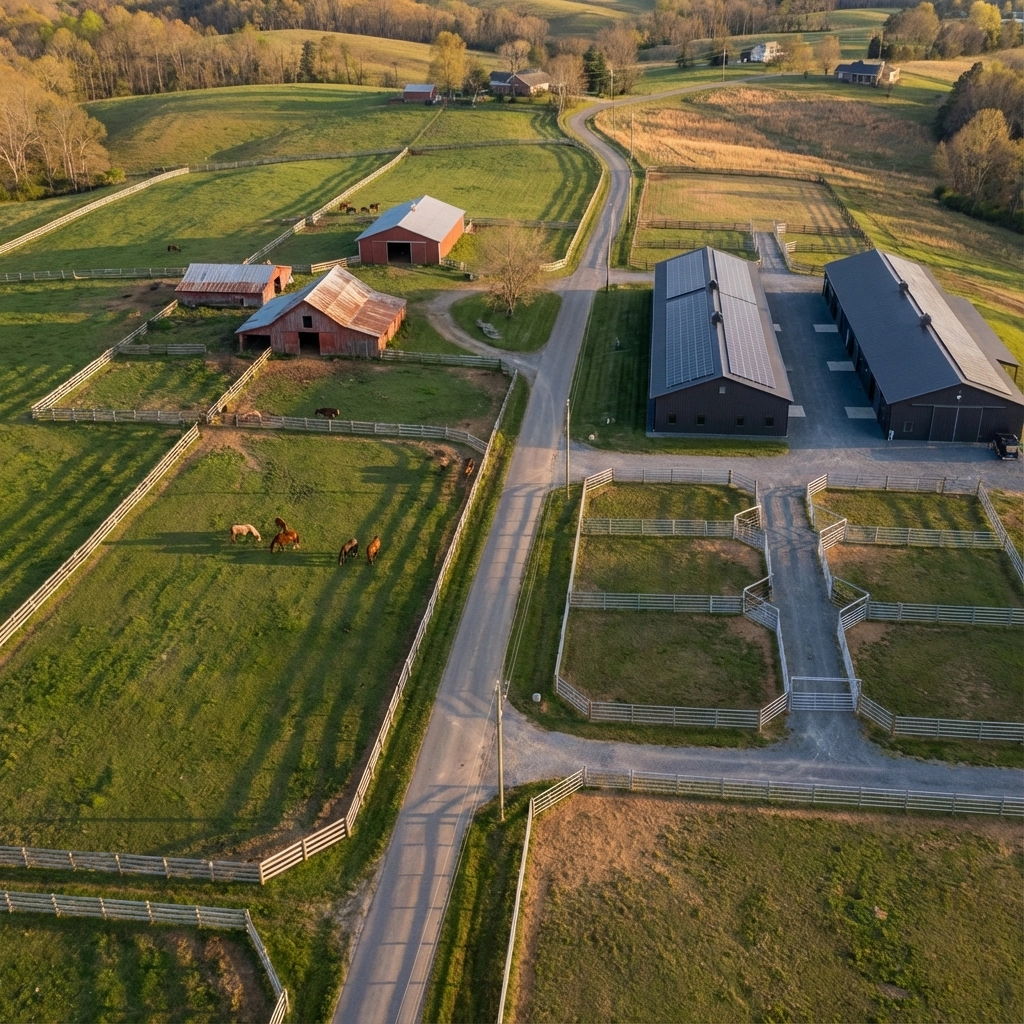
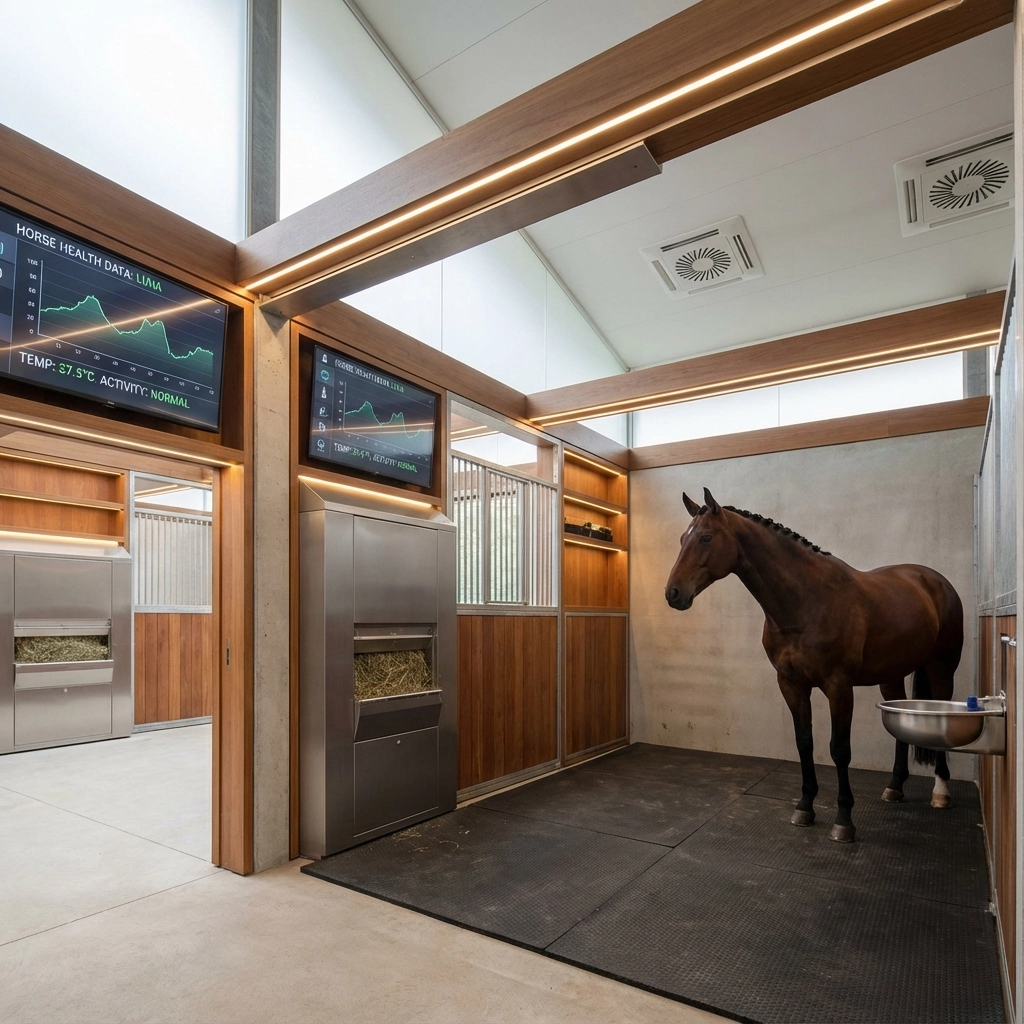
Smart horse farms integrate modern technology into every aspect of property management. Automated feeding systems, climate-controlled environments, and health monitoring devices transform daily operations. These properties often incorporate sustainable features like solar panels, rainwater collection systems, and smart irrigation that reduces environmental impact while cutting operational costs.
Investment Returns: The Numbers Tell a Story
Smart horse farms typically command 15-20% higher initial purchase prices in the Charlotte market, but they deliver measurable operational savings. Automated systems can reduce daily management time by 60%, allowing property owners to minimize labor costs or manage larger operations with existing staff. Energy-efficient systems often cut utility expenses by 30-40% annually.
Traditional estates, however, demonstrate stronger appreciation rates over time. Charlotte's established equestrian communities like Weddington and Waxhaw show consistent 8-12% annual appreciation for well-maintained traditional properties. The timeless appeal attracts a broader buyer pool, including those who prioritize heritage and craftsmanship over technological convenience.
Buyer Preferences Shape Market Demand
The Charlotte equestrian community includes two distinct buyer segments with different priorities. Technology-forward buyers: often younger professionals or those expanding existing operations: gravitate toward smart farms' efficiency and sustainability features. They value properties that integrate seamlessly with their digital lifestyles and support their environmental values.
Heritage-focused buyers prefer traditional estates that reflect equestrian culture's deep roots. These purchasers often have established operations and appreciate the proven reliability of time-tested facilities. They're willing to invest in properties that honor the sport's traditions while offering room for customization.
Maintenance and Operational Considerations
Smart horse farms excel in predictive maintenance capabilities. Sensors monitor everything from stall humidity to water consumption, alerting owners to potential issues before they become expensive problems. However, the technology requires ongoing updates and specialized technical support, adding complexity to property management.
Traditional estates offer straightforward maintenance requirements that local contractors understand well. Repair costs are predictable, and replacement parts remain readily available. The simplicity appeals to investors who prefer direct control over their properties without technological dependencies.
Charlotte's Unique Market Position
Charlotte's proximity to Tryon International Equestrian Center creates exceptional demand for high-quality horse properties. The region's four-season climate suits both traditional and smart farm approaches, though smart systems' climate control features provide particular advantages during humid summers and unpredictable winter weather.
Local infrastructure supports both property types effectively. Traditional estates benefit from established relationships with local feed suppliers, veterinarians, and craftsmen who understand regional needs. Smart farms can leverage Charlotte's growing technology sector for system support and upgrades.
Future-Proofing Your Investment
Smart horse farms align with broader sustainability trends that influence property values nationwide. Buyers increasingly prioritize environmental responsibility, and properties with documented energy savings and carbon footprint reductions may command premiums in future markets.
Traditional estates offer different future-proofing advantages through their adaptability. Well-designed traditional facilities can incorporate technological upgrades gradually, allowing owners to adopt new systems at their own pace without wholesale property restructuring.
Which Investment Strategy Serves You Best?
Choose smart horse farms if you're targeting:
- Younger demographics expanding their operations
- Buyers prioritizing operational efficiency
- Markets emphasizing sustainability credentials
- Investment horizons focused on operational income rather than pure appreciation
Choose traditional estates if you're targeting:
- Established equestrians seeking proven reliability
- Heritage-conscious buyers valuing craftsmanship
- Broader buyer pools including those less comfortable with technology
- Long-term appreciation strategies in established communities
Making the Decision Work for Charlotte
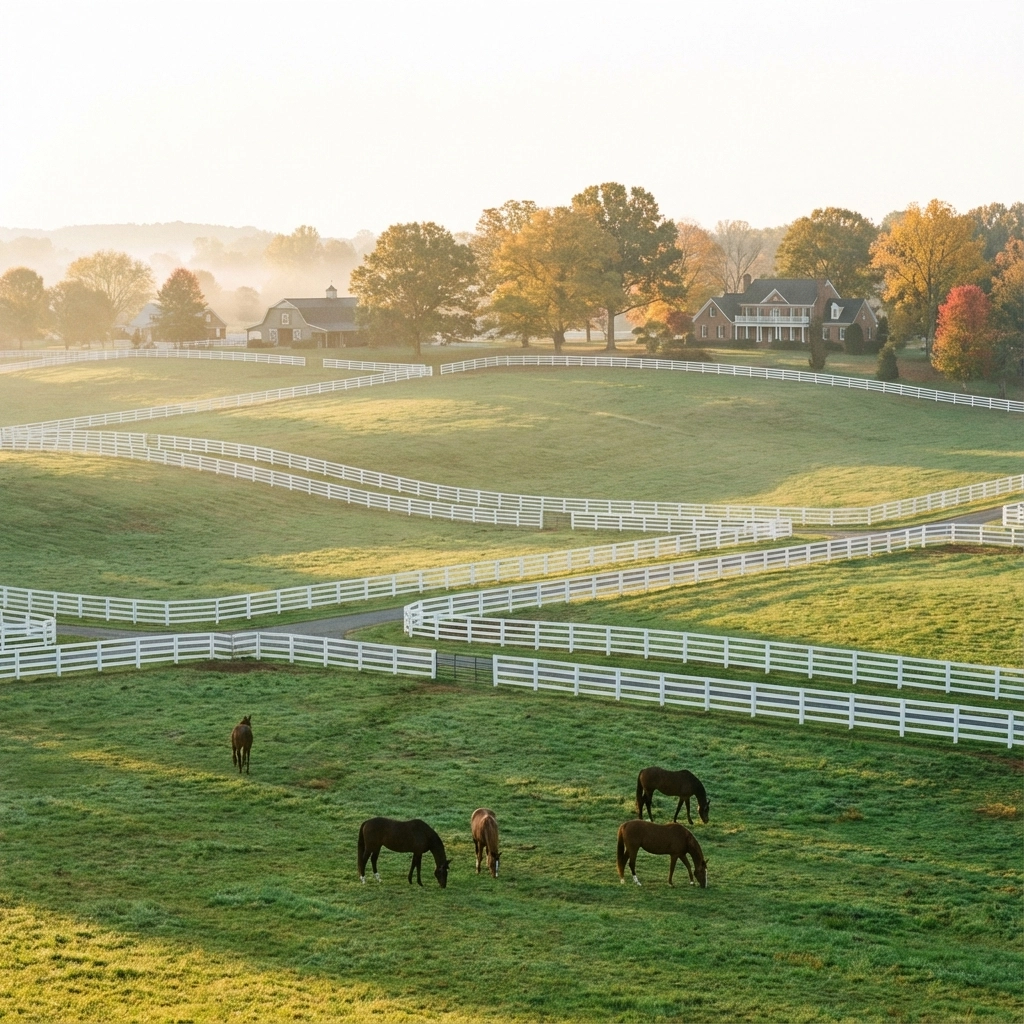
Success with either approach requires understanding your specific buyer market within Charlotte's diverse equestrian community. Weddington and Waxhaw favor traditional elegance, while areas closer to Charlotte's urban core show growing interest in smart farm efficiency.
The most successful investors often blend approaches: incorporating smart systems into traditionally-designed facilities or ensuring smart farms maintain the aesthetic appeal that Charlotte buyers expect. Properties that honor equestrian heritage while embracing practical innovations often command the highest premiums.
Regional Market Insights
Charlotte's equestrian market benefits from North Carolina's position as a leading horse state, with over 180,000 horses and a $1.8 billion economic impact. This established foundation supports both traditional and smart farm approaches, but local preferences lean toward properties that respect the region's agricultural heritage.
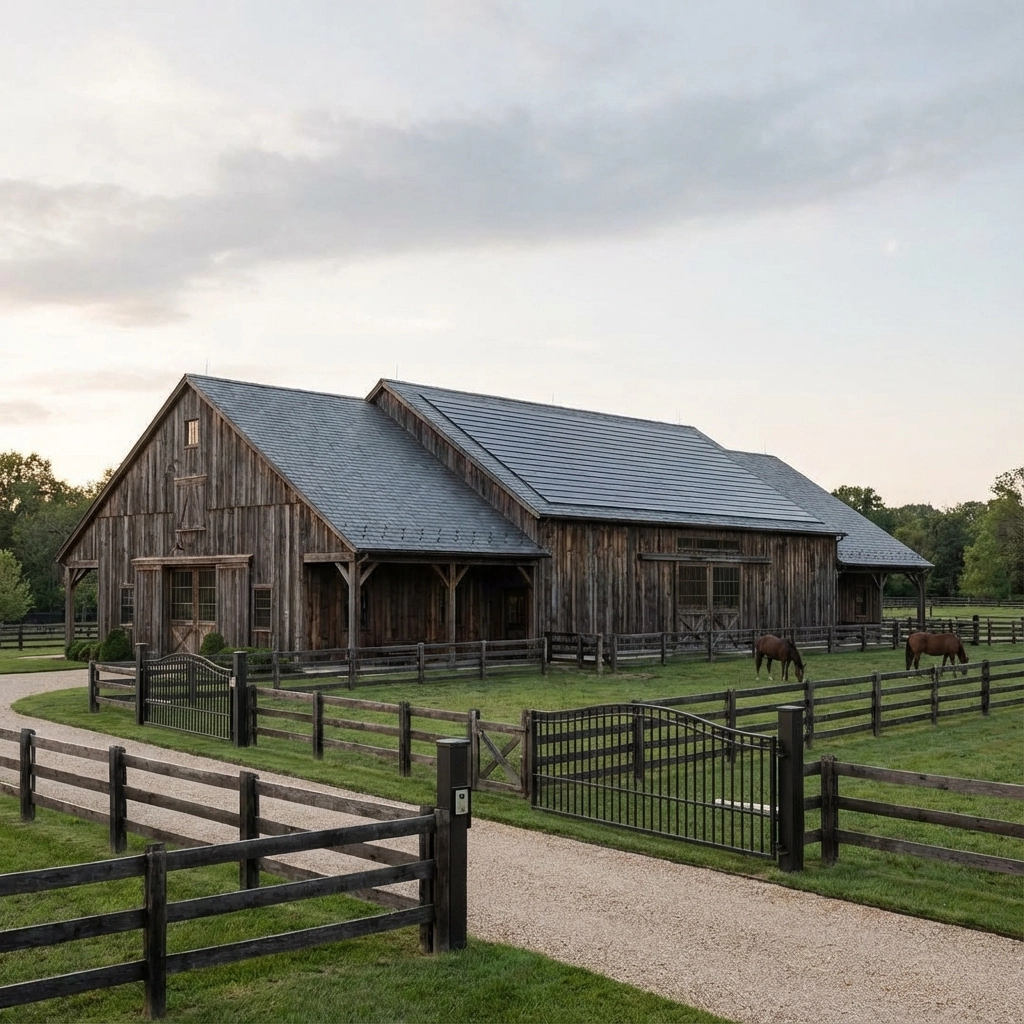
Successful smart farm investments in Charlotte typically incorporate traditional design elements: board and batten siding, classic rooflines, and natural materials: while housing modern technology discreetly. This approach satisfies both efficiency needs and aesthetic expectations.
Your Next Steps in Charlotte Equestrian Investment
Whether you choose smart farm efficiency or traditional estate elegance, success requires deep understanding of Charlotte's unique equestrian community and market dynamics. The best investment decision aligns with your target buyer's priorities while positioning your property for both immediate returns and long-term appreciation.
At Carolina Horse Farm Realty, we understand the nuanced differences between these property types and how they perform in Charlotte's distinct market conditions. Our team brings the insight needed to identify which approach serves your investment goals while honoring the equestrian lifestyle that makes these properties so compelling.
Ready to explore Charlotte's premier horse properties and discover which investment approach aligns with your goals? Let's discuss how traditional estates and smart horse farms each contribute to building your equestrian real estate portfolio in one of the nation's most dynamic horse markets.

