

If you're considering buying a horse property in the Charlotte metro area this year, you're entering a market that looks notably different than it did just two years ago. The equestrian real estate landscape in North Carolina has shifted, and understanding these changes will position you to make smarter decisions: whether you're relocating from out of state or upgrading from your current facility.
After working with dozens of horse farm buyers and sellers across Mecklenburg, Union, and York counties, we've observed clear patterns emerging in 2026. These aren't predictions: they're trends already reshaping how properties are valued, marketed, and sold in our region.
1. Turnkey Properties Command Premium Pricing
The days of buyers eagerly tackling fixer-upper farms have largely passed. In 2026, properties with quality infrastructure in place: functional barns, maintained fencing, established pastures, and reliable water systems: are selling faster and at higher price points than comparable raw or neglected acreage.
This shift reflects demographic changes in equestrian buyers. Many are time-constrained professionals who want to move horses in immediately, not spend two years renovating. Others are relocating from states where horse property values are significantly higher, making Charlotte-area farms feel reasonably priced even at premium levels.
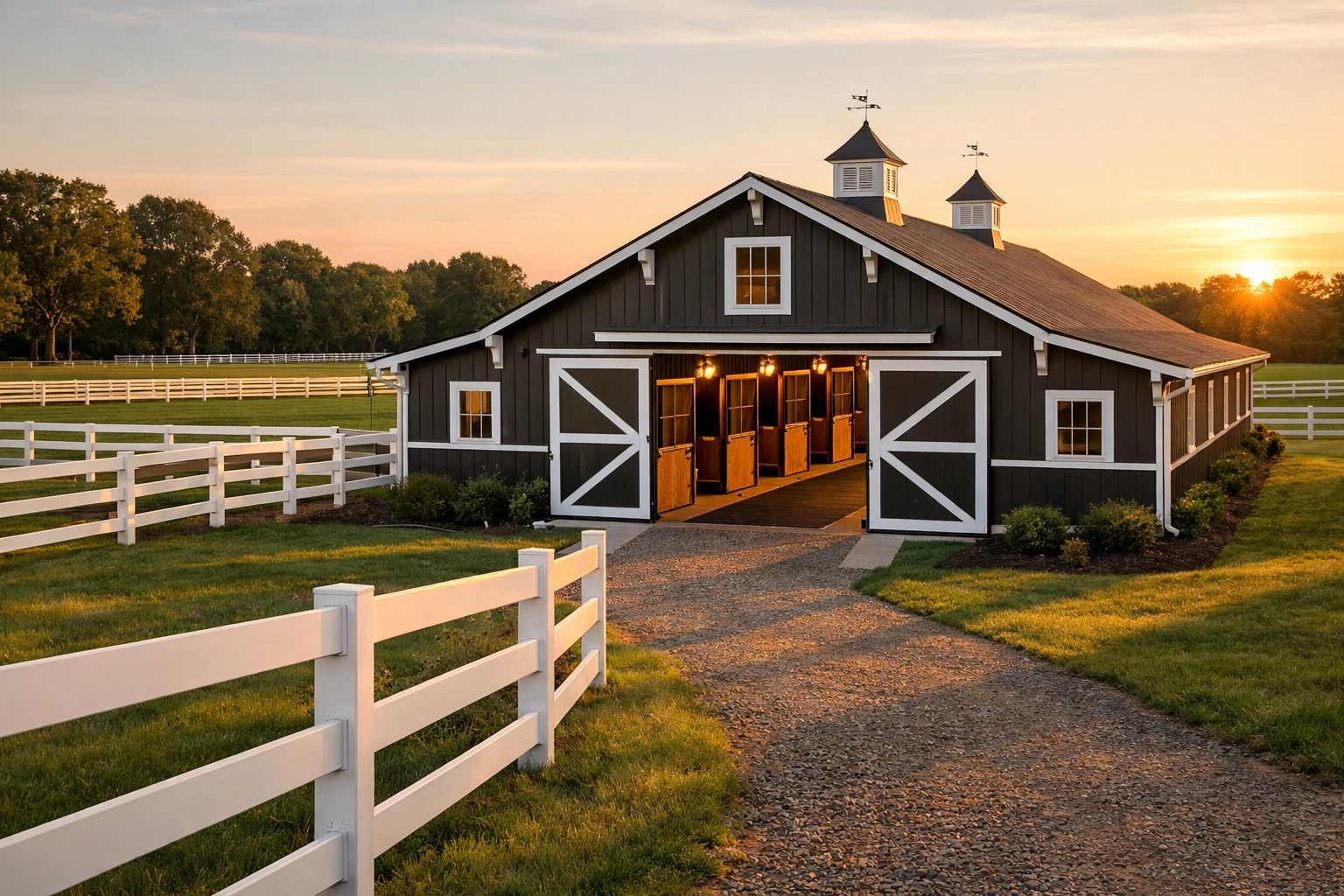
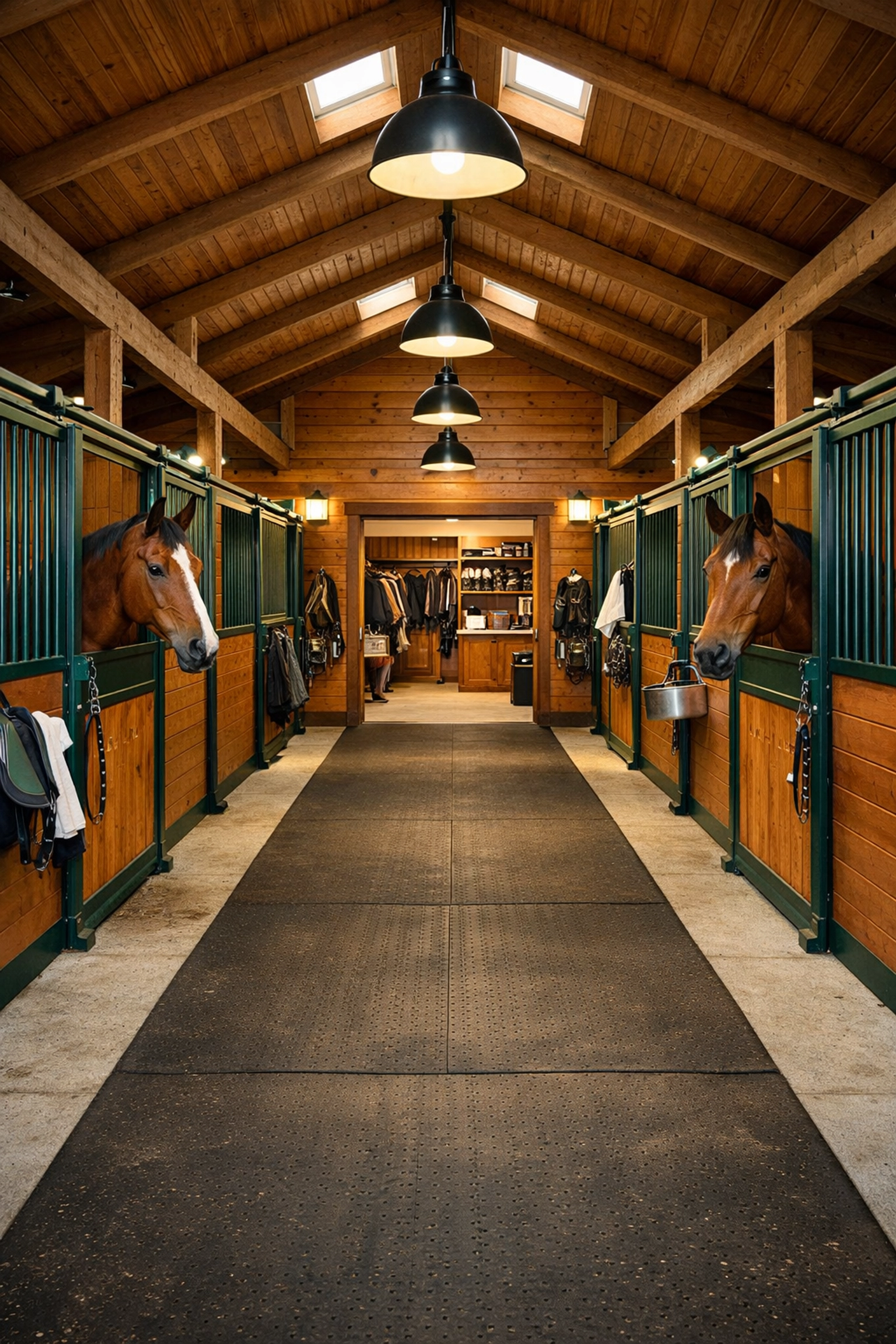
What this means for you: If your budget allows, prioritize properties where the essential horse-keeping infrastructure already exists. A quality six-stall barn with proper ventilation and rubber-matted aisles adds more value than the same square footage in deteriorating condition. The initial cost difference typically proves smaller than renovation expenses, and you gain immediate usability.
2. The 10-20 Acre Sweet Spot Has Intensified
While large acreage properties (50+ acres) still hold their niche, we're seeing exceptional demand for well-configured properties in the 10-20 acre range, particularly in Waxhaw, Weddington, and western Union County.
This acreage range offers enough space for meaningful horse keeping: pasture rotation, a riding area, privacy: while remaining manageable for owners who don't want to operate full-scale farms. Properties in this category that include amenities like indoor arenas or exceptional barn facilities generate multiple offers quickly.
The competition intensifies when these mid-sized properties sit within 30-40 minutes of Charlotte's employment centers. Buyers want equestrian lifestyle without sacrificing career accessibility or forcing long commutes on non-riding family members.
3. Income-Generating Potential Influences Valuations
More buyers are considering properties where boarding, training, or lesson programs could offset operating costs. Even buyers who don't intend to run commercial operations immediately view this flexibility as valuable insurance against changing financial circumstances.
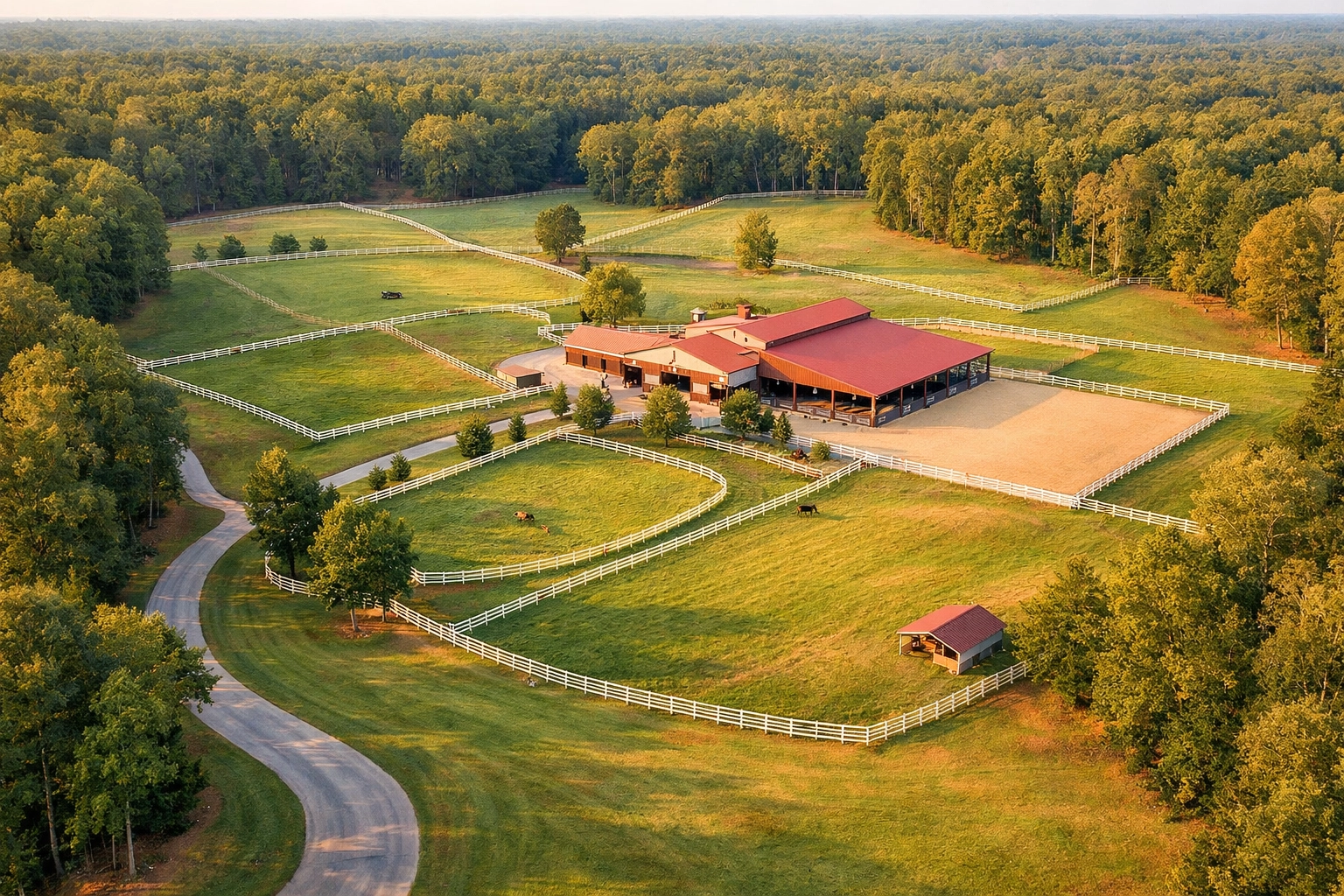
Properties configured for multiple boarders: with eight or more quality stalls, sufficient pasture for rotation, and adequate parking: consistently attract stronger interest than comparable acreage with minimal horse infrastructure. Buyers recognize that zoning-approved, established boarding operations provide options their personal-use-only farms cannot.
This trend doesn't mean every property needs commercial potential, but it does mean farms with versatile layouts hold broader appeal in today's market. If you're evaluating two similar properties, the one that could accommodate boarders if needed typically represents the stronger investment.
4. Zoning Clarity Has Become Non-Negotiable
The 2026 buyer arrives more educated about zoning restrictions than buyers did five years ago. Too many equestrians have learned expensive lessons about agricultural district requirements, setback regulations, and boarding limitations after closing.
Properties where zoning status is crystal clear: with documented approval for intended horse-related uses: move faster than those requiring buyers to navigate uncertain approval processes. Sellers who proactively provide zoning letters or verification of grandfathered uses eliminate significant buyer hesitation.
In Union County particularly, where agricultural zoning can vary dramatically between parcels, this documentation matters. Buyers want confirmation they can legally keep the number of horses they own, potentially add an arena, or run a small boarding operation without rezoning battles.
5. Water Quality and Drainage Command Serious Attention
North Carolina horse owners have always understood pasture management, but 2026 buyers are conducting more thorough due diligence on water sources and property drainage before making offers.
Recent weather patterns: including intense rainfall events followed by dry periods: have highlighted which properties handle water well and which turn into mud pits or face well capacity issues. Buyers now routinely request well flow tests, water quality analysis, and detailed drainage assessments during inspection periods.
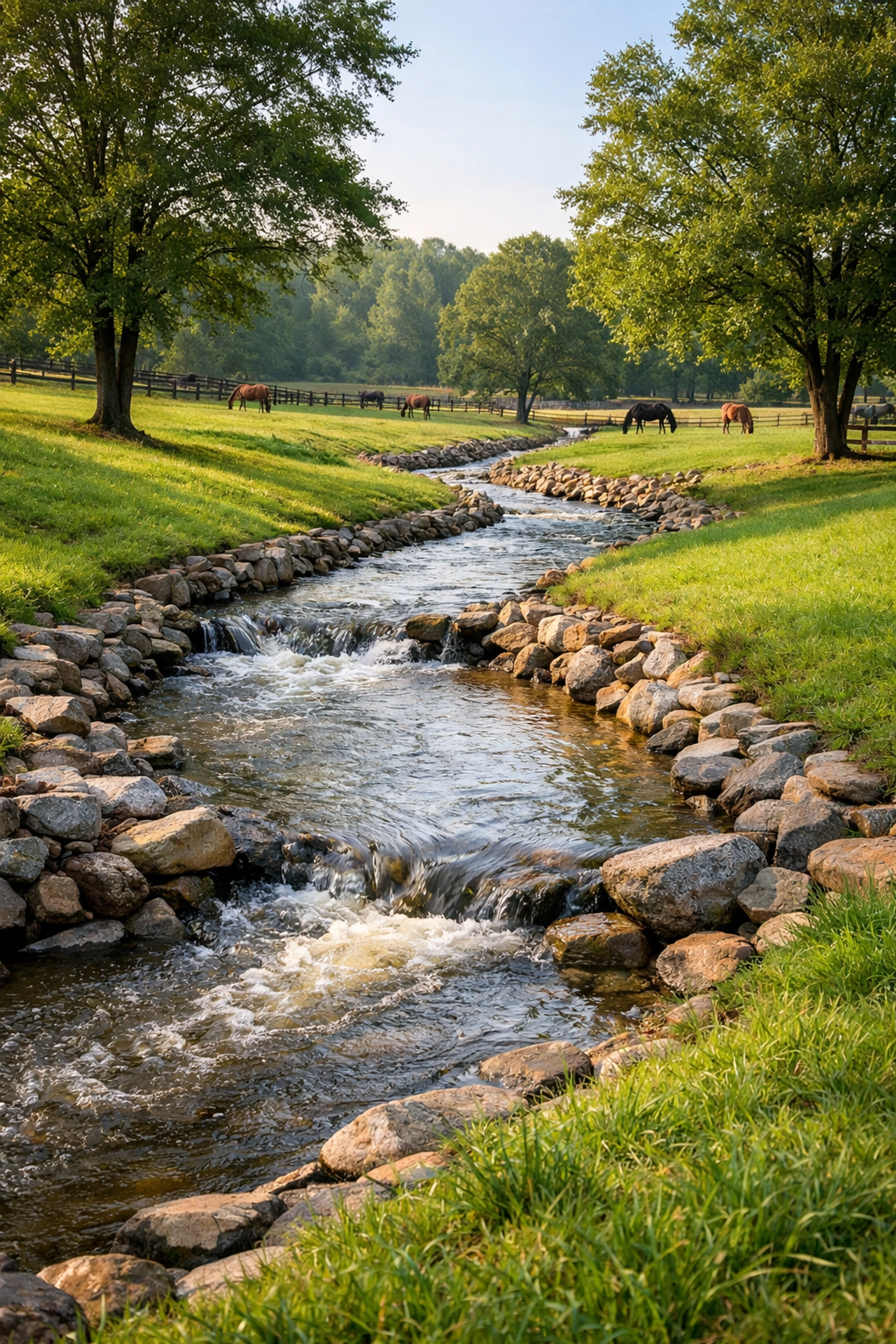
Properties with thoughtfully designed drainage systems, maintained creek beds, or multiple water sources hold distinct advantages. Conversely, farms with standing water issues, limited well production, or erosion problems face longer market times and reduced values.
What savvy buyers know: North Carolina's red clay requires intentional management. Properties where previous owners invested in proper drainage, established grass coverage, and maintained water features demonstrate a level of stewardship that protects your investment long-term.
6. Indoor Arenas Have Shifted From Luxury to Expected Amenity
Five years ago, an indoor riding arena marked a property as exceptional. In 2026, serious buyers: particularly those relocating from northern states: increasingly view covered riding space as essential rather than optional.
This expectation doesn't mean every property needs a full-sized indoor. But covered work areas, round pens with roofs, or quality outdoor arenas with excellent footing and drainage are becoming baseline requirements for buyers who train regularly or operate lesson programs.
Properties offering climate-controlled riding options can command $100,000-$200,000 premiums over comparable farms without them, assuming the structure is well-maintained and properly sized. Poorly constructed or deteriorating covered arenas add minimal value.
7. Technology Integration Attracts Younger Buyers
The emerging buyer demographic: often younger professionals with remote work flexibility: expects modern connectivity even in rural settings. Properties within areas served by fiber internet, or where installation is feasible, hold advantages over those restricted to satellite service.
Beyond internet, we're seeing increased interest in properties where barn monitoring systems, automated watering, or security cameras can be easily implemented. These buyers view farm management technology not as unnecessary luxury but as practical tools that allow them to work remotely while maintaining proper horse care.
Properties marketed with existing smart home integration, quality cell service, or demonstrated internet speeds receive notably stronger interest from buyers under 45.
Positioning Yourself in This Market
Understanding these trends provides advantage whether you're beginning your search or making offers. The 2026 Charlotte equestrian market rewards buyers who move decisively on well-maintained properties that match their specific needs, while requiring patience from those seeking projects or unconventional configurations.
Properties that check multiple boxes: turnkey condition, manageable acreage, income potential, clear zoning, quality water management, covered riding space, and modern connectivity: generate competitive situations quickly. If you identify a farm meeting your priority criteria, hesitation typically means losing to more decisive buyers.
Conversely, properties requiring significant infrastructure investment or presenting zoning complications are negotiating more in 2026 than in previous years. These farms still sell, but to buyers with specific skills, time availability, or vision for long-term development.
Working With Equestrian Real Estate Specialists
Navigating these market dynamics requires partnership with agents who understand both real estate transactions and legitimate horse property evaluation. The critical considerations: pasture health, barn functionality, arena footing quality, fence safety: fall outside typical residential agent expertise.
At Carolina Horse Farm Realty, we bring horse ownership experience to every property evaluation. We understand which infrastructure elements justify premium pricing and which represent future expense. We know which areas offer the best combination of land value, equestrian community, and practical access to services horse owners need.
If you're ready to explore equestrian properties in the Charlotte area, or want detailed analysis of how these trends affect your specific property search, we'd welcome the conversation. The 2026 market offers excellent opportunities for informed buyers who understand what they're evaluating.
Contact our team to discuss your equestrian property goals and how current market conditions align with your timeline and requirements.

