

When you've spent enough time in barns, you develop an eye for quality that goes beyond aesthetics. A well-designed stable isn't just about impressing visitors: it's about creating an environment where horses thrive and daily barn management becomes seamless rather than exhausting. In the Charlotte equestrian market, luxury stable design has evolved far beyond basic shelter. Today's high-end properties feature barns that rival the main residence in both function and finish.
Whether you're building from scratch or evaluating equestrian properties in the Charlotte area, understanding what separates exceptional stable design from merely adequate facilities helps you make informed decisions. These seven features define the standard for luxury equestrian estates in our region.
1. Climate Control and Advanced Ventilation Systems
North Carolina's humidity and temperature swings demand more than open doors and a few fans. High-end stables in the Charlotte area now incorporate comprehensive climate management systems that maintain optimal conditions year-round.
Quality ventilation begins with proper barn orientation: ideally positioned to capture prevailing breezes while minimizing direct sun exposure on stall fronts. Ridge vents, cupolas, and strategically placed windows create natural airflow that reduces moisture buildup and respiratory irritants. Many luxury properties augment this with ceiling fans in aisleways and individual stall fans for summer comfort.
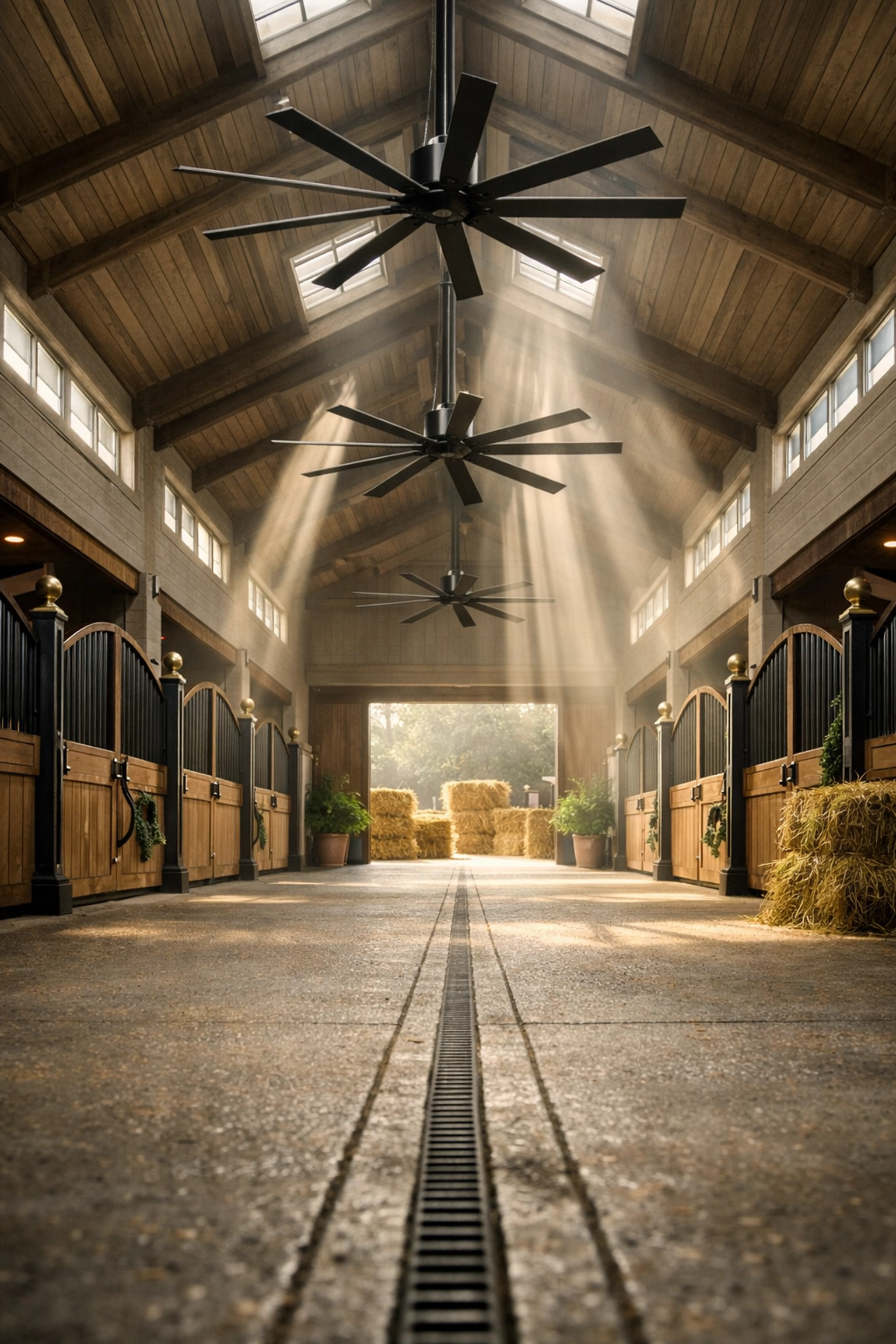
Climate-controlled facilities take this further with heating systems for cold snaps and misting systems for summer cooling. The investment pays dividends in horse health, reduced respiratory issues, and the simple comfort of working in your barn during extreme weather. For properties focused on breeding or showing, maintaining consistent temperatures supports optimal performance and recovery.
2. Premium Flooring Materials and Engineered Drainage
Walk through any luxury barn in Waxhaw or Weddington, and you'll immediately notice the flooring. This isn't an area where shortcuts work: your horses stand on these surfaces for hours, and poor drainage creates endless maintenance headaches.
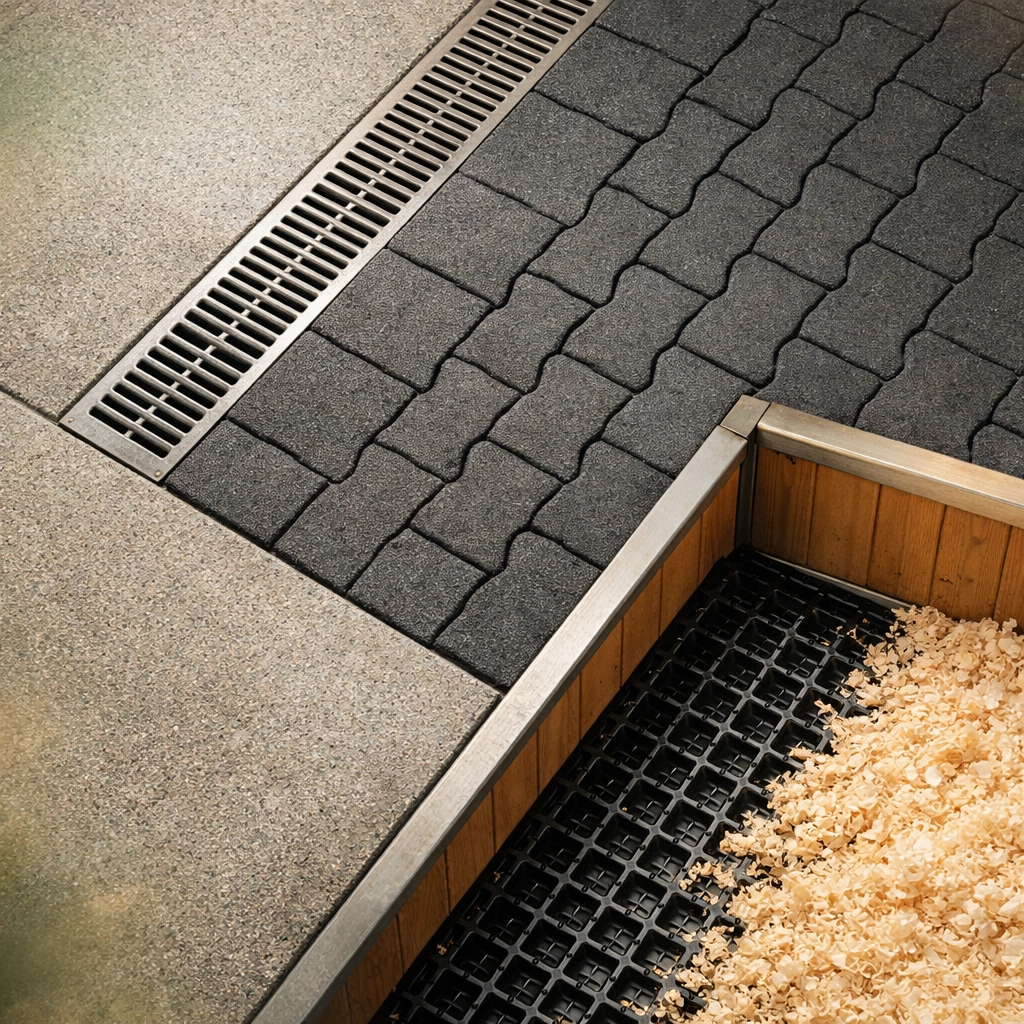
Concrete aisles with sealed, textured finishes provide durability and easy cleaning while offering sufficient grip for shod horses. Interlocking rubber pavers have gained popularity for their shock absorption and aesthetic flexibility, though they require proper base preparation to prevent shifting.
The real sophistication shows in the drainage engineering. High-end barns incorporate pitched floors with trench drains that move water efficiently away from stall areas. Some properties include separate grey water systems that manage wash stall runoff according to environmental regulations. In stalls themselves, compacted stone dust over gravel drainage layers: or engineered grid systems: prevent the pooling that leads to thrush and compromised hoof health.
3. Integrated Living and Working Spaces
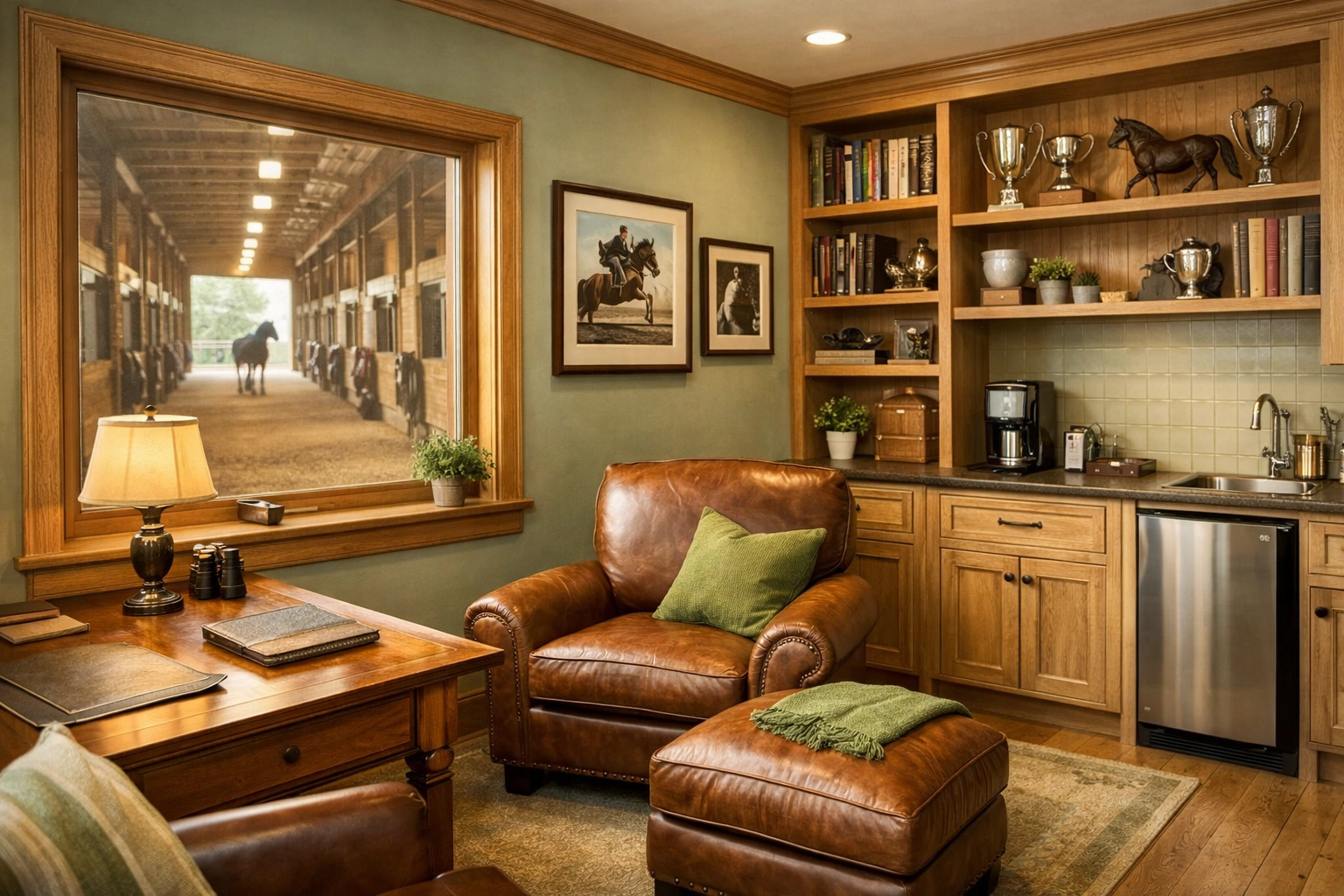
Modern luxury stables function as command centers for property management, not just housing for horses. The most thoughtfully designed facilities include climate-controlled offices with views of the barn aisle, allowing you to handle paperwork while monitoring activity. Built-in cabinetry, desks, and filing systems keep records organized and accessible.
Full bathrooms with showers have transitioned from luxury to necessity. After morning feed or a muddy turnout session, having proper facilities means you're not tracking through the main house. Some estates include small kitchenettes with refrigeration for medications, coffee makers for early mornings, and seating areas for veterinary consultations or farrier appointments.
These integrated spaces acknowledge the reality of horse ownership: you'll spend significant time in your barn. Designing them as extensions of your living environment rather than afterthoughts creates a more enjoyable daily experience. Many Charlotte-area properties incorporate lounge areas where owners can watch lessons or entertain other horse-focused guests in comfort.
4. Professional-Grade Tack and Feed Storage
Organization separates functional barns from chaotic ones. High-end properties dedicate substantial square footage to proper storage solutions, recognizing that quality equipment deserves quality housing.
Tack rooms in luxury facilities feature custom cabinetry with individual saddle racks, bridle hooks, and climate control to prevent leather deterioration. Many include dedicated cleaning areas with hot water access and appropriate ventilation. Secure storage for expensive tack has become standard, with some properties incorporating biometric access or monitored security systems.
Feed rooms demand equal attention. Rodent-proof construction, sealed containers, and organized shelving keep grain fresh and accessible. Separate refrigeration for medications and supplements, along with mixing stations for custom feed protocols, streamlines daily care routines. The best designs incorporate feed delivery considerations: wide doors, level access, and covered areas that protect deliveries from weather.
5. Flexible Stall Configuration and Premium Materials
Cookie-cutter stall layouts rarely suit diverse equestrian disciplines. Luxury stable design embraces flexibility through thoughtful spacing and adaptable configurations.
Standard 12×12 stalls serve most horses adequately, but high-end barns often feature varied sizes: larger foaling stalls, spacious boxes for warmbloods, or runs for horses that struggle with confinement. Removable walls or sliding partitions allow reconfiguration as your needs evolve. Some properties include specialty stalls for veterinary care or quarantine situations.
Material quality defines durability and safety. Powder-coated steel stall fronts resist rust in our humid climate while providing visibility and airflow. Hardwood options offer traditional aesthetics with proper maintenance. Stall doors should feature quality hardware: flush latches, kick-proof construction, and smooth operation that won't fail after a few years.
Premium estates often incorporate rubber-lined walls in stalls to prevent injury from casting or kicking. Automatic waterers with individual shut-offs simplify hydration management while reducing labor. These details accumulate into facilities that genuinely enhance horse welfare and reduce management stress.
6. Dedicated Wash Stalls and Grooming Areas
Any serious equestrian operation requires proper bathing facilities. Basic cross-ties in an aisle work for quick grooming, but luxury properties dedicate specific spaces to thorough cleaning and preparation.
Well-designed wash stalls include hot and cold water with quality fixtures, non-slip flooring with excellent drainage, and sufficient space for horses to move without crowding handlers. Overhead heating elements or heat lamps extend washing season into cooler months. Many facilities incorporate handheld sprayers, foam brushes, and organized storage for bathing supplies.
The surrounding infrastructure matters equally. Covered grooming areas protected from weather allow year-round preparation for shows or sales. Multiple cross-tie stations prevent bottlenecks during busy periods. Some properties include grooming bays with built-in vacuum systems, dedicated clipping areas with additional electrical capacity, and natural lighting that aids detailed work.
7. Layered Lighting Design
Proper illumination transforms barn functionality and safety. High-end stable design employs sophisticated lighting strategies that balance natural and artificial sources.
Large windows and skylights maximize daylight, reducing energy costs while supporting horses' natural rhythms. Positioning matters: south-facing windows flood aisles with winter warmth, while protected north light prevents excessive summer heat. Translucent panels in rooflines distribute even illumination without creating harsh shadows or hot spots.
Artificial lighting requires equal consideration. LED fixtures throughout aisleways and in each stall provide bright, consistent light for evening care. Many luxury barns incorporate dimming systems that allow adjustment based on time and activity. Motion sensors in feed rooms, tack areas, and aisles improve energy efficiency and convenience.
Emergency lighting and clearly marked exits meet safety codes while providing security during power outages. Some properties include programmable systems that mimic natural light cycles, potentially supporting breeding operations or managing seasonal coat changes in show horses.
Building Your Vision
Exceptional stable design balances horse welfare, operational efficiency, and aesthetic presence. These seven features represent the foundation of luxury equestrian facilities in the Charlotte market, though individual properties express them through varied architectural styles and material choices.
Whether you're searching for an existing equestrian estate with these appointments or planning a custom build, understanding these essentials helps you evaluate true quality. The Charlotte region offers diverse properties with sophisticated stable facilities: from meticulously maintained historic barns to cutting-edge modern designs.
At Carolina Horse Farm Realty, we work exclusively with equestrian properties, bringing firsthand knowledge of what makes facilities truly functional. We understand that for serious horse owners, the barn often drives the property decision more than the house itself. If you're ready to explore high-end equestrian estates in the Charlotte area, let's start a conversation about what matters most in your ideal facility.

