

Why Waxhaw Belongs on Every Serious Horse Owner's Radar
Named after the Waxhaws Native American tribe that once called this land home, Waxhaw has evolved into one of the Charlotte Metro's most compelling equestrian destinations. The soil is right, the community understands horses, and the infrastructure supports serious barn operations: all while maintaining the rural character that makes morning barn chores feel like a privilege rather than a grind.
If you're tired of compromising between proximity and privacy, Waxhaw offers something increasingly rare: genuine horse country within reach of Charlotte's amenities. The question isn't whether Waxhaw works for horses: it's whether you're ready for what true equestrian property ownership demands.
Understanding the Waxhaw Horse Property Market
The current landscape reflects both opportunity and competition. Active listings range from 17 to 43 equestrian properties depending on inventory cycles, with average prices clustering around $570,000. That number tells only part of the story: acreage drives value here, with land averaging $50,000 to $51,660 per acre.
What those statistics don't capture is the variety. You'll find everything from modest training operations on 10 acres to sprawling breeding facilities exceeding 50 acres. The market serves weekend warriors and professionals alike, which means understanding exactly what your program requires before you start touring properties.
What Makes Waxhaw Different from Other Charlotte-Area Markets
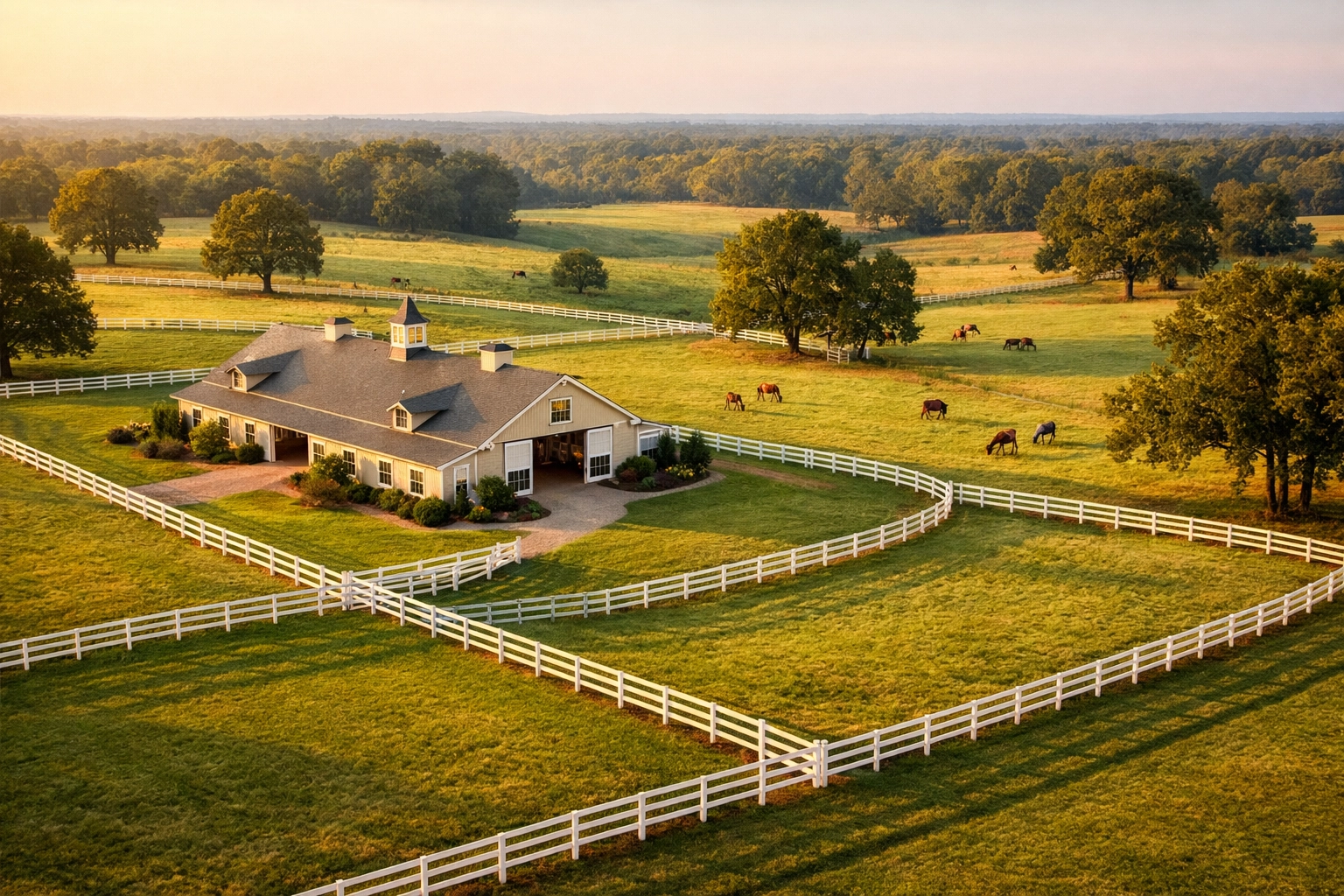
Waxhaw sits far enough south to escape the development pressure consuming northern Mecklenburg County, yet close enough to Charlotte that a feed store run or emergency vet call doesn't become an expedition. The topography rolls gently: ideal for pasture rotation without the drainage headaches that plague flatter regions.
The community infrastructure matters more than many buyers initially recognize. When your neighbors understand that 5 AM tractor noise means someone's cutting hay before the afternoon heat, not disturbing the peace, daily farm management becomes simpler. Waxhaw has that culture embedded in its identity.
Trail access deserves its own mention. Mineral Springs Greenway and Cane Creek Park offer miles of maintained trails within hauling distance, providing turnout variety that keeps both you and your horses mentally fresh. Public trail access reduces the pressure on your own pastures while expanding training opportunities.
Essential Features in Waxhaw Horse Properties
Pasture Quality and Layout
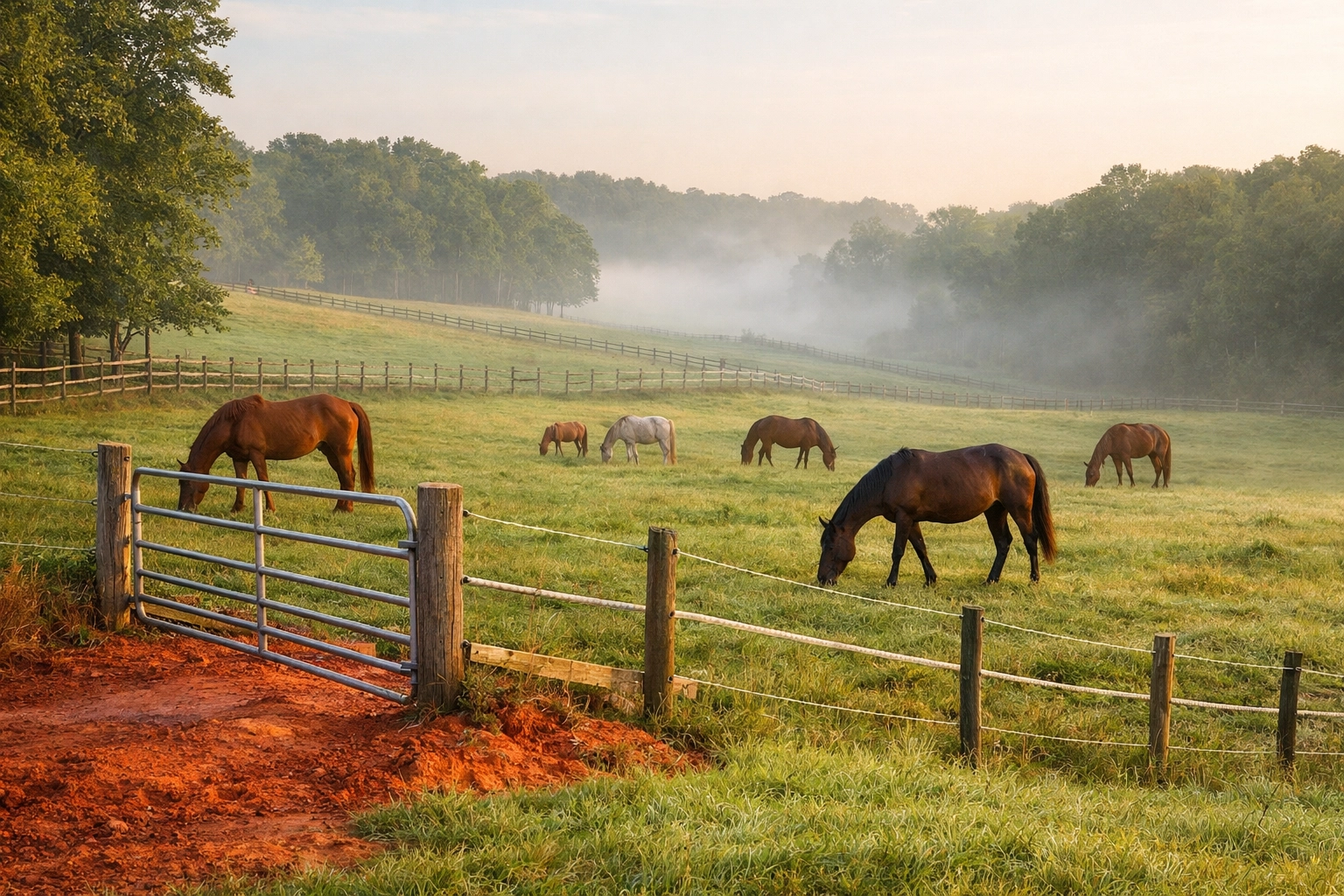
North Carolina's red clay soil can support excellent pasture if properly managed, but you need sufficient acreage for rotation. Calculate two acres per horse as your baseline, then add 30% for seasonal rest and reseeding. Properties offering established pastures with varied topography allow you to separate wet-weather turnout from summer grazing.
Look for fence lines that make sense: straight runs where possible, minimal sharp corners, and gates positioned for efficient movement between areas. Poorly planned pasture layouts cost you hours every week in unnecessary handling.
Barn Infrastructure
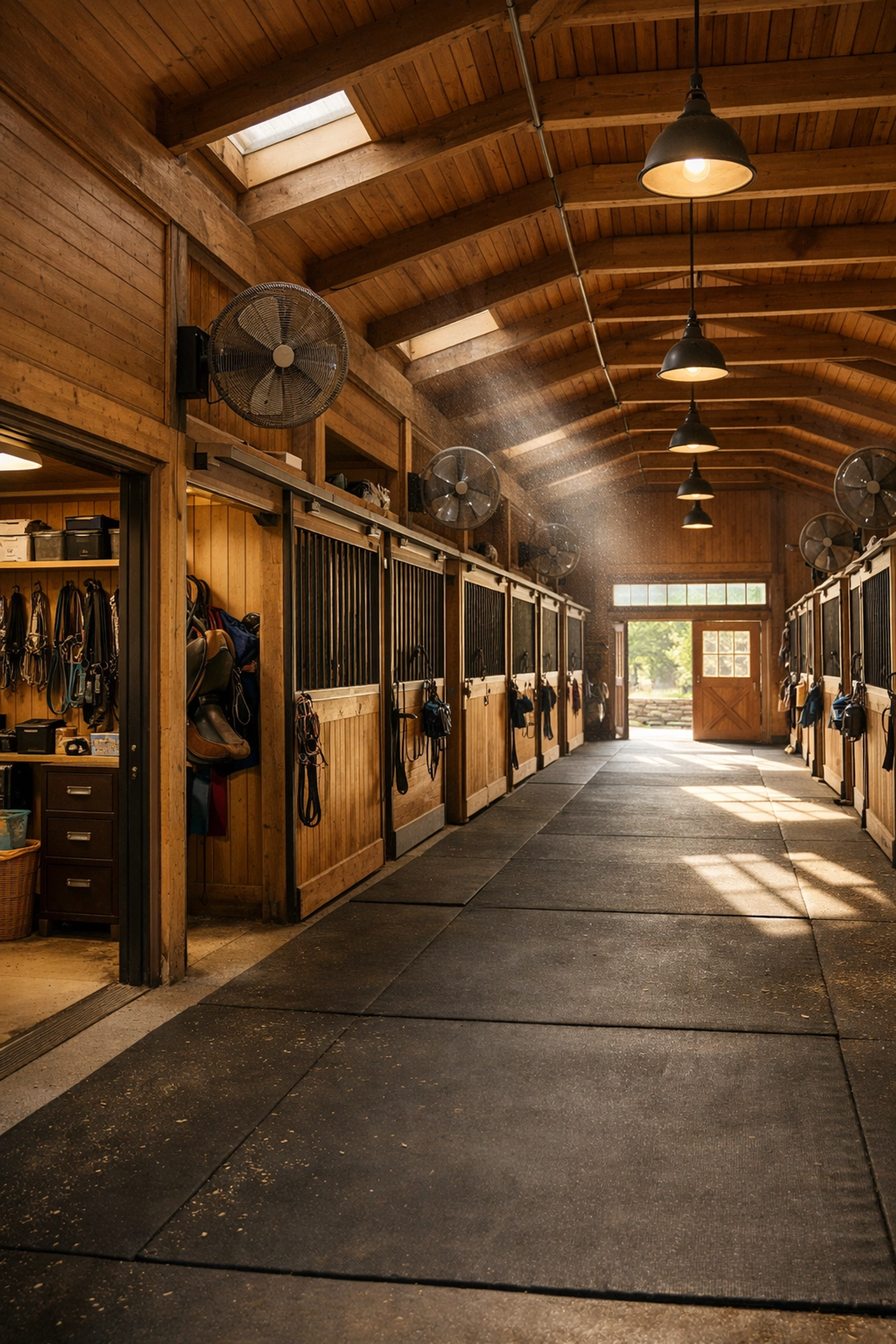
The barn tells you everything about how the previous owner operated. Well-ventilated stalls with adequate natural light, wide aisles that accommodate equipment, and thoughtful storage placement indicate someone who understood horse welfare and operational efficiency.
Center-aisle barns dominate Waxhaw listings, and for good reason: they handle North Carolina's summer humidity better than other configurations. Pay attention to roof height, electrical capacity for adding heated water buckets or fans, and whether the hay storage keeps bedding dry during our occasional wet winters.
Arena and Riding Facilities
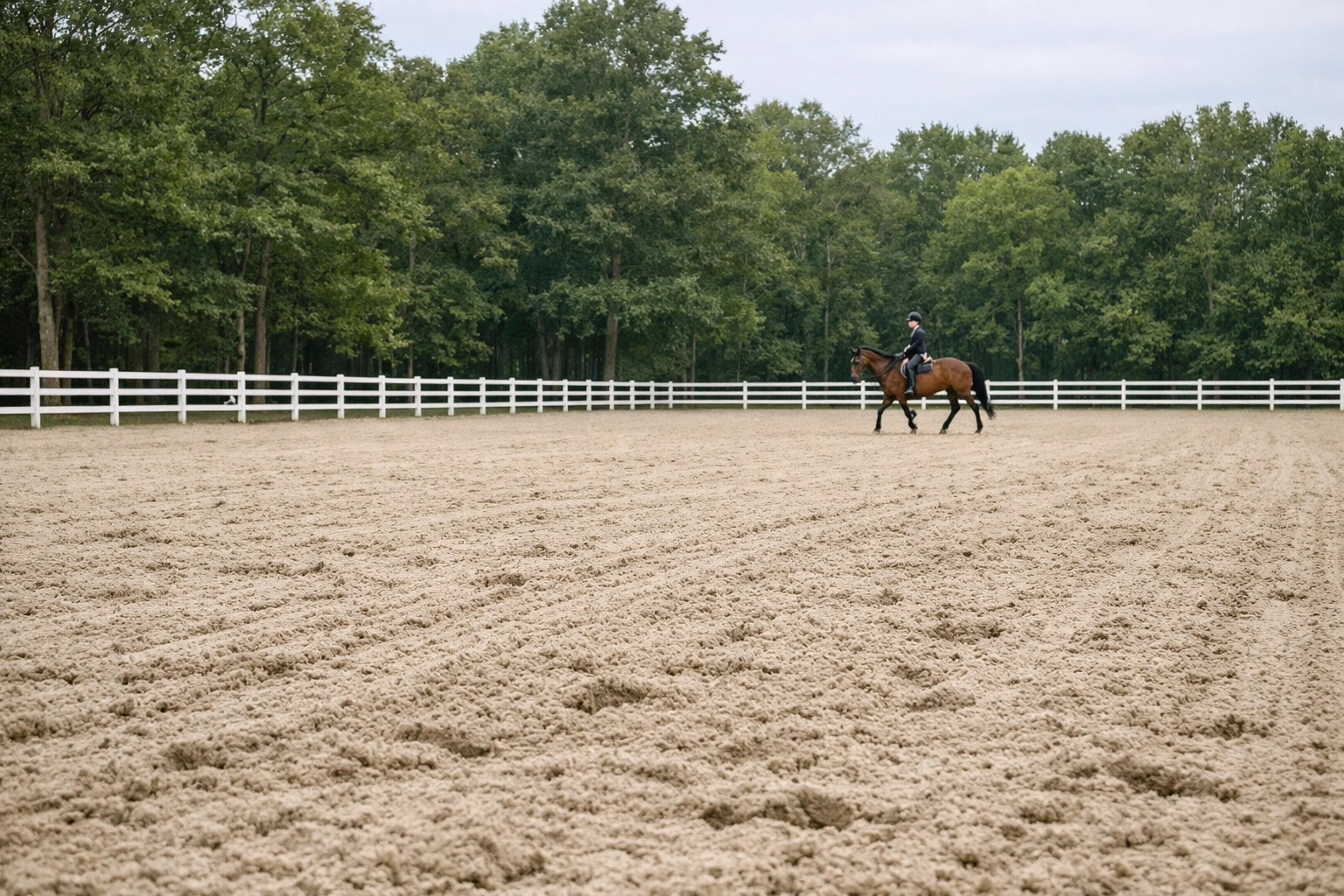
Outdoor arenas are standard in this price range; indoor arenas remain premium additions that significantly increase property values. If your discipline requires consistent daily riding regardless of weather: dressage, reining, or hunter/jumper work: prioritize properties with enclosed riding space.
Arena footing quality varies dramatically. Quality sand with appropriate drainage and regular maintenance represents a $15,000–$30,000 investment that many sellers defer. Budget accordingly if the arena needs work.
Navigating Waxhaw Neighborhoods and Zones
Union County's zoning regulations generally favor agricultural use, but specific restrictions vary by parcel. The northern sections closer to Highway 16 see more residential development pressure, while areas south toward the South Carolina border maintain stronger agricultural protection.
Properties along Cuthbertson Road and Potter Road corridors offer established equestrian communities where boarding operations, training facilities, and private farms coexist comfortably. The social network matters: knowing which farms can take your horses during emergencies or which trainers hauling to regional shows have extra trailer space creates operational resilience.
Check deed restrictions carefully. Some newer developments include covenants limiting commercial boarding or breeding operations, even when county zoning permits them. If your business model requires client horses on property, verify all restrictions before committing.
Financial Considerations Beyond the Purchase Price
Operating Costs
Property taxes in Union County run lower than Mecklenburg, but water and septic systems sized for farm operations cost more to maintain. Budget $800–$1,500 monthly for utilities, basic maintenance, and property upkeep before adding horse-specific costs like feed, bedding, and farrier services.
Improvement Planning
Most buyers need to invest in improvements within the first two years. Whether that's upgrading fencing, expanding the barn, or adding arena lighting, plan for 10–15% of purchase price in near-term capital improvements. Properties priced at market already reflect deferred maintenance: you'll handle those items yourself.
Income Potential
If boarding income factors into your financial model, understand Union County's competitive landscape. Full-care board rates range from $450–$750 monthly depending on amenities. Properties supporting 8–12 client horses can generate meaningful offset against mortgage and operating costs, but success requires genuine facility management commitment: not just spare stalls.
Due Diligence That Protects Your Investment
Soil and Water Testing
Before closing, test well water quality and flow rates. Wells supporting multiple horses and automatic waterers need 5–10 GPM minimum. Soil testing reveals pH, nutrient levels, and contamination history, which determines your pasture establishment costs.
Septic and Drainage Assessment
Confirm septic system capacity matches property use. Systems designed for residential occupancy may not handle barn restrooms or wash stalls. Poor drainage destroys pastures: walk the property after heavy rain and identify low areas that hold water.
Infrastructure Inspection
Beyond standard home inspections, evaluate barn electrical systems, arena drainage, and fence condition professionally. A specialized equestrian property inspector costs $500–$800 but identifies issues that standard residential inspectors miss.
Making Your Move: Practical Next Steps
Start by clarifying your non-negotiables. How many horses do you currently own? Do you plan to breed, board, or simply maintain private facilities? Does your training schedule require an indoor arena, or will you haul during bad weather? Honest answers to these questions eliminate properties that won't serve your actual program.
Tour properties during different weather conditions if possible. That gorgeous pasture in July may become a mud pit in February. Morning visits reveal drainage issues and barn workflow that afternoon showings conceal.
Work with representation that understands equestrian properties specifically. General residential agents often miss critical barn and pasture issues that seem minor but cost tens of thousands to remedy. The right agent asks about your turnout philosophy and hay storage needs before discussing kitchen finishes: because that's what actually matters to your daily operation.
Why Waxhaw Continues Attracting Serious Horsemen
The combination of usable land, established equestrian culture, and relative affordability compared to northern Charlotte markets creates lasting value. Development pressure remains manageable, protective zoning preserves agricultural use, and the community actively supports equestrian businesses through local shows, clinics, and cooperative marketing.
Waxhaw doesn't offer the cachet of Tryon's international scene or the manicured estates dotting Weddington. What it provides instead is honest horse country where your operation can function efficiently, your investment holds value, and your neighbors speak the same language: because they're out doing morning feed checks at the same ungodly hour you are.
The properties exist. The market remains active but not overheated. The question becomes whether you're ready to move from browsing listings to actually building the equestrian life you've been planning.
Ready to explore what's currently available? View our current equestrian property listings or reach out to discuss your specific requirements: because finding the right horse property isn't about settling for what's available, it's about recognizing what works when you see it.

