

There's a reason serious equestrians keep coming back to Waxhaw. The land still has space to breathe. The soil drains well. And you can trailer to Tryon or Charlotte with equal ease. If you're searching for horse farms for sale in the Charlotte Metro area, Waxhaw isn't just another suburb with a few acres: it's a community that still understands what horses need.
The Waxhaw Equestrian Market: What You're Working With
The current inventory tells a practical story. Seventeen to forty-three equestrian properties are actively listed in Waxhaw, with an average listing price around $539,000 and land pricing at approximately $50,005 per acre. That range matters because it means options exist whether you're bringing two retirees or running a professional training operation.
Properties span from $295,000 to $1.5 million, typically offering 2 to 7+ acres. The sweet spot for most buyers falls between 5 and 10 acres: enough room for proper turnout rotation, a functional arena, and separation between living and barn areas without overwhelming maintenance demands.
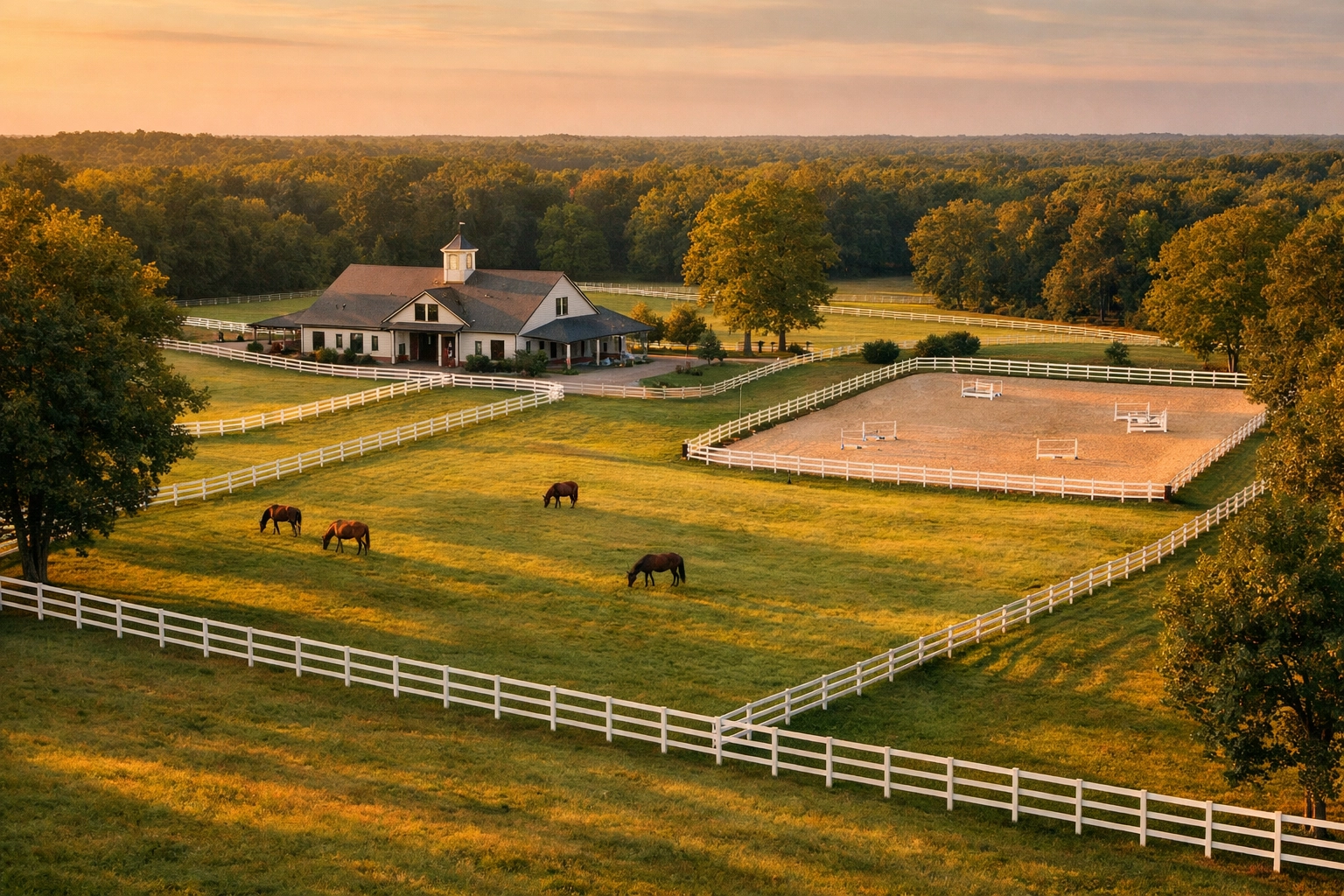
Individual listings vary widely in configuration. You'll find everything from modest setups with run-in sheds and basic fencing to established facilities featuring lighted arenas, multi-stall barns with attached tack rooms, and automated watering systems. The key is matching infrastructure to your actual program, not aspirational plans that may never materialize.
What Separates a Good Horse Farm from a Money Pit
Walk enough properties and patterns emerge. The Waxhaw farms that function well: the ones where horses stay sound and owners stay sane: share specific characteristics.
Pasture quality and drainage matter more than barn aesthetics. North Carolina clay can be unforgiving during wet seasons. Look for properties with established pastures that show proper drainage patterns, minimal standing water, and evidence of rotational grazing. Compacted soil and sparse grass signal future headaches, regardless of how impressive the barn looks.
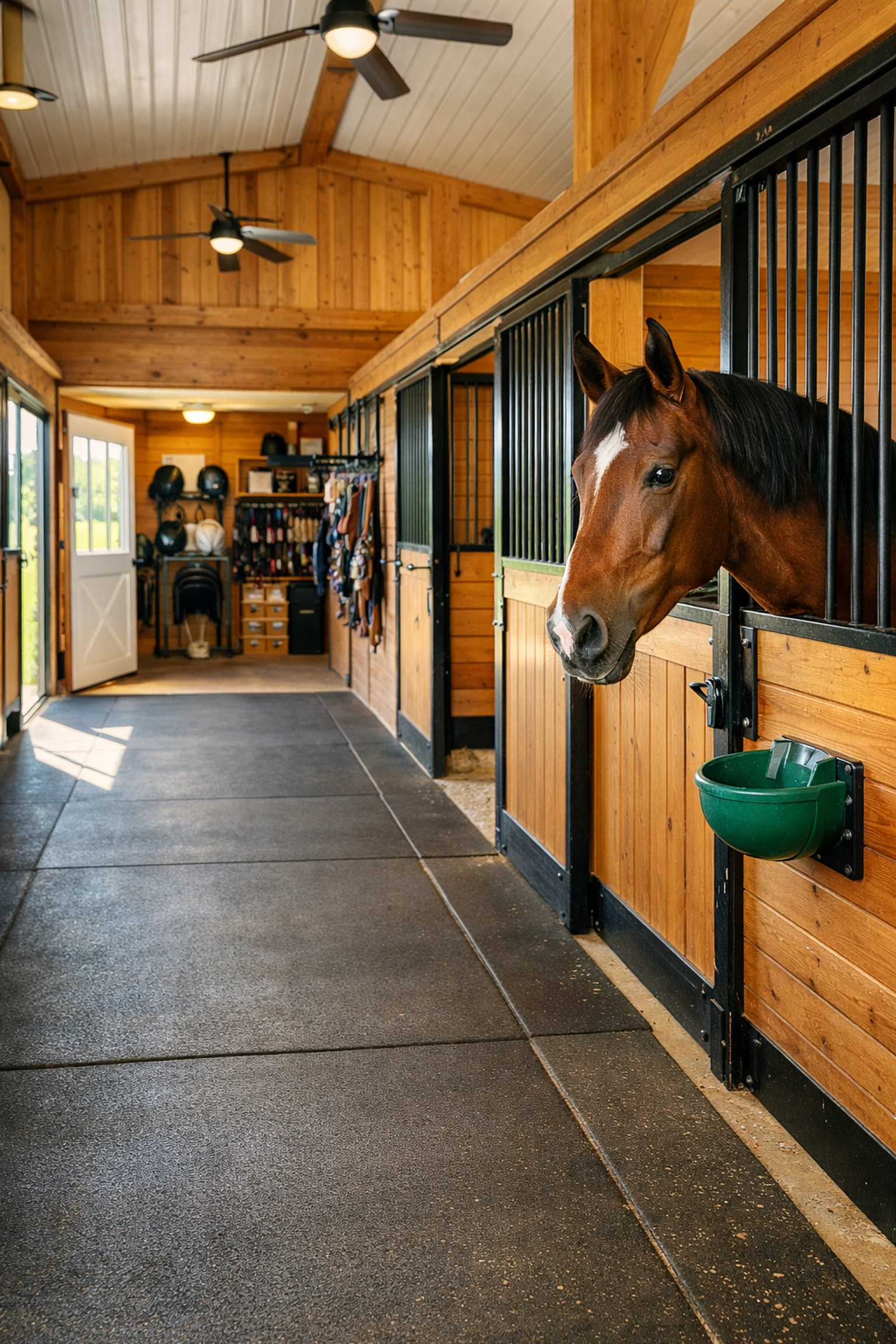
Barn placement and orientation affect daily workflow and horse comfort. The best setups position barns to maximize natural ventilation while providing protection from prevailing winds. Southern or southeastern exposures help manage summer heat. Direct access from barn to pastures eliminates the dangerous chore of leading multiple horses across driveways or through gates.
Arena footing and maintenance access determine whether your riding space becomes an asset or an abandoned expense. A well-constructed 50' × 125' arena with proper base, footing material, and drainage will serve you for years. Inadequate base preparation creates an ongoing financial drain. Verify water access for dust control and equipment access for periodic harrowing.
Fencing type and condition directly impact safety and replacement costs. Waxhaw properties typically feature board fencing, field fencing, or electrified tape systems. Board fencing offers classic aesthetics but requires consistent maintenance. Wire is economical but demands vigilant inspection. Whatever the material, confirm corner posts are properly braced and gates function smoothly under daily use.
The Waxhaw Advantage: Location Without Compromise
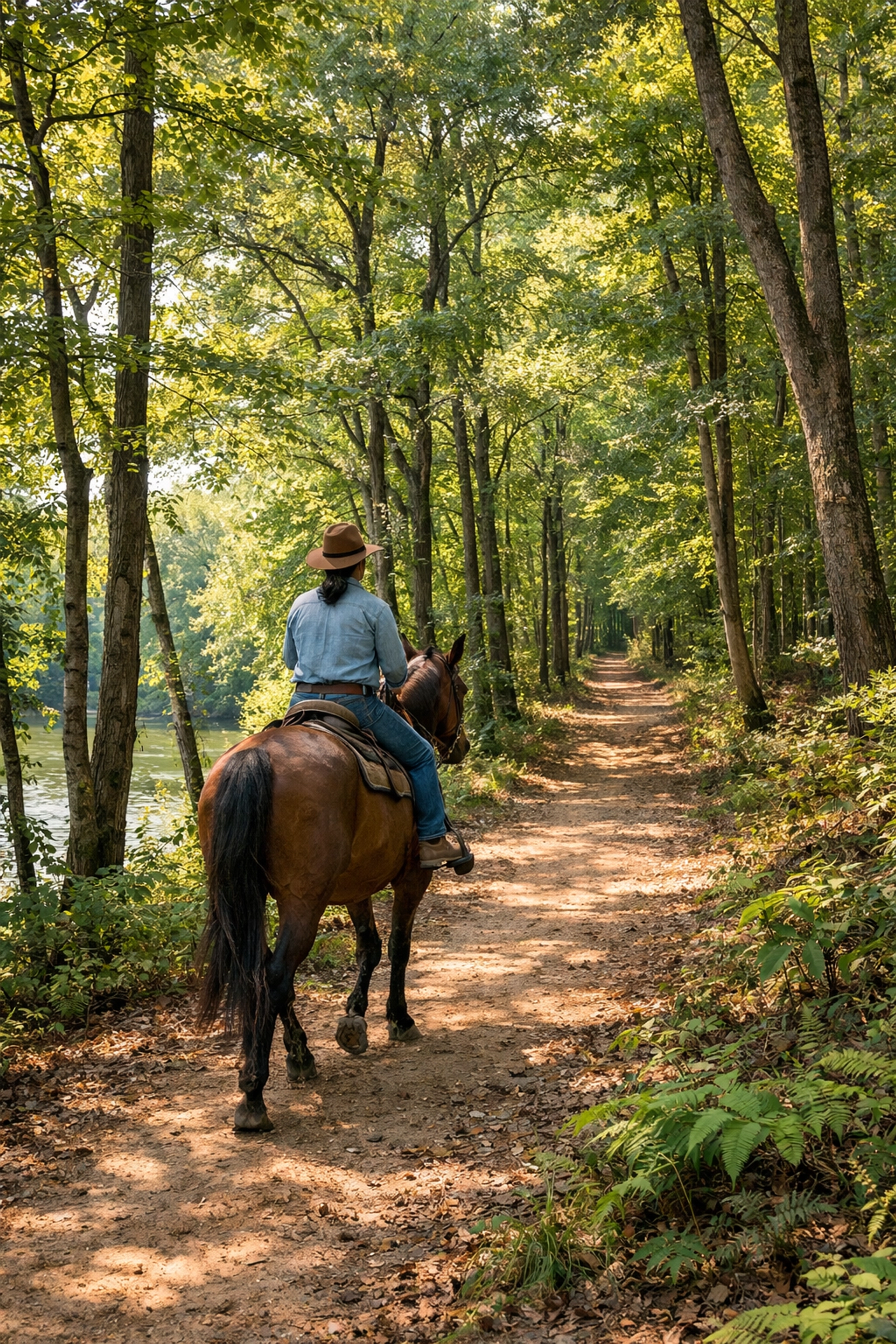
Union County's equestrian infrastructure distinguishes it from generic rural acreage. Cane Creek Park encompasses 1,100 acres with established trails suitable for conditioning work and pleasure riding. The Mineral Springs Greenway provides additional access to trail systems without the liability of riding along roadways.
This proximity to maintained trail systems matters for several reasons. Training programs benefit from varied terrain that develops different muscle groups and mental engagement. Young horses gain exposure to natural obstacles and environmental stimuli in controlled settings. And frankly, trail access keeps riding interesting when arena work becomes monotonous.
The geographic positioning offers practical advantages beyond recreation. Waxhaw sits close enough to Charlotte for veterinary specialists, feed suppliers, and equine services while maintaining the rural character that makes horse keeping viable. Major equestrian events at the Tryon International Equestrian Center remain accessible without the premium pricing of properties in Polk County.
Zoning and Regulatory Considerations in Union County
Union County zoning permits agricultural use on suitable acreage, but specifics matter. Verify permitted number of horses per acre, setback requirements for structures, and any homeowner association restrictions before making offers.
Some properties fall within subdivisions that appear equestrian-friendly but carry covenants limiting commercial instruction, breeding operations, or the number of horses owned by non-residents. If your plans include boarding, lessons, or training for clients, confirm these activities align with both county regulations and any applicable HOA rules.
Septic capacity becomes relevant for larger operations. County health departments regulate waste management, and properties supporting multiple horses may require agricultural waste management plans. This isn't necessarily prohibitive, but it's information you need before closing.
Infrastructure That Actually Supports Horse Operations
The difference between a property listed as "equestrian" and one that functions as a legitimate horse farm often comes down to utility infrastructure.
Electrical capacity determines whether you can add heated water buckets in winter, run arena lights for evening riding, or install climate-controlled tack rooms. Many older properties have undersized panels that require expensive upgrades to support modern equestrian needs.
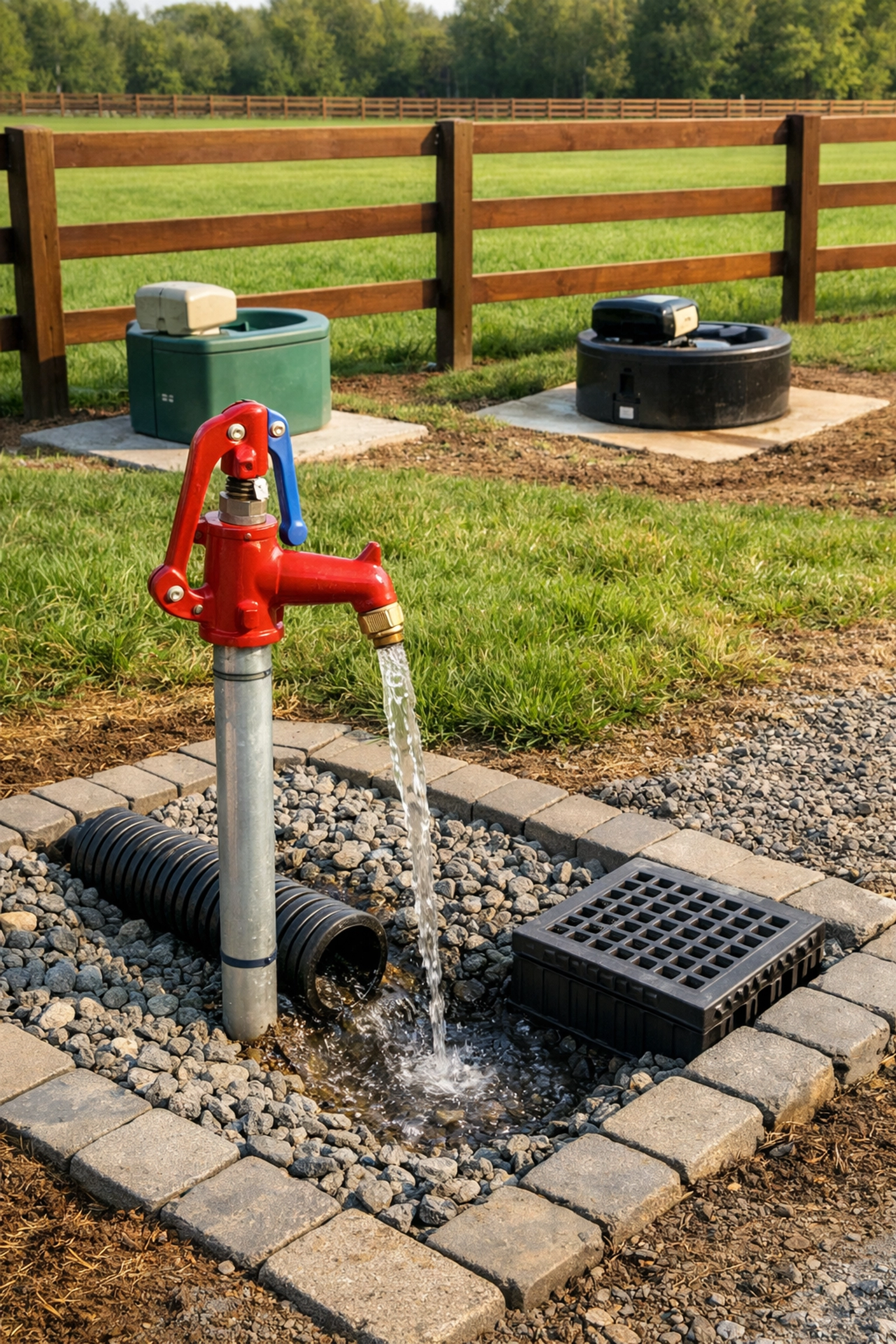
Water delivery systems affect daily chores and emergency preparedness. Automatic waterers save time but require proper installation and winterization. Frost-free hydrants positioned strategically throughout the property enable efficient watering during turnout and cleaning routines.
Equipment storage and maintenance areas separate functional farms from residential properties with a few horses. Hay storage requires covered space with adequate ventilation. Manure management needs dedicated areas with proper screening and access for removal services or composting systems.
Making the Move: Timeline and Process Considerations
Equestrian property transactions typically require longer due diligence periods than standard residential sales. Schedule property visits during different weather conditions to observe drainage patterns. Bring your farrier or trainer to evaluate practical aspects that general home inspectors miss.
Specialized inspections should address well water quality and quantity, septic system capacity, soil testing for pasture management, and structural integrity of barns and fencing. These assessments cost more upfront but prevent expensive surprises after closing.
Financing equestrian properties sometimes requires lenders familiar with agricultural or specialty property valuations. Properties over certain acreage thresholds or with significant farm income potential may qualify for specialized loan products with favorable terms.
The Waxhaw Equestrian Community
Beyond the real estate metrics, Waxhaw maintains an active equestrian culture. Local trainers, boarding facilities, and riding clubs create the support network that makes horse ownership sustainable long-term. The community includes both professionals operating competitive programs and recreational riders who value quality facilities without show-circuit pressures.
This matters more than many buyers initially recognize. Equestrian properties succeed or fail based not just on physical infrastructure but on access to veterinarians, farriers, feed suppliers, and other horse owners who understand the commitment involved.
Your Next Steps
Finding the right horse farm in Waxhaw requires balancing location, land quality, existing infrastructure, and financial parameters. The current market offers legitimate inventory across price points, but properties that check all boxes move quickly.
If you're ready to explore equestrian properties in the Charlotte area, working with specialists who understand both horses and North Carolina real estate makes the process considerably more efficient. We know which listings warrant serious consideration and which represent projects beyond most buyers' realistic capacity.
The right property exists. The question is whether you're prepared to recognize it when you walk the land, assess the facilities, and envision your program taking root in Waxhaw's equestrian community. When you're ready for that conversation, we're here to help.


