

Twenty minutes south of Charlotte's bustle, Waxhaw offers something increasingly rare in the metro area: genuine horse country with infrastructure that actually works. The red clay soil drains well enough for year-round turnout, the zoning protects agricultural use, and you can still find properties where your nearest neighbor isn't complaining about your 6 a.m. feeding schedule.
If you're serious about keeping horses: not just owning a "farm" as a status symbol: Waxhaw deserves your attention.
The Current Waxhaw Equestrian Market: What You're Actually Looking At
The market here moves differently than suburban Charlotte. With over 40 active equestrian property listings and average land costs around $50,000 per acre, you're paying for established infrastructure and functioning horse amenities: not potential or promises.
The pricing structure reflects genuine value rather than speculation. Entry-level properties with basic facilities start around $295,000, while turnkey operations with modern barns, quality fencing, and proper drainage systems range from $500,000 to $750,000. Luxury equestrian estates with indoor arenas, breeding facilities, or significant acreage reach $1.5 million and beyond.
What matters more than price brackets is this: most properties for sale here were built by horse people for horses. You can tell within five minutes of walking a property whether someone understood rotation schedules, had a farrier visit regularly, and actually mucked their own stalls.
Union County Zoning: Why It Actually Protects Your Investment
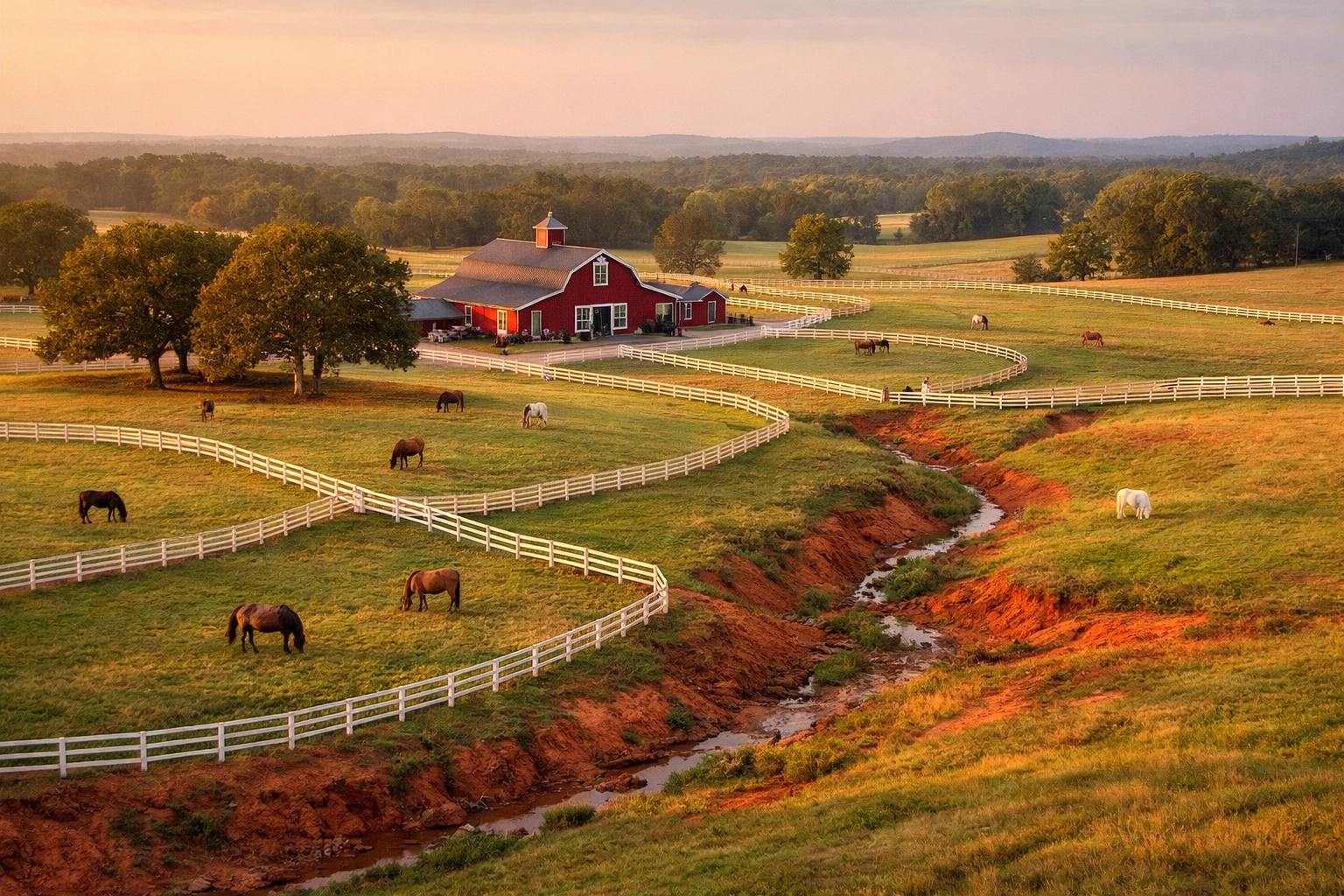
Waxhaw sits in Union County, where agricultural zoning still means something. You can keep horses on residential parcels of sufficient size without jumping through conditional-use hoops. Your property taxes reflect agricultural use rates if you're legitimately farming or boarding. And your neighbors likely chose this area for the same reasons you did.
The county regulations allow for farm businesses: boarding, training, breeding: without the restrictions you'll encounter in Mecklenburg County's more developed areas. If you plan to operate a training facility or run a breeding program, the regulatory environment here supports rather than fights your goals.
What Makes a Property Work for Horses: The Non-Negotiables
Forget the Pinterest barn photos for a moment. A functional horse property in Waxhaw requires three fundamentals: proper drainage, adequate fencing, and logical layout.
Drainage determines whether you'll ride through winter or watch your arena turn into a lake. The red clay here holds moisture, so quality properties feature French drains around barn areas, graded paddocks that move water away from gates, and arena footing that doesn't turn to soup in April.
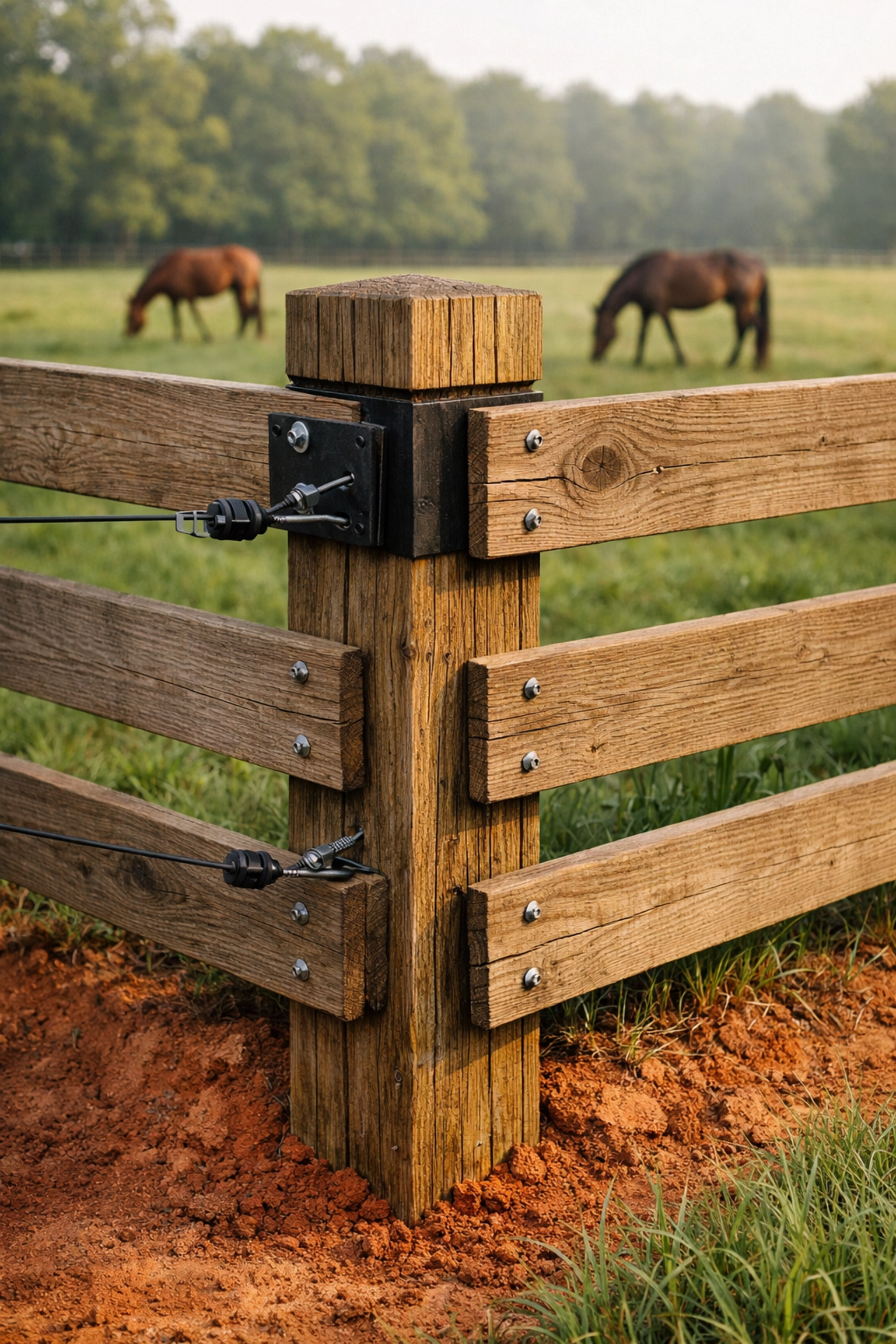
Fencing separates hobby farms from serious operations. Look for four-board oak or quality no-climb wire: properly tensioned, with corners that won't fail when your mare tests them. Cheap T-posts and wire won't survive the first summer storm.
Layout efficiency saves you hours weekly. Barn access from multiple paddocks, water sources that don't require dragging hoses 200 yards in August, hay storage that keeps moisture out but allows tractor access: these details matter more than granite countertops in the house.
The Neighborhoods Horse People Actually Choose
Certain pockets of Waxhaw attract equestrian buyers for good reasons beyond marketing copy. Cureton, Walnut Creek, Lawson, and Millbridge see consistent horse property activity because they offer larger parcels, fewer HOA restrictions, and neighbors who understand that tractors sometimes run early.
The Valley Farm Community specifically caters to equestrian residents, with properties designed around horse keeping from the planning stage. You'll find homes here with integrated barn facilities, properly sized and fenced pastures, and trail access: not hobby farms with three acres and a run-in shed marketed as "equestrian estates."
Break Away Farm in Valley Farm represents what a serious facility looks like: 10+ acres with four properly sized pastures, a functional 4-stall barn with hay loft storage, a lit 50' × 125' arena with irrigation, and run-in sheds where they're actually needed. This property wasn't decorated with horse amenities: it was designed around them.
Trail Access: Why Cane Creek Park Changes Everything
One thousand one hundred acres of riding trails ten minutes from your barn transforms a property from adequate to exceptional. Cane Creek Park provides the conditioning space, terrain variety, and off-property riding access that serious riders need.
The Mineral Springs Greenway adds additional trail options for hacking out younger horses or cooling down after arena work. This infrastructure matters tremendously if you're training, foxhunting, or simply trying to keep your horses mentally sound through winter.
Properties with direct trail access or proximity to Cane Creek command premiums: and they should. The alternative is hauling to ride, which means many horses don't get ridden, which means soundness issues, behavioral problems, and the slow decline of fitness that kills performance.
Price Per Acre: Understanding Real Value
The $50,000 per acre average in Waxhaw tells you something important: you're paying for functional land with horse infrastructure, not raw acreage. Compare this to outer rural counties where land runs $10,000 per acre but requires $150,000 in improvements before you can safely turn out horses.
Smart buyers calculate total cost to operation, not just purchase price. A $600,000 turnkey facility with quality fencing, proper drainage, and a sound barn beats a $400,000 property that needs $200,000 in immediate infrastructure work: because that second scenario actually costs more and takes two years of construction headaches to reach functionality.
Properties priced below market often signal deferred maintenance, drainage problems, or zoning complications. Properties priced at premium reflect quality improvements that save you money and misery over time.
Barn Facilities: What You Actually Need vs. What Looks Good
The Instagram-perfect barn with chandelier lighting and heated tack rooms photographs beautifully but might function terribly. What matters: solid construction that withstands humidity, adequate ventilation that prevents respiratory issues, and stall sizes that allow horses to lie down comfortably.
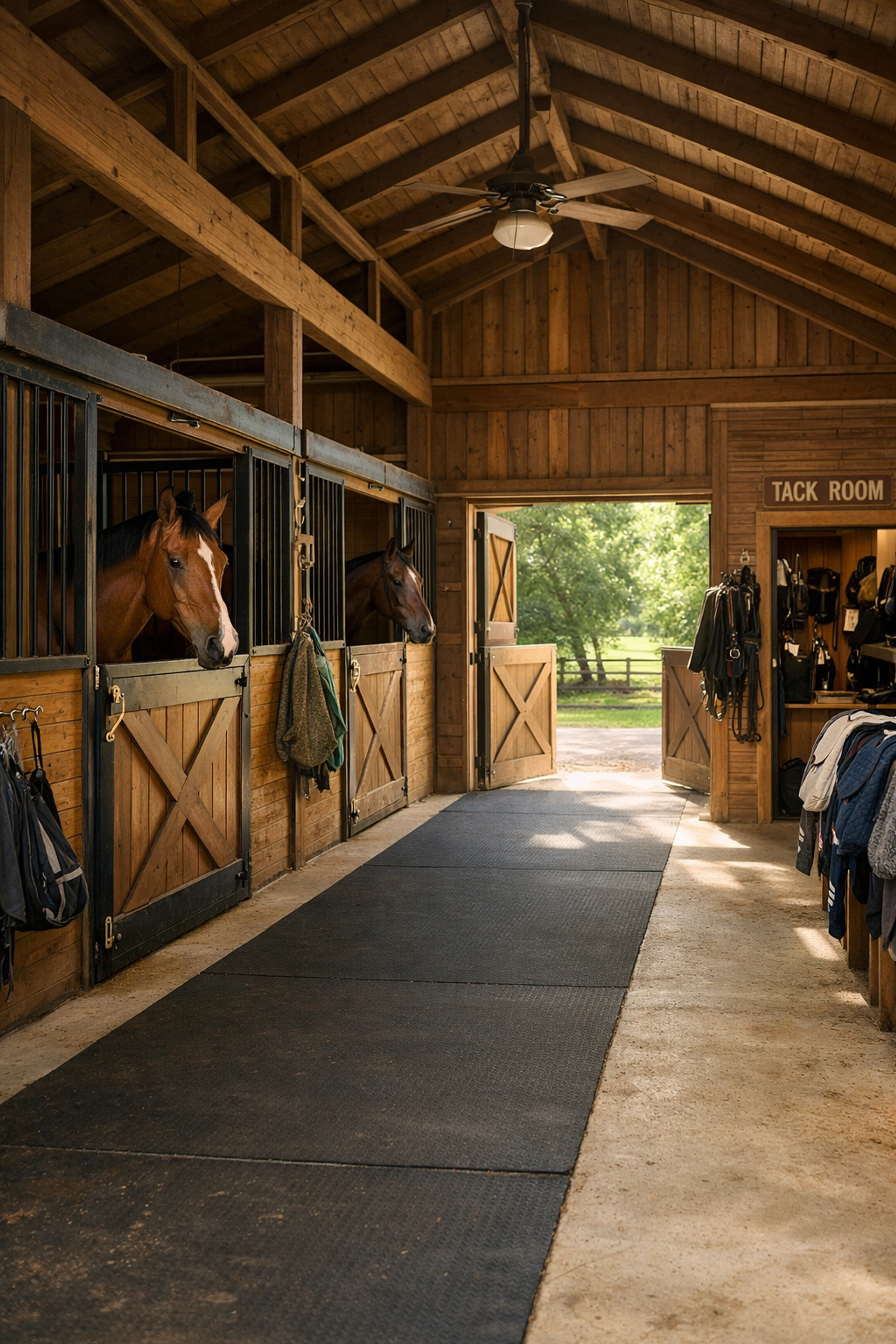
A quality 4-stall barn with proper dutch doors, rubber-matted aisles, and separate hay storage outperforms an 8-stall showcase barn with poor ventilation and stalls too small for a 16-hand horse to roll. Most working barns in Waxhaw feature center aisle designs with 12×12 stalls minimum, tack rooms that stay dry, and wash racks positioned for proper drainage.
Equipment storage matters more than buyers initially recognize. If you're maintaining pastures, building jumps, or stockpiling hay, you need covered space for tractors, implements, and supplies. Four-bay equipment sheds aren't luxuries: they're maintenance necessities.
The Pasture Question: Acreage Math for Your Horses
Two horses per acre assumes managed grazing, rotation schedules, and supplemental feed. One horse per acre provides more realistic stocking density for North Carolina's growing season and your sanity.
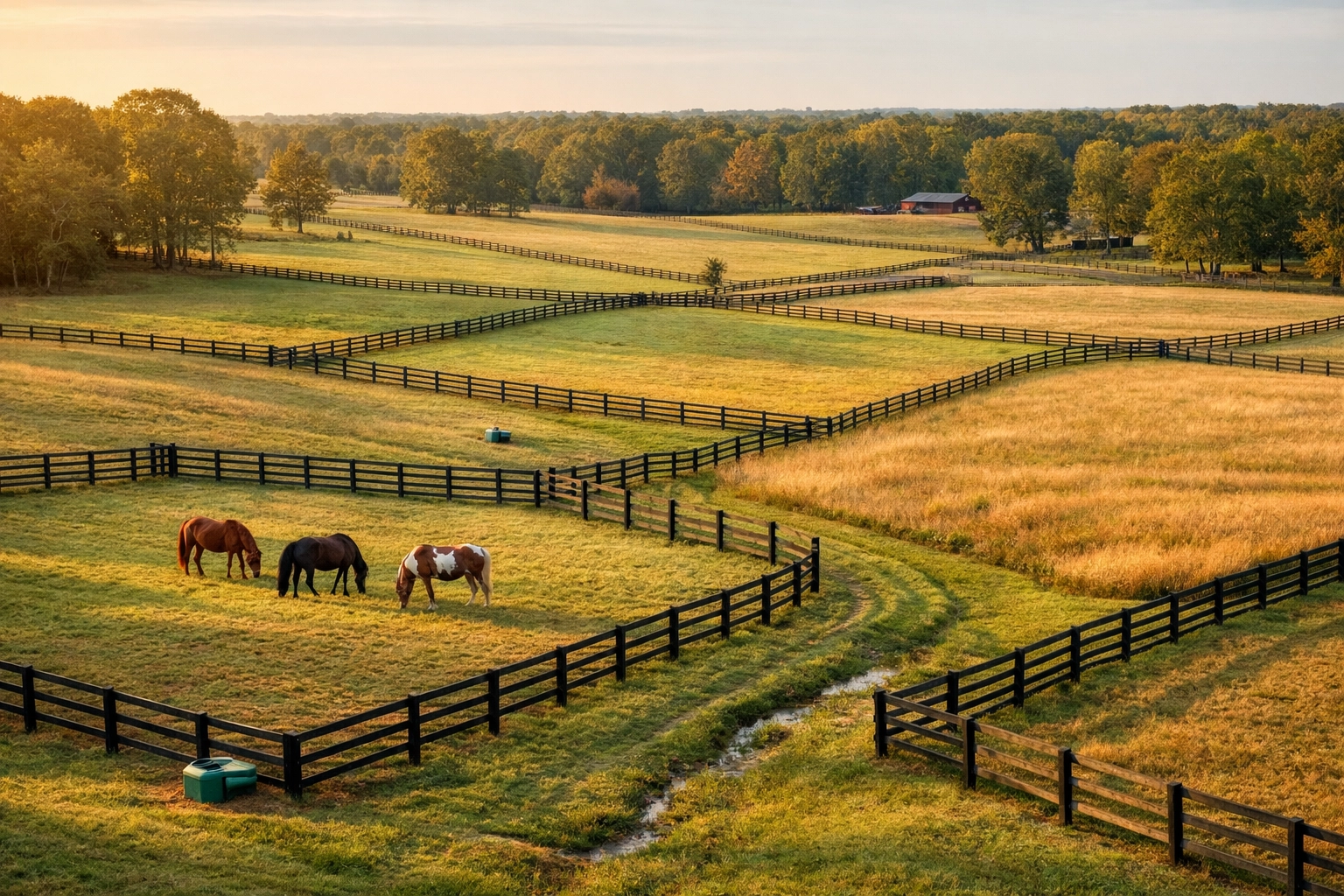
Quality properties feature multiple pastures allowing rotation: not single large fields that become mud pits near gates and overgrazed near water sources. Look for properties with at least three separate turnout areas so you can rest pastures, segregate horses by temperament, and maintain some green grass through summer.
The best operations include sacrifice paddocks near the barn for muddy months, reducing wear on primary pastures when grass won't recover from traffic. This one feature signals an owner who understood horse keeping beyond aesthetics.
What to Look for During Property Visits
Walk every fence line before you fall in love with the view. Check tension, corner integrity, and whether gates actually function or require three people and prayer. Inspect barn stalls during rain to identify roof leaks and drainage problems. Test water sources in all pastures: many properties feature decorative automatic waterers that haven't functioned in years.
Ask about septic system locations relative to pastures. Request well testing results if the property uses well water for barn operations. Identify where manure gets managed: properties without designated composting areas signal owners who likely piled manure wherever convenient, potentially contaminating soil you'll need for pasture.
Notice trailer access and turnaround space. If you're hauling regularly for shows, clinics, or veterinary care, can you actually maneuver a truck and trailer without fifteen-point turns?
Making Your Move: The Practical Next Steps
The Waxhaw equestrian market rewards buyers who act decisively on quality properties while moving carefully past superficially attractive listings with fundamental flaws. Quality facilities sell quickly because serious horse people recognize functional infrastructure when they see it.
If you're ready to explore what Waxhaw offers, start by clarifying your actual needs versus Pinterest dreams. How many horses? What disciplines? Will you operate a business or keep horses privately? These answers determine which properties deserve your time.
Carolina Horse Farm Realty specializes in connecting buyers with properties that actually work for horses: not just properties marketed toward equestrians. We understand the difference between a run-in shed and proper shelter, between adequate fencing and future veterinary bills, and between properties that photograph well and properties where horses thrive.
Visit our current listings to see what's available, or contact our team to discuss your specific requirements. We work with buyers who take horse keeping seriously: and we know where the functional properties are.

