

If you've been searching for the right place to build your equestrian life: where your horses have room to breathe, your facilities can grow with your program, and you're still close enough to Charlotte for veterinary care and feed runs: Waxhaw deserves your attention.
This isn't another cookie-cutter suburb pretending to be horse country. Waxhaw has protected farmland, genuine working barns, and a community that understands the difference between a paddock and a pasture. The market here offers real options, from starter farms to established training facilities, all within reach of trails, shows, and the infrastructure that keeps horses healthy and programs running smoothly.
What the Current Market Actually Looks Like
As of early 2026, Waxhaw's equestrian real estate market maintains 17 to 45 active horse property listings depending on the platform, with an average listing price of $539,000 and land averaging $50,005 per acre. This isn't speculation: these are working numbers from current inventory.
The range is wide: you'll find listings from $295,000 for smaller acreage up to $1,500,000 for turn-key estates with full facilities. That spread matters because it means options exist whether you're bringing three personal horses or running a boarding operation.
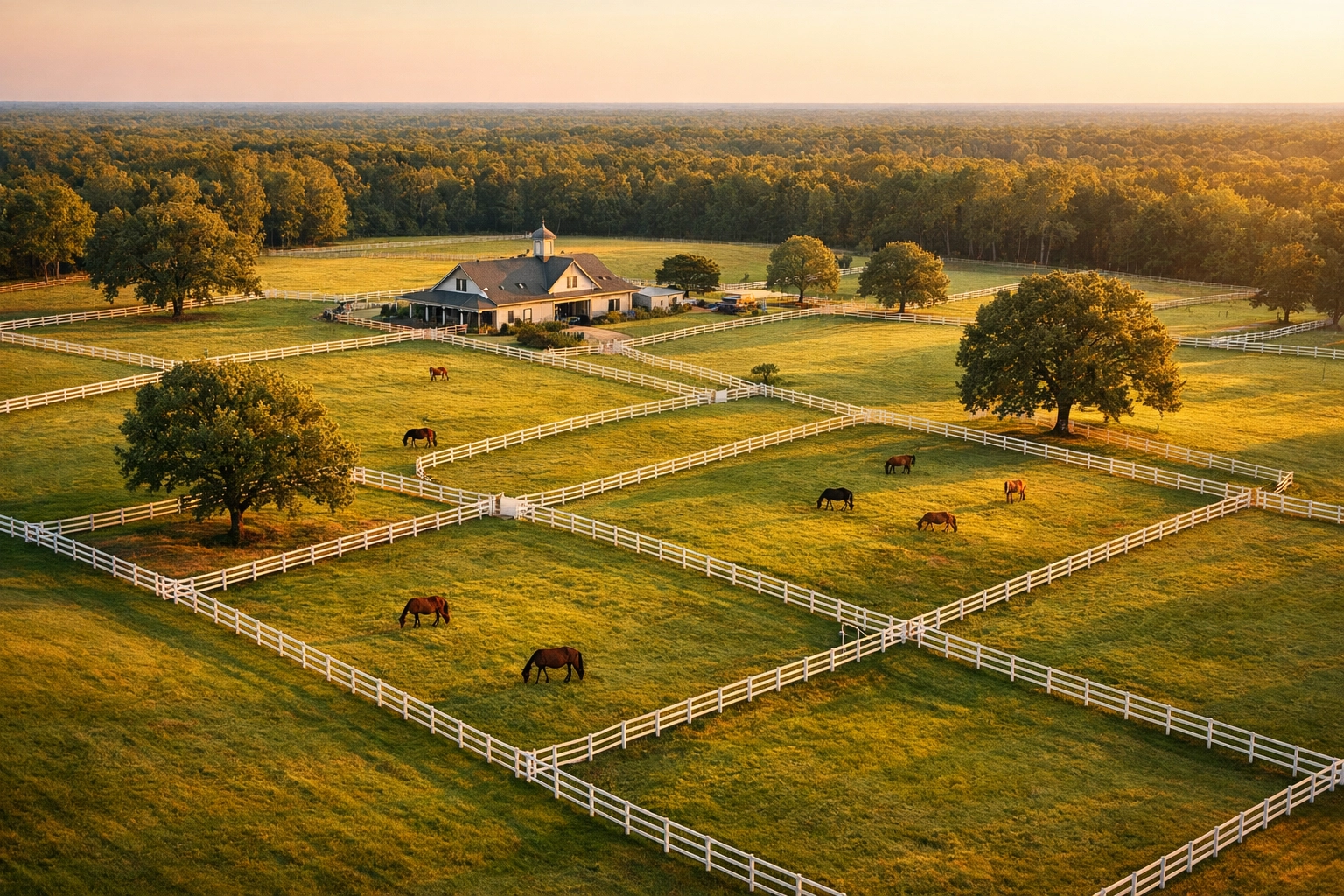
Why Waxhaw Works for Horse People
Geography matters when you're hauling to shows at 5 a.m. or waiting for an emergency vet call. Waxhaw sits in Union County, approximately 25 miles southeast of Charlotte: close enough for access to Carolina Equine Hospital and quality feed suppliers, far enough that land prices haven't been completely consumed by residential sprawl.
The soil here drains better than the red clay you'll fight closer to Charlotte proper. Summers are humid (you know this if you've ever clipped a horse in July), but winter rarely shuts down riding for more than a few days. Hay grows well. Pastures recover. These aren't small considerations when you're calculating long-term farm viability.
Access to riding space extends beyond your property line. Cane Creek Park offers 1,100 acres with established riding trails less than 15 minutes from most Waxhaw farms. Mineral Springs Greenway provides additional trail access. This matters when you need to vary terrain for conditioning or when you want to get young horses out beyond the arena.
Property Categories You'll Actually Encounter
Land-Only Parcels (2-10 Acres)
Currently listed from $295,000 to $450,000, these properties appeal to buyers who want to build exactly what they need. You'll find parcels ranging from 2.1 acres to 5+ acres, some with percolation tests completed, others requiring site work.
What to verify: Soil composition for arena footing, drainage patterns during heavy rain, access to three-phase power for barn electrical, and county requirements for agricultural exemptions.
Starter Farms with Existing Facilities (5-15 Acres)
The $500,000 to $750,000 range typically includes a residence, 3-6 stall barn, run-in shed, and basic fencing. These properties work for riders transitioning from boarding or small breeders starting a program.
Look past cosmetic updates. Focus on barn foundation, roof condition, pasture rotation capability, and whether the water system can handle additional stalls if you expand.
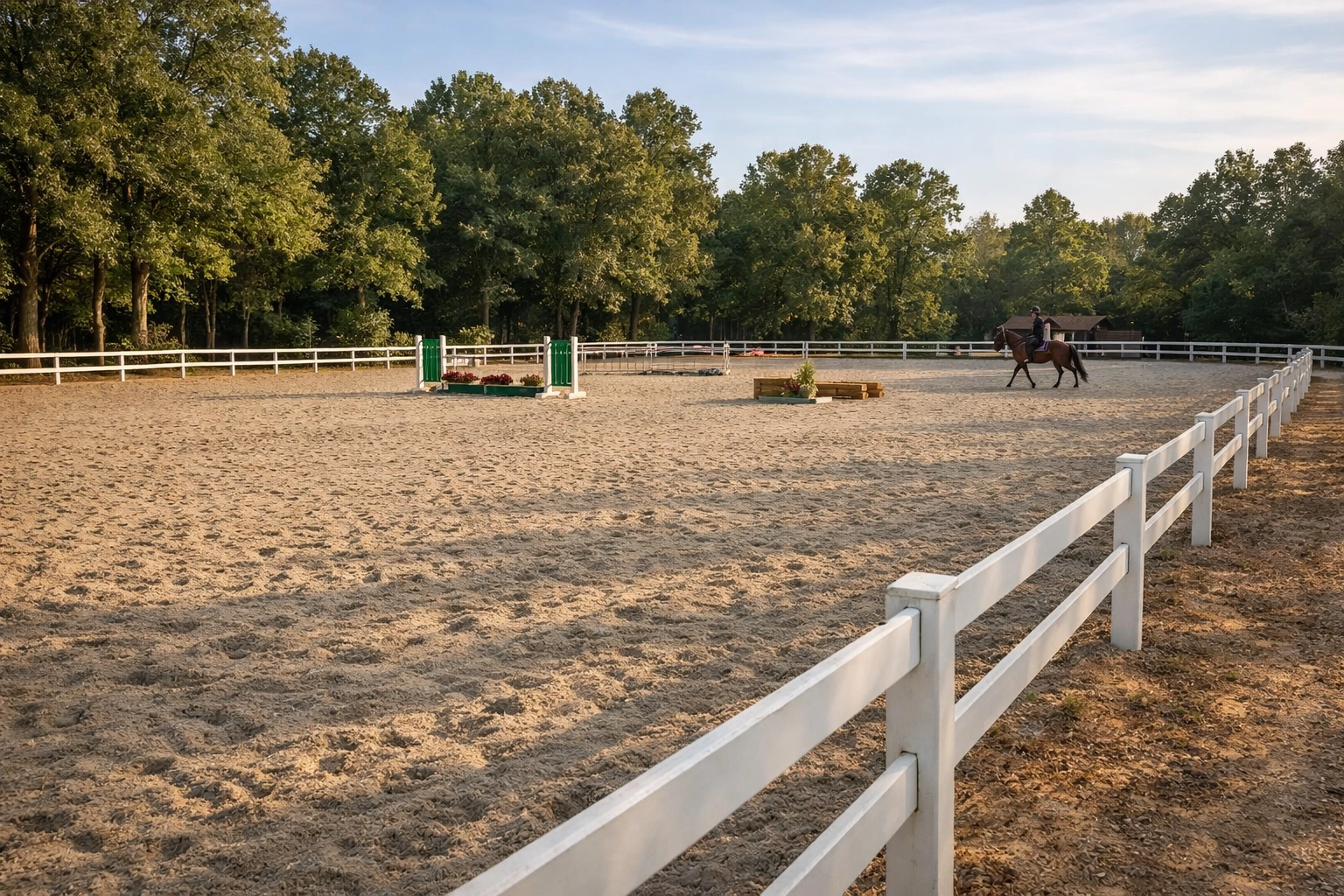
Established Training Facilities (15-50 Acres)
Properties listed from $950,000 to $1,500,000 in this category come with infrastructure: indoor or covered arenas, 10+ stall barns with tack rooms and wash racks, multiple turnout areas, and storage for equipment and hay.
Break Away Farm, a recent listing, exemplifies this category with 10+ acres featuring four pastures, a 4-stall barn with hay loft, equipment shed, and a lighted 50' × 125' arena with irrigation. Trinity Ridge Farm represents the high end: 46 acres with a French country manor and comprehensive equestrian facilities.
Critical Features That Separate Functional Farms from Real Estate Listings
Barn Design That Actually Works
A good barn layout reduces daily labor and keeps horses safer. Look for:
- 12' × 12' minimum stall size (14' × 14' for warmbloods or draft crosses)
- Center aisle width of 12-14 feet for equipment access
- Tack room positioned near the work area to reduce steps during training sessions
- Wash rack with hot water and proper drainage
- Hay storage with airflow to prevent mold
Red flags include narrow aisles that create bottlenecks during feeding, inadequate ventilation that traps ammonia, and electrical systems that can't support heated water buckets in winter.
Arena Specifications
If a property advertises an arena, verify the footing composition and drainage system. A 50' × 125' space handles basic flatwork and small jump courses. Dressage riders need 20 × 60 meters minimum. Eventers want space for gymnastics.
Footing depth matters more than you'd expect. Too shallow and you're riding on hardpan. Too deep and tendons take unnecessary strain. Quality sand/fiber blend footing typically runs 3-4 inches deep, properly compacted and maintained with regular dragging.
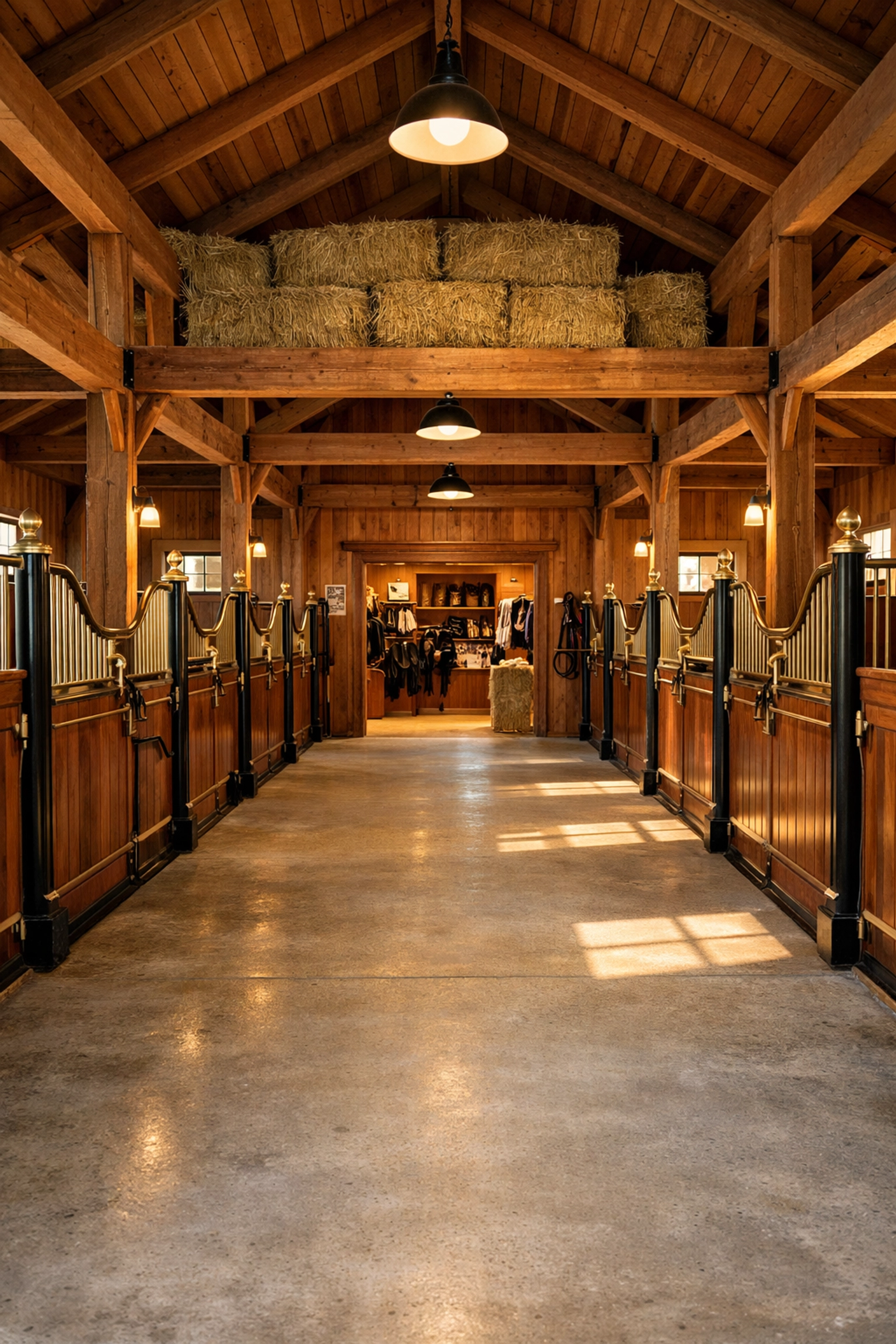
Pasture Infrastructure
Count gates, check fence tension, and walk the perimeter. Four-board oak fencing remains the gold standard for safety and durability. Well-maintained wire is acceptable if properly tensioned. Electric tape works for subdivision but shouldn't be the primary perimeter.
Evaluate pasture size against your intended herd. Two acres per horse minimum for North Carolina climate: more if your soil tends toward clay or if you plan year-round turnout.
The Practical Benefits of Waxhaw Location
Veterinary and Emergency Access
Carolina Equine Hospital in Monroe sits approximately 20 minutes from most Waxhaw properties. That proximity matters during colic episodes or lacerations that won't wait. Multiple large-animal practitioners service the area regularly for routine care and dentistry.
Feed and Supply Infrastructure
Southern States and local feed mills deliver to the area. Tractor Supply and smaller tack shops provide equipment access without the drive to Charlotte. This infrastructure exists because working farms have been here long enough to support it.
Show Venue Access
Waxhaw positions you within trailering distance of:
- FENCE in Tryon (1 hour)
- Carolina Horse Park (1.5 hours)
- Charlotte-area hunter/jumper barns (30-45 minutes)
If you're bringing clients to rated shows or young horses to schooling events, logistics matter. Waxhaw provides reasonable access without the premium land prices you'd pay in Tryon itself.
Due Diligence That Protects Your Investment
Soil Testing Before Closing
North Carolina soil varies dramatically within short distances. Professional testing identifies pH levels, nutrient deficiencies, and drainage capacity. This information determines pasture management costs and arena construction feasibility.
Budget $300-500 for comprehensive testing across multiple paddocks. The data pays for itself when you're calculating lime applications or deciding whether an outdoor arena needs French drains.
Zoning Verification for Commercial Use
If you plan to board, train, or host clinics, verify agricultural zoning permits commercial equestrian activity. Union County regulations differ from Mecklenburg County standards. Some properties carry residential zoning with agricultural exemptions that may not cover paid training.
Confirm directly with county planning rather than relying on listing descriptions. This single call prevents expensive surprises after closing.
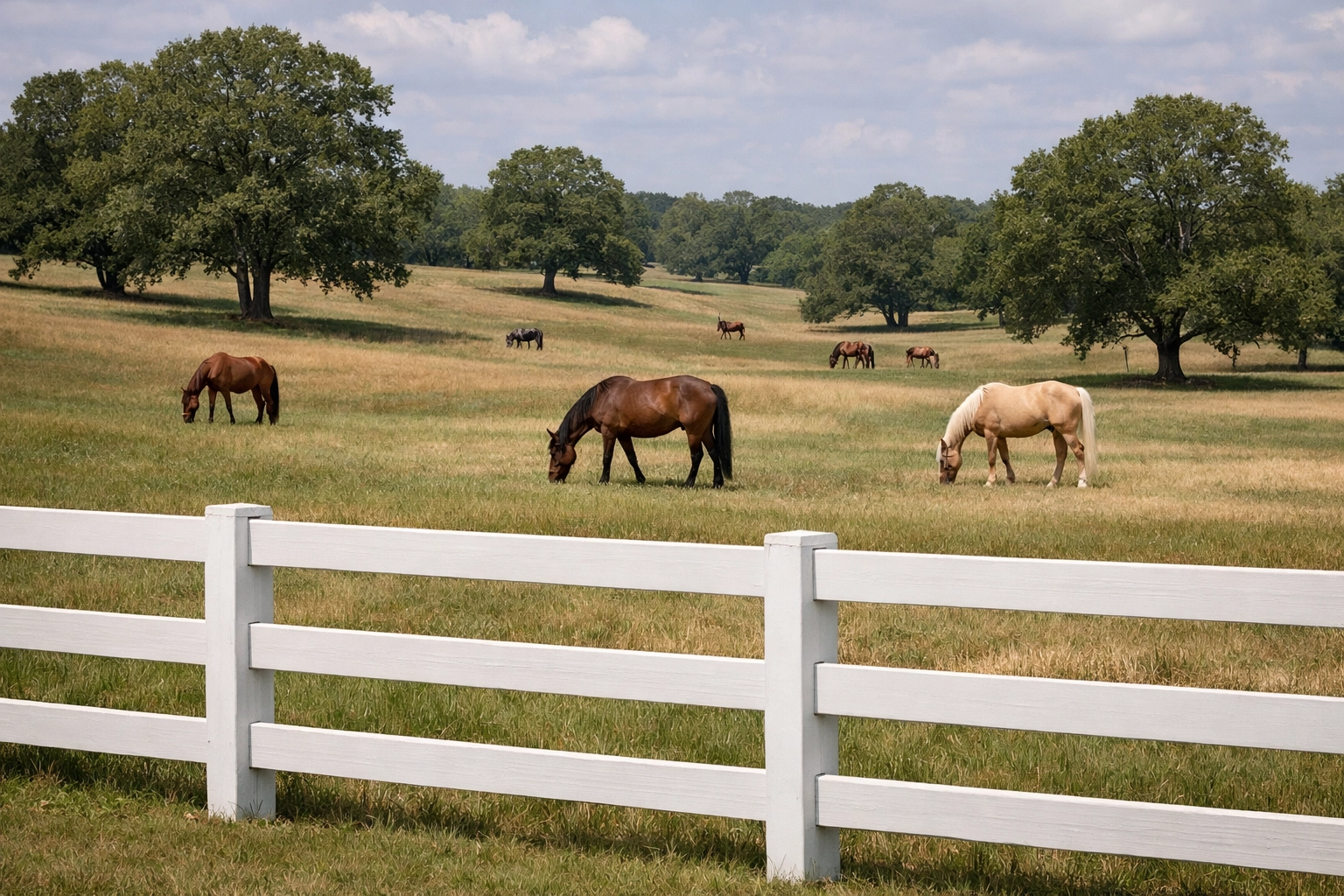
Inspection Focus for Horse Properties
Standard home inspections miss critical farm infrastructure. Hire inspectors experienced with agricultural properties who will evaluate:
- Barn electrical systems for code compliance and capacity
- Well water production rates (essential if you're running automatic waterers)
- Septic system sizing for barn wash areas
- Arena drainage and footing base
- Fence condition across entire perimeter
Working with Specialists Who Understand Farm Transactions
Equestrian property transactions require different expertise than residential sales. The right agent understands why a 10-acre property with a 6-stall barn and arena listed at $725,000 represents different value than a 10-acre residential lot with a hobby barn at the same price.
At Carolina Horse Farm Realty, our team lives this daily: we evaluate properties from the perspective of someone who mucks stalls, hauls to shows, and manages pasture rotation. Our knowledge of Waxhaw and surrounding areas comes from working with buyers and sellers who depend on their land for breeding programs, training operations, and retirement farms.
Next Steps for Serious Buyers
Current inventory moves when properties are priced correctly and offer genuine equestrian infrastructure. If you're ready to evaluate what's actually available in Waxhaw right now, explore our current listings or contact our team to discuss your specific requirements.
Whether you need 5 acres for personal horses or 40 acres for a training facility, understanding what exists in today's market: and what those properties actually offer beyond the listing photos: separates productive searches from wasted weekends.
The right farm is out there. Finding it requires knowing what questions to ask, what infrastructure actually costs to maintain, and which compromises you can live with versus which ones will haunt you every morning during feeding.

