

If you've been riding the greenways and dreaming of something more: your own pastures, your horses at home, trails out the back gate: Waxhaw deserves your attention. This isn't a market guide written by someone who Googled "equestrian property." This is what you need to know before you buy land in one of the Charlotte Metro's most horse-friendly communities.
Why Waxhaw Works for Horse Owners
Waxhaw sits in Union County, just 25 minutes south of Charlotte, where small-town character meets genuine equestrian infrastructure. The soil drains well. The climate supports year-round turnout. And unlike some of the closer-in suburbs that are losing their agricultural character to development pressure, Waxhaw still has room to breathe.
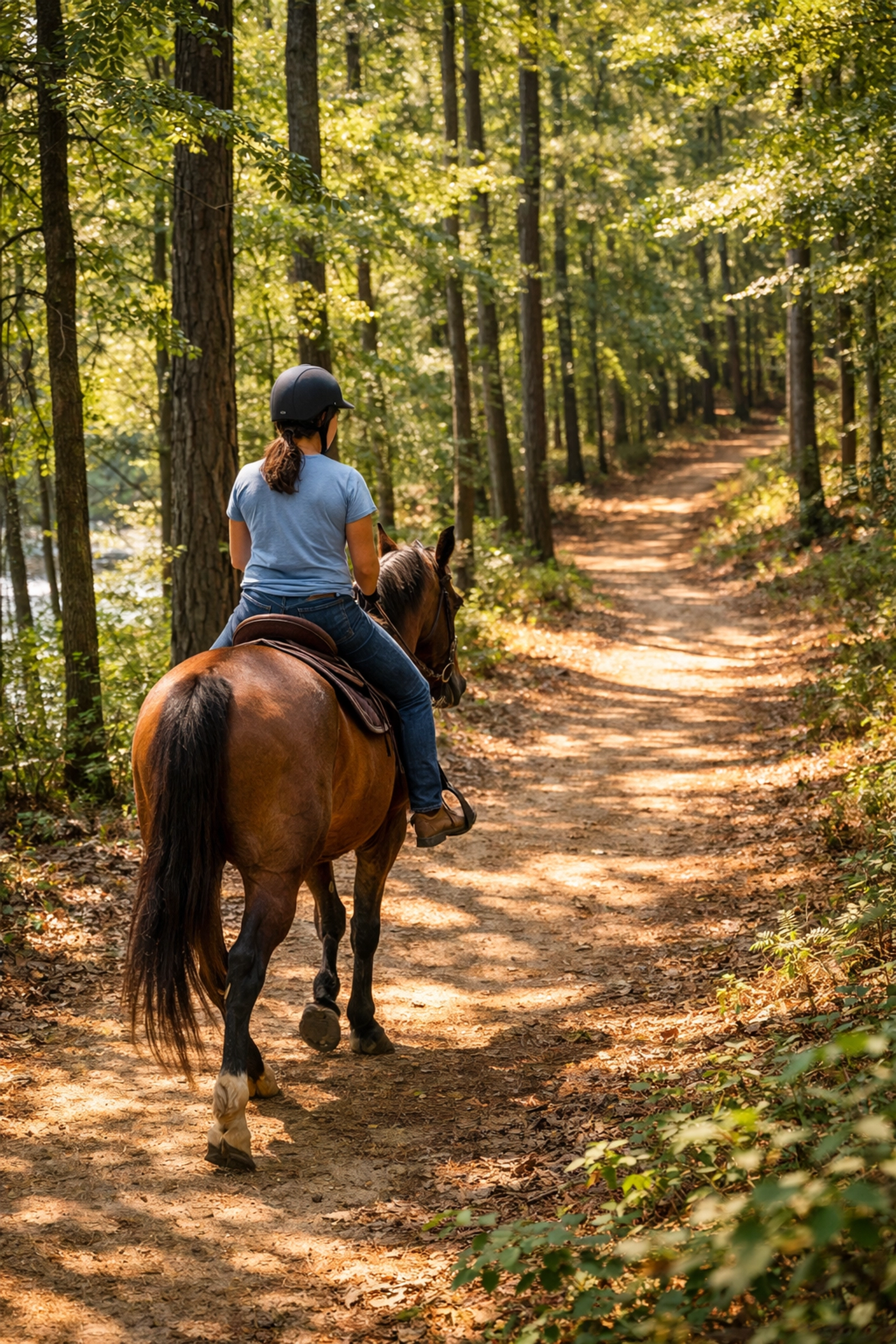
You'll find properties with existing barns, established pastures, and access to public trails: including Mineral Springs Greenway and the 1,100-acre Cane Creek Park system. This isn't pretend horse country. It's working horse country that happens to have excellent schools and reasonable proximity to Charlotte.
Current market snapshot: 17 to 43 equestrian properties are actively listed depending on the platform, with average prices ranging from $539,000 to $570,917. Per-acre costs run between $50,005 and $51,660, which reflects Waxhaw's position as accessible but not bargain-priced.
What You're Actually Buying: Property Types in Waxhaw
The Waxhaw market serves different equestrian needs. Understanding where you fit will save you months of looking at properties that don't match your management style or budget.
Starter horse properties (2-5 acres): Enough land for two to four horses with rotational grazing if you manage it well. Typically includes a small barn or run-in shelter. You'll supplement hay year-round and need manure management protocols that work on limited acreage. These properties suit riders who want their horses home but aren't running a training operation.
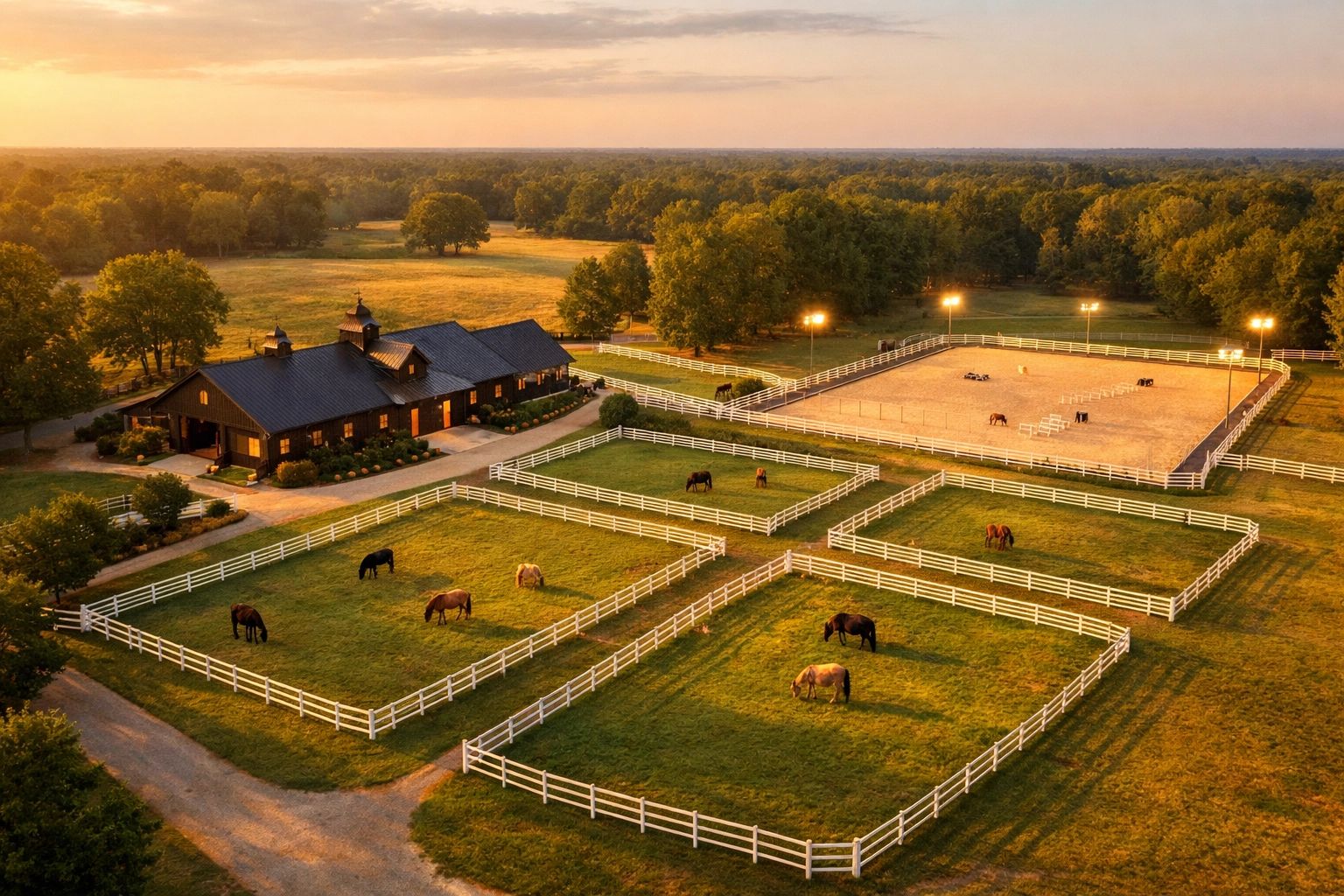
Mid-size equestrian estates (10-20 acres): The sweet spot for serious amateurs and small professionals. Properties like Break Away Farm exemplify this category: 10+ acres with a 4-stall center-aisle barn, multiple paddocks, a lit arena, and equipment storage. You can support four to eight horses depending on pasture quality, host clinics without overcrowding, and maintain some privacy between your residence and barn operations.
Large training facilities (20+ acres): Rare in Waxhaw proper but available in the surrounding Union County area. These properties support commercial boarding, training programs, or breeding operations. Look for existing infrastructure including indoor arenas, wash stalls, multiple pasture complexes, and adequate parking for trailers.
Luxury equestrian estates: High-end homes on acreage with custom barns, viewing rooms, and architect-designed details. These properties appeal to buyers who want both the horse lifestyle and refined residential finishes. Expect attached living quarters, stone or timber-frame construction, and amenities that blur the line between stable and estate.
The Infrastructure That Actually Matters
Walk properties with a horseperson's eye, not a homebuyer's checklist. The house can be renovated. The barn location, drainage patterns, and pasture layout are much harder to change.
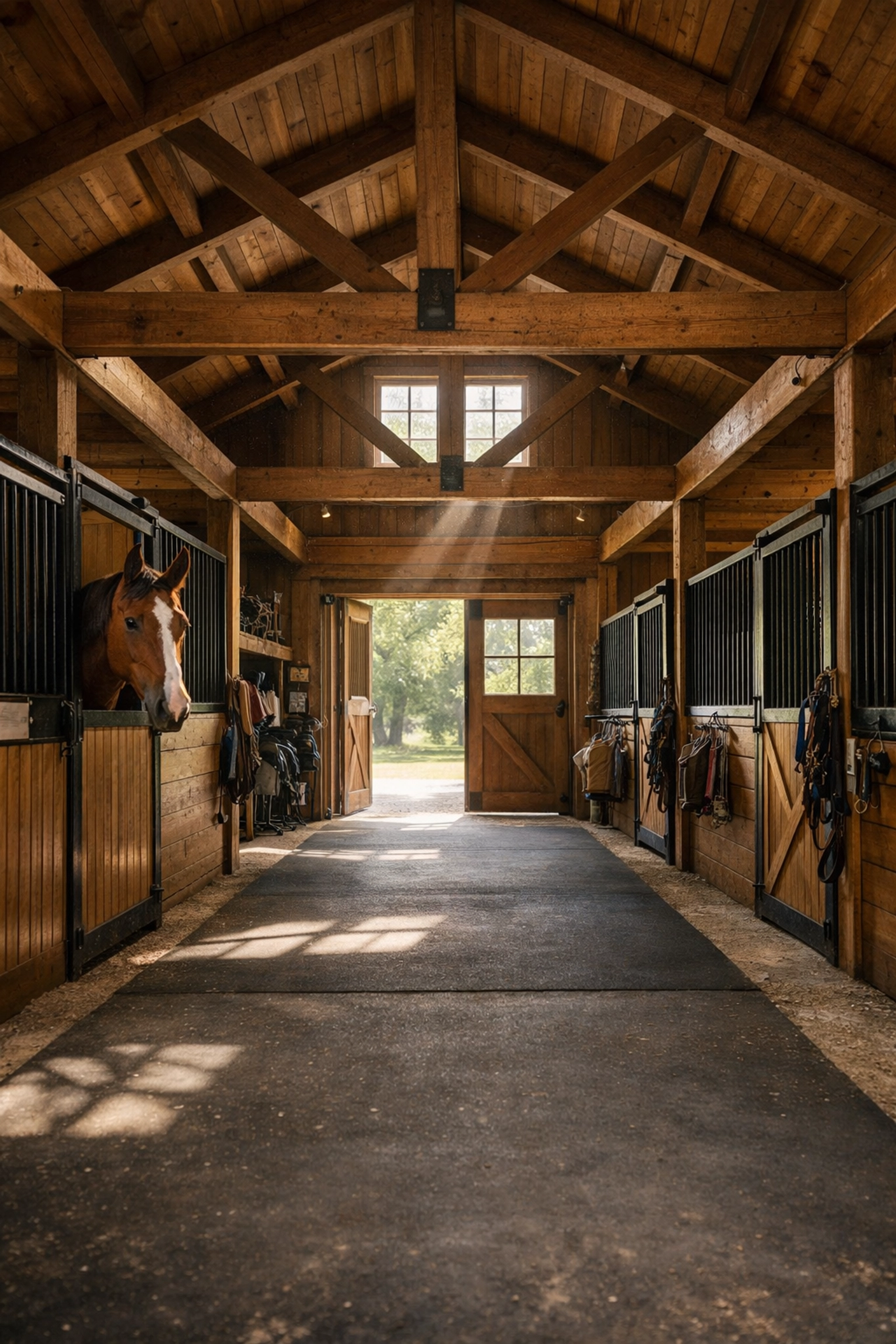
Barn considerations: A 4-stall barn with proper ventilation, matted stalls, and a center aisle will serve you better than an 8-stall barn with poor airflow and cheap materials. Look for adequate ceiling height (minimum 10 feet), proper electrical with GFCI outlets, and water hydrants that won't freeze. A hay loft is convenient but creates fire risk: many experienced buyers prefer separate hay storage.
Arena quality: A 50' × 125' arena with good footing and lighting extends your riding season and training capability. Proper base construction matters more than size. A well-built small arena beats a large arena with drainage problems and compacted footing. Some Waxhaw properties include sprinkler systems for dust control: valuable during Carolina summers.
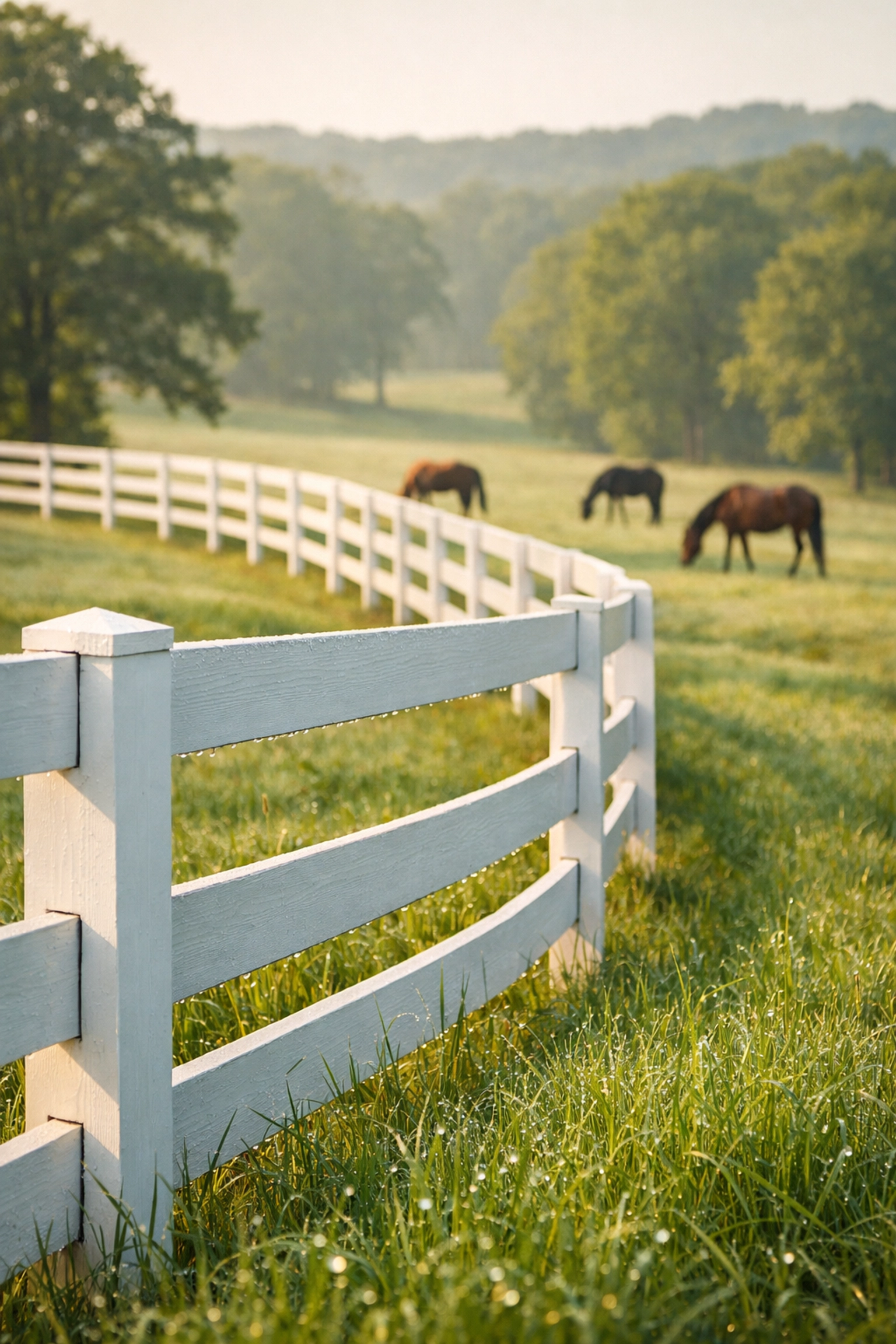
Pasture assessment: Walk the fence lines. Check for dangerous wire, rotted posts, and inadequate gates. Evaluate pasture quality by what's growing: good grass species or mostly weeds? Properties with established pasture management (rotational grazing, appropriate stocking rates) indicate owners who understood horses, not just rural real estate.
Water access: Multiple frost-free hydrants throughout the property are non-negotiable. Automatic waterers in paddocks reduce labor but add maintenance. Ponds can supplement watering but shouldn't be your primary source without reliable flow.
Equipment storage: A 4-bay equipment shed protects tractors, mowers, and implements from weather. If a property lacks adequate covered storage, factor that cost into your offer.
Union County Zoning and Practical Realities
Waxhaw is part of Union County, where agricultural zoning generally supports equestrian use. Most horse properties fall under RA (Residential Agricultural) or similar designations that permit horses, barns, and related structures.
Key considerations: Minimum lot sizes for horses vary by specific zoning district but typically require 1-2 acres. Setback requirements affect where you can build new barns or arenas. If you plan to board horses commercially, operate riding lessons, or host shows, verify that your intended use is permitted or requires a conditional use permit.
Union County doesn't have the same density pressure as Mecklenburg County, but development is ongoing. Properties near schools and major roads face higher long-term subdivision risk. If preserving your rural setting matters, look for properties with conservation easements or in areas with larger minimum lot sizes.
The Waxhaw Equestrian Community
Beyond individual properties, you're buying into a community. Waxhaw supports multiple boarding facilities, riding instructors, farriers, and veterinarians who understand performance horses. The Cane Creek Park trail system connects properties throughout the area, creating a network that feels more like traditional hunt country than suburban sprawl.
Local organizations including hunter/jumper barns, dressage facilities, and trail riding groups are active. You'll find clinicians who travel to the area regularly and a customer base that supports quality equine services. This infrastructure matters: especially if you're relocating from an established equestrian area.
The village of Waxhaw itself maintains small-town character with local restaurants, shops, and a genuine community identity. You're not buying a house on acreage in a subdivision. You're buying into an agricultural community that takes horses seriously.
Financial Considerations Beyond the Purchase Price
Budget for property improvements even on turnkey facilities. Pasture renovation, arena maintenance, barn repairs, and fence upkeep are ongoing expenses. Properties with deferred maintenance may look like opportunities but calculate realistic renovation costs before you commit.
Operating costs for a 10-acre property with four horses run $2,000-$4,000 monthly depending on your management style. This includes hay, feed, bedding, routine farrier and veterinary care, property maintenance, and utilities. Properties with older wells, septic systems, or electrical services may require upgrades to support equestrian operations.
Consider tax implications. North Carolina offers agricultural tax benefits for qualifying properties, which can significantly reduce annual property taxes. Most horse properties in Waxhaw qualify if properly managed and documented.
Making Your Decision
The best horse property isn't the one with the most impressive barn or largest acreage. It's the property that matches your management capability, riding discipline, and long-term goals. A well-maintained 5-acre property often outperforms a neglected 20-acre farm.
Before you make offers, spend time in Waxhaw. Ride the trails. Visit local feed stores. Talk to farriers and veterinarians about their service areas. The property sits in a context: make sure that context supports your equestrian life.
Work with agents who understand horses, not just rural real estate. The questions you need answered: about soil quality, water reliability, barn layouts, and pasture management: require someone who's mucked stalls and fixed fence, not someone who thinks "equestrian property" is a marketing category.
Your Next Steps
Waxhaw offers legitimate horse property options for buyers who know what they need. The market moves quickly for well-priced properties with quality infrastructure. If you're ready to explore what's available, view current listings or contact our team to discuss your specific requirements.
This is about finding land that works for your horses first. Everything else follows from that foundation.


