

When riders talk about world-class equestrian destinations in the United States, Tryon consistently rises to the top of the conversation. Nestled in the foothills of Western North Carolina, this region has transformed from a quiet horse community into a globally recognized equestrian hub: all while maintaining the authentic, horse-first culture that serious riders demand.
If you're considering purchasing equestrian property in Tryon, you're not alone. The region attracts everyone from Olympic-level competitors to weekend trail enthusiasts, and for good reason. But before you start touring properties, there are critical factors that separate a smart investment from a costly mistake.
Why Tryon Continues to Lead as an Equestrian Destination
World-Class Infrastructure That Actually Serves Horse People
The Tryon International Equestrian Center transformed the landscape when it opened, but the region's appeal extends far beyond one facility. What makes Tryon exceptional is the complete ecosystem it offers: experienced veterinarians who understand performance horses, farriers who can handle everything from barefoot trims to therapeutic shoeing, and barn builders who actually ride and understand proper ventilation, footing, and layout.
This infrastructure didn't appear overnight. It developed organically over decades as equestrians recognized the region's potential and built businesses to serve the community. You're not moving to a place where you'll struggle to find qualified professionals: you're joining an established network where horse expertise is the baseline expectation.
Protected Trail Systems and Natural Terrain
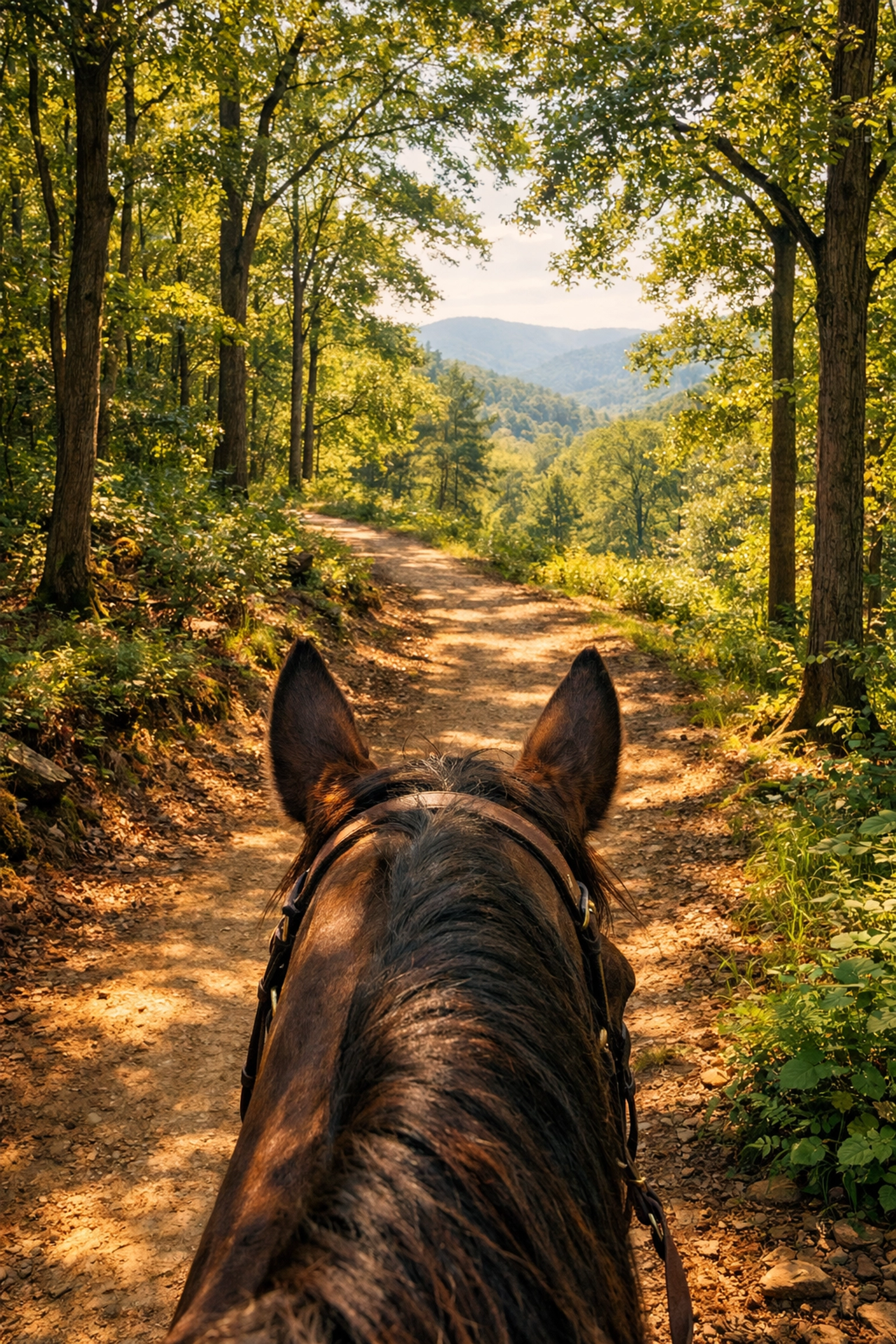
The rolling hills of Western North Carolina provide some of the most beautiful riding terrain in the Southeast. More importantly, Tryon offers access to protected trail systems that allow riders to explore miles of maintained paths without constantly navigating private property boundaries or roadways.
For riders who prioritize trail access: whether for conditioning, pleasure riding, or simply mental breaks from arena work: this protected access represents significant value. Many equestrian communities promise trails but deliver fragmented access or poorly maintained paths. Tryon's trail network reflects decades of careful preservation and community investment.
Year-Round Riding Without Compromise
If you've ever dealt with frozen water buckets, snow-covered arenas, or months where outdoor riding becomes impractical, you understand the value of Tryon's mild foothills climate. The region supports year-round riding without the extreme heat of Florida or the harsh winters that limit northern equestrian communities.
This extended season matters for serious training programs, young horse development, and maintaining fitness in competition horses. It also means you're not paying for facilities you can only use six months of the year.
The Affordability Advantage No One Talks About
Tryon positions itself as one of the more affordable established horse communities in the country: a significant advantage when compared to markets like Wellington, Aiken, or Middleburg. According to recent data, Tryon's cost of living runs approximately 4.3% below the national average, with a median home value of $393,781.
This affordability extends beyond initial purchase price. Operating costs for hay, shavings, feed, and routine maintenance tend to run lower than in more expensive equestrian markets. For buyers planning to maintain multiple horses or operate a small training business, these ongoing cost differences compound significantly over time.
What You Must Evaluate Before Purchasing in Tryon
Realistic Acreage Assessment
One of the most common mistakes buyers make is underestimating their acreage needs or overestimating what they can manage. Before you fall in love with a property, calculate your requirements based on actual horse numbers, desired pasture rotation, and maintenance capacity.
As a general guideline, plan for 1.5 to 2 acres per horse if you're implementing proper pasture management with rotation. If you're planning to keep horses in dry lots or sacrifice areas, you'll need less grazing land but more investment in footing, drainage, and hay storage.
Consider your long-term plans. If you currently have two horses but might expand to four or five, or if you plan to breed or offer training services, build that growth into your acreage calculations now.
Barn Specifications That Match Your Program
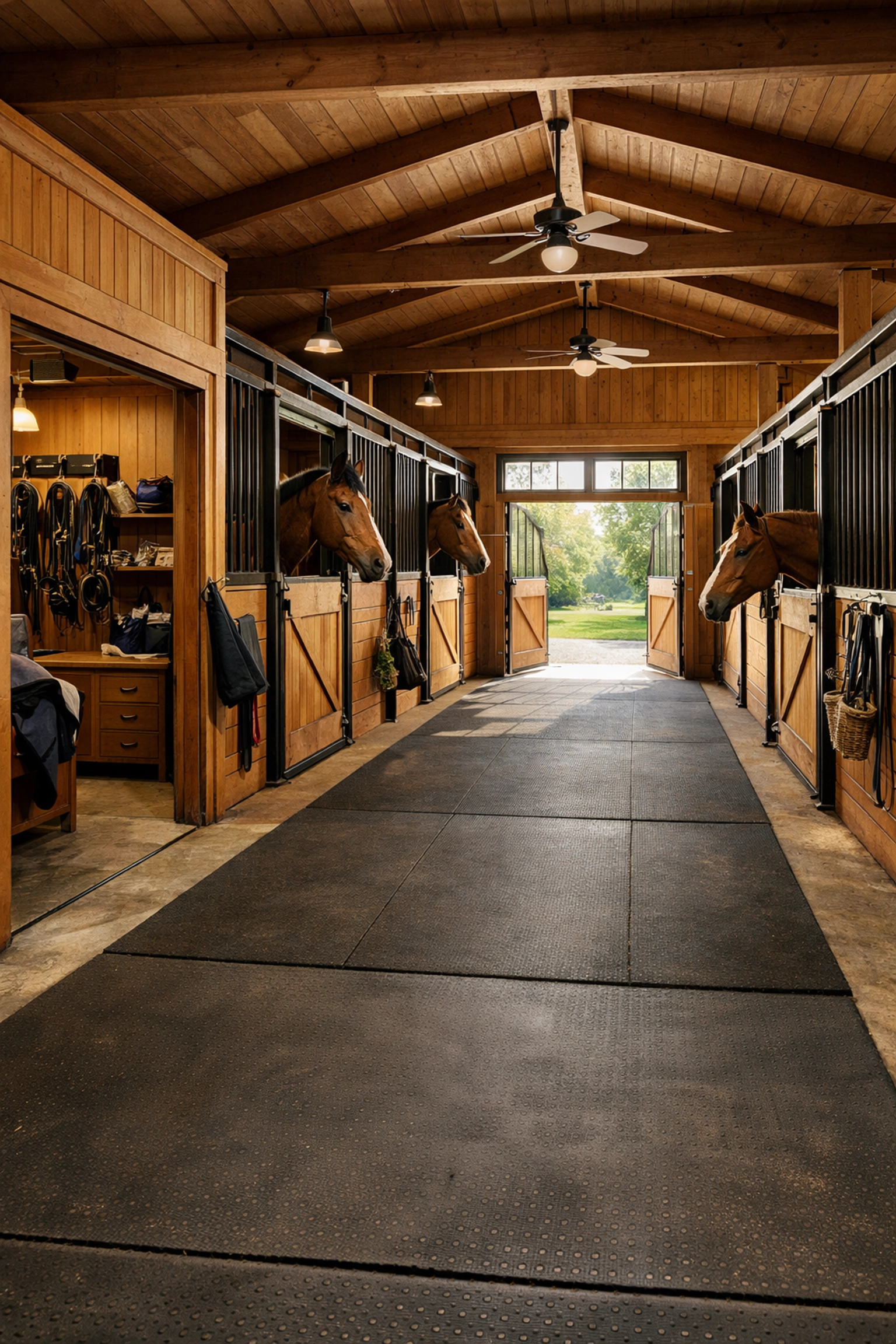
Not all barns serve the same purpose. A breeding operation needs foaling stalls with cameras and excellent lighting. A dressage training facility requires adequate tack storage, grooming areas, and potentially wash stalls with hot water. A small private barn for pleasure horses might prioritize natural light and run-in access over stall count.
Tour properties with a clear understanding of your barn requirements. Can the existing structure support your program, or will you need to invest in modifications or new construction? Understand local barn builders' timelines and costs before committing to a property that requires significant barn work.
Arena Requirements and Riding Surface Options
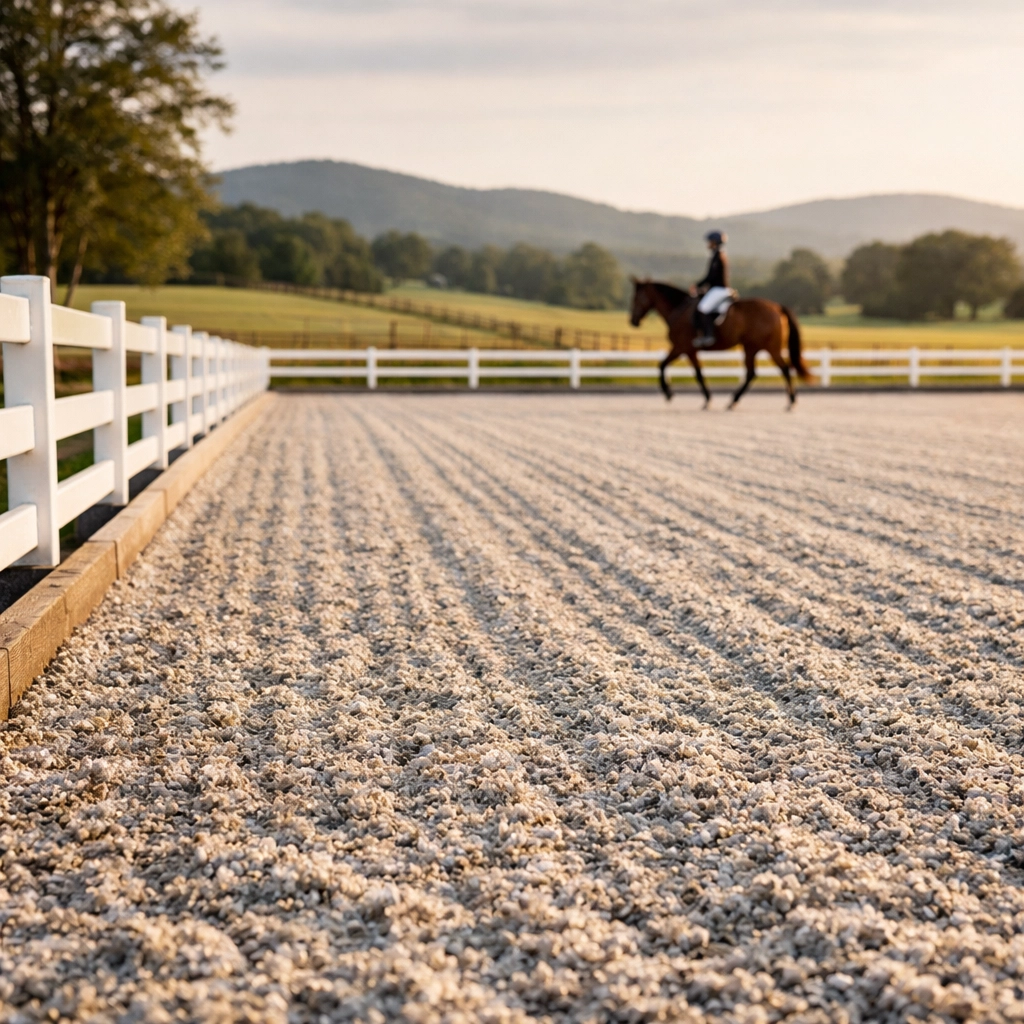
Decide whether you need an arena: and if so, what type. Many Tryon properties include outdoor arenas, but the quality of footing, drainage, and maintenance varies dramatically. An arena that looks presentable during a dry summer showing might turn into a mud pit during winter rains.
If you're considering properties without arenas, understand the cost and timeline for installation. A properly constructed outdoor arena with quality footing, drainage, and appropriate fencing typically represents a $50,000 to $100,000+ investment depending on size and specifications.
Indoor arenas add even more value: and cost: but in Tryon's climate, they're not always necessary for year-round riding. Evaluate whether your discipline and training schedule truly requires covered riding or whether a well-maintained outdoor arena meets your needs.
Conservation Easements and Trail Access Rights
Carefully review any conservation easements on properties you're considering. While easements can provide tax benefits and protect the rural character of surrounding land, they also place permanent restrictions on development, building placement, and sometimes even fencing.
Verify trail access rights with documentation, not verbal promises. If joining the protected trail system is important to you, confirm that the specific property includes legal trail access and understand any associated fees or membership requirements.
Understanding the Current Tryon Market
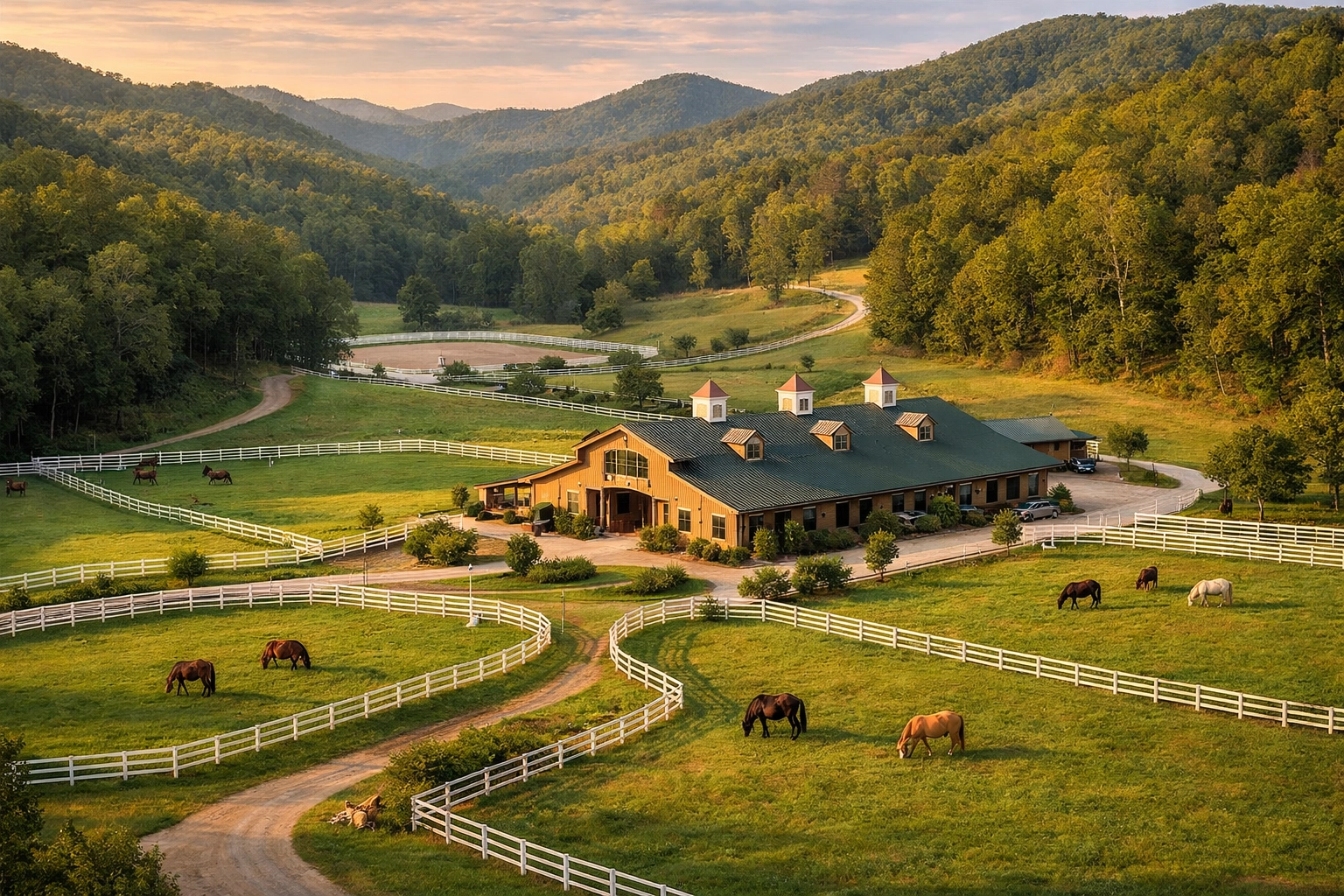
The Tryon equestrian market currently offers diverse options across price points. Recent listings show land parcels ranging from 6 to 11 acres priced between $170,000 and $430,122. Fully developed equestrian estates with homes, barns, and amenities range from approximately $600,000 to over $2.7 million depending on acreage, home quality, and equestrian infrastructure.
This range reflects the market's diversity. You can purchase raw land and build exactly what you need, or move into a turnkey operation ready for immediate use. The best choice depends on your timeline, budget, and willingness to manage construction projects.
Properties with established barns, quality fencing, and functional arenas typically command premium pricing: but they also eliminate years of construction headaches and allow you to start riding immediately.
The Riding Culture Reality
One persistent misconception suggests Tryon caters exclusively to English disciplines or hunter/jumper competitors. The reality is far more diverse. The region supports dressage, eventing, western riding, endurance, and recreational trail riding with equal enthusiasm.
This diversity strengthens the community. You'll find experienced professionals across disciplines, used equipment markets that serve varied needs, and a culture that respects different riding styles. Whether you're training young event prospects or enjoying weekend trail rides on your Quarter Horse, you'll find your people in Tryon.
Moving Forward With Confidence
Tryon Horse Country earned its reputation through decades of careful community building, infrastructure investment, and an unwavering commitment to serving horses first. The region continues to attract serious equestrians because it delivers on the fundamentals: quality land, professional services, protected trail access, and a riding culture built by people who actually spend time in the saddle.
Before you purchase, work with a real estate professional who understands equestrian properties: not just residential sales. The right agent will help you evaluate drainage patterns, assess barn construction quality, understand local zoning regulations, and identify potential issues that generic home inspections miss.
Our team at Carolina Horse Farm Realty specializes in equestrian properties throughout the Charlotte Metro area and Western North Carolina. We understand the unique requirements of horse property because we're horse people first. If you're ready to explore what Tryon has to offer, or if you're evaluating other equestrian markets in the region, contact us to discuss your specific needs. We're here to help you find property that serves your horses, supports your riding goals, and represents a sound long-term investment.

