
What to Know About Water Rights for North Carolina Horse Properties
james
When you're shopping for the perfect horse property in North Carolina, you're probably focused on barn layouts, pasture quality, and arena space. But there's one critical element that many buyers overlook until it's too late: water rights.
As horse people, we know that a single horse can drink 5-10 gallons of water daily, more in hot weather or with increased activity. Multiply that by your herd size, add in barn washing, arena watering, and general farm maintenance, and you're looking at serious water consumption. Without proper water rights, your dream property could become a legal and financial nightmare.
Understanding North Carolina Water Rights: The Basics
North Carolina operates under a complex system of water laws that blend traditional riparian rights with modern regulatory oversight. Understanding these distinctions isn't just legal technicality, it's essential protection for your investment.
Riparian Rights are the most common form of water rights you'll encounter. If your property borders a natural waterway like a creek, river, or natural pond, you likely have riparian rights. These rights allow you to use water for "reasonable" purposes, which typically includes livestock watering, domestic use, and irrigation.
However, "reasonable use" has limits. You can't divert an entire stream for your arena sprinkler system if it impacts downstream neighbors. The doctrine requires that your use be proportional to your land ownership and not unreasonably interfere with other riparian owners.
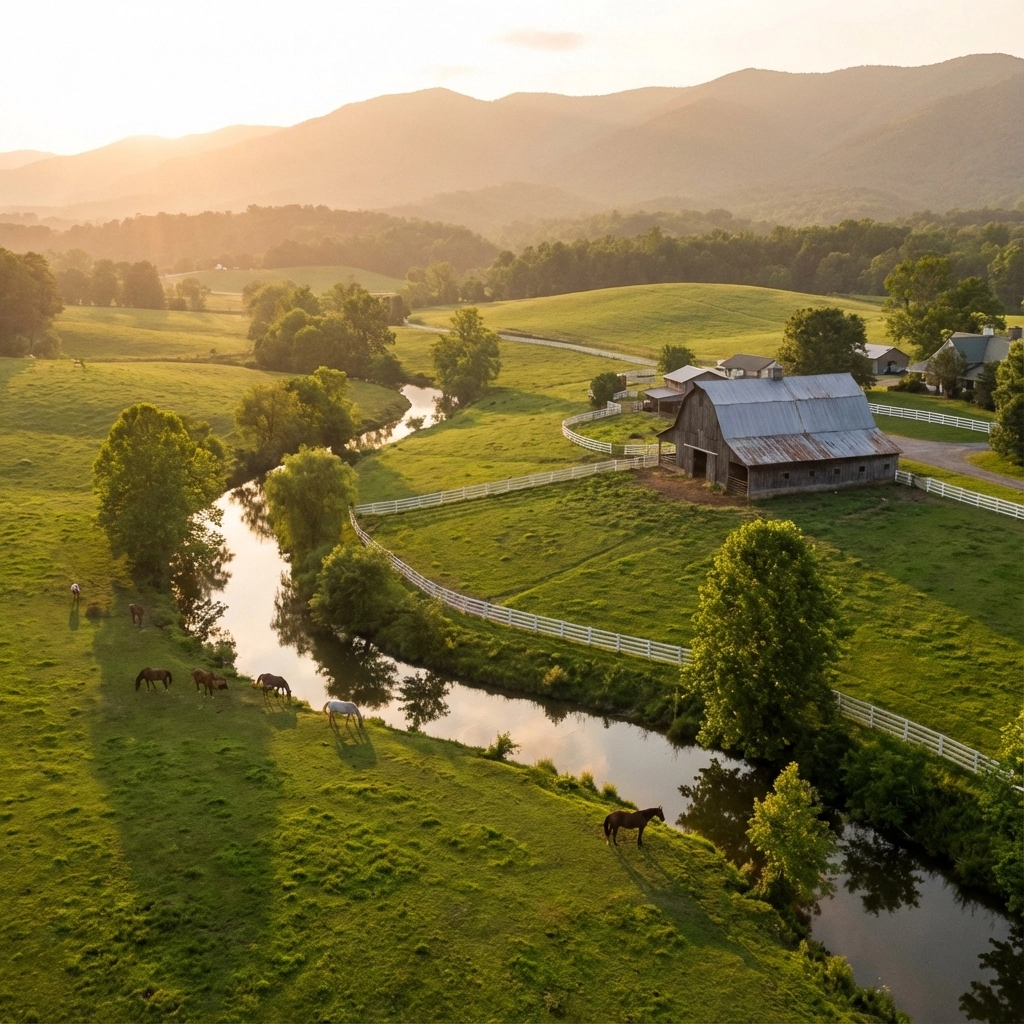
Prior Appropriation Rights operate differently and are less common in North Carolina's water-rich environment. These "first in time, first in right" systems prioritize based on historical use rather than land ownership. While North Carolina primarily follows riparian doctrine, some water rights may involve appropriative elements, particularly for larger commercial operations.
Groundwater Rights in North Carolina generally follow the "reasonable use" doctrine. As a landowner, you typically have the right to drill wells and extract groundwater for beneficial use on your property. However, recent years have brought increased attention to groundwater conservation, particularly in areas experiencing development pressure.
Types of Water Sources and Their Legal Implications
Different water sources on your prospective horse property carry different legal considerations and protections.
Natural Springs and Wells typically offer the most secure water rights for horse property owners. As groundwater, these sources generally fall under your property rights, though quantity and quality can vary seasonally. When evaluating a property, always request recent well logs and water quality tests. A productive well that's been reliable for decades provides more security than surface water rights that might face future restrictions.
Natural Streams and Rivers provide riparian rights, but these come with responsibilities. You're entitled to reasonable use, but you must maintain natural flow patterns and water quality for downstream users. This means you can install a livestock watering system, but you can't dam the entire creek to create a swimming hole for your horses.
Constructed Ponds and Reservoirs present unique situations. If the previous owner legally impounded water to create a pond, you'll typically inherit those rights. However, some older farm ponds may not have proper permits, a potential liability you'll want to identify during due diligence.
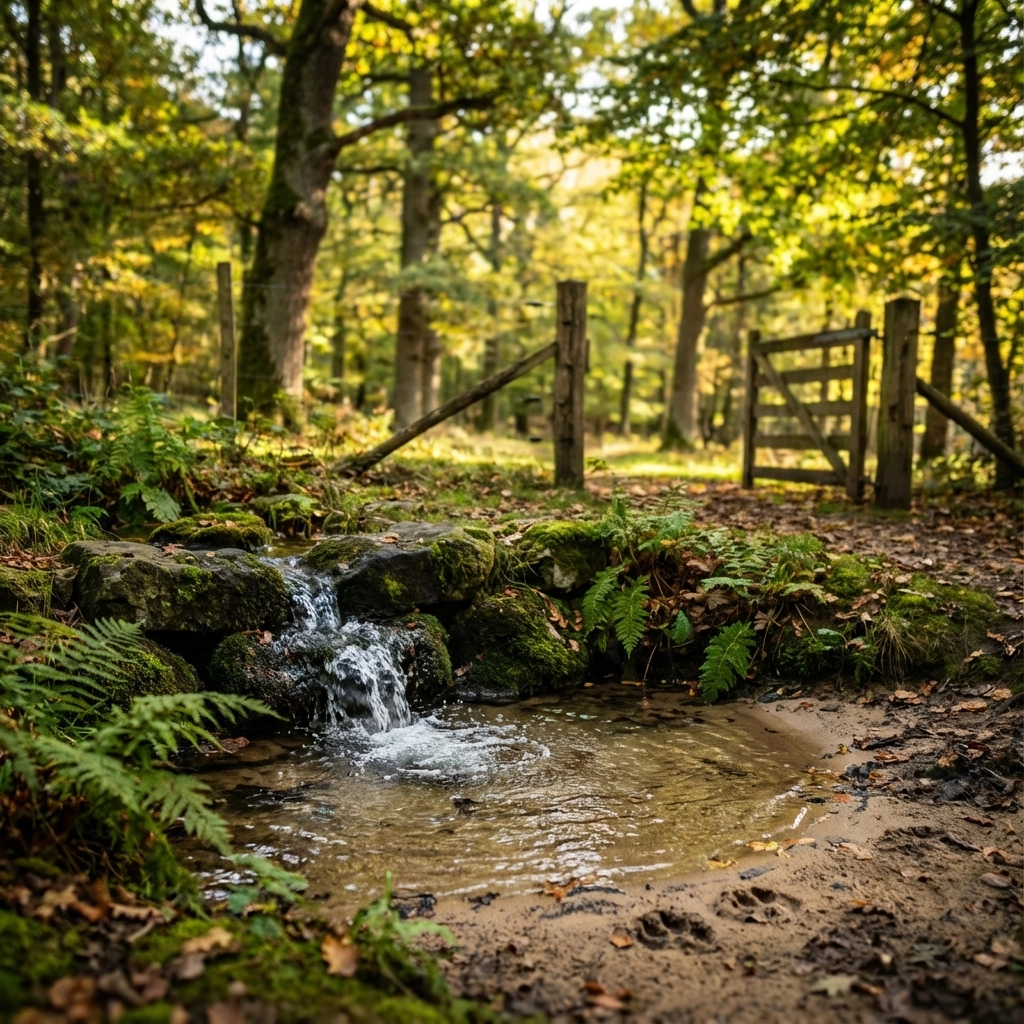
Shared Water Sources require careful attention to existing agreements. Some rural properties share wells or spring systems with neighbors through formal easements or informal arrangements. These situations need thorough legal review before closing.
Red Flags to Watch During Property Evaluation
Experienced horse property buyers know that water issues often hide beneath surface appearances. Here are warning signs that should trigger deeper investigation:
Seasonal Water Availability can turn a dream property into a management nightmare. That beautiful creek running through the pasture might be a dry ditch come August. Always ask for water availability data across multiple seasons and drought years. Sellers should be able to provide information about well recovery rates and surface water reliability.
Upstream Development poses ongoing risks to your water security. A new subdivision or industrial facility upstream can dramatically impact both water quantity and quality. Research planned development in your watershed and understand how it might affect your future water access.
Aging Infrastructure often signals expensive upgrades ahead. Old wells may need replacement, and outdated irrigation systems might not meet current efficiency standards. Factor these potential costs into your purchase decision.
Undefined Boundaries around water sources create future conflict potential. If property lines aren't clearly marked relative to streams, springs, or ponds, you could face disputes with neighbors about access and use rights.
Protecting Your Water Investment
Smart horse property buyers take proactive steps to protect their water rights from day one.
Professional Water System Evaluation should happen during your due diligence period. Have a qualified well contractor assess any existing wells, including flow rates, water quality, and equipment condition. For surface water sources, consider hiring a hydrologist to evaluate long-term sustainability, especially if you're planning to expand your operation.
Legal Review of Existing Agreements protects you from inheriting problems. Any shared water arrangements, easements, or restrictions should be thoroughly reviewed by an attorney familiar with North Carolina water law. Don't assume that informal agreements with neighbors will continue smoothly under new ownership.
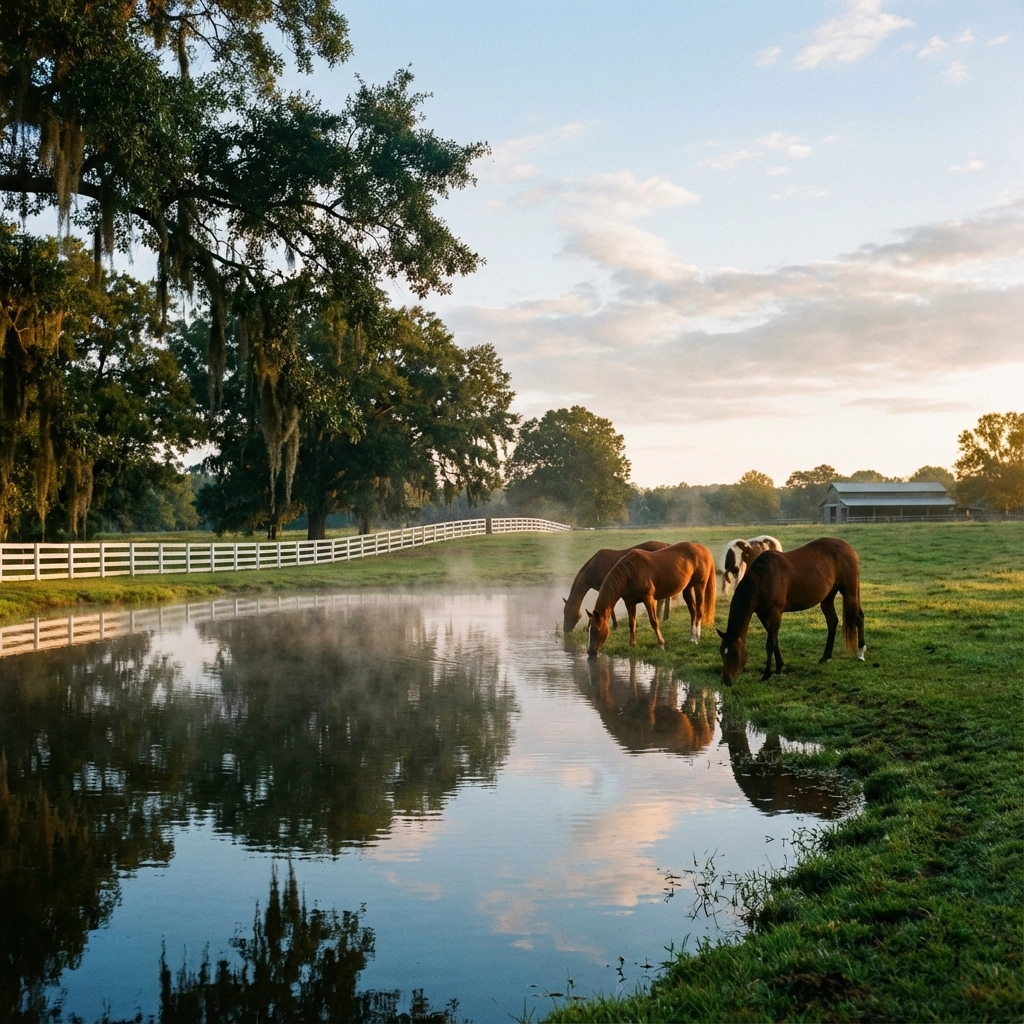
Documentation and Permits require careful attention. Ensure that any water rights, well permits, or impoundment structures have proper documentation. Missing paperwork can create expensive legal challenges down the road.
Insurance Considerations often overlook water-related risks. Standard property insurance may not cover certain water rights disputes or contamination issues. Discuss these exposures with your insurance agent and consider additional coverage where appropriate.
Working with the Right Professionals
Water rights issues require specialized expertise that goes beyond typical real estate transactions.
Real Estate Agents with equestrian property experience understand the unique water demands of horse operations. We know which questions to ask and which professionals to recommend for specialized evaluations. Our familiarity with North Carolina's rural property market helps identify potential issues before they become deal-breakers.
Water Rights Attorneys provide essential expertise for complex situations. If your target property involves shared water sources, disputed boundaries, or commercial-scale water use, legal counsel specializing in North Carolina water law becomes crucial.
Environmental Consultants offer valuable services for properties with potential contamination risks or complex watershed issues. Their expertise becomes particularly important if your property lies near industrial activities or areas with known environmental concerns.
Planning for Future Needs
Successful horse property ownership requires thinking beyond current needs to anticipate future requirements.
Herd Expansion significantly impacts water demands. If you're starting with a few horses but planning to grow your operation, ensure your water rights and infrastructure can accommodate that growth. Drilling additional wells or upgrading distribution systems becomes much more expensive after purchase.
Climate Considerations increasingly affect water planning. North Carolina's changing precipitation patterns mean that historical water availability data may not predict future conditions. Building resilience into your water systems protects your investment against uncertainty.
Regulatory Changes can affect future water use. Stay informed about evolving environmental regulations and watershed protection measures that might impact your property. Understanding the regulatory trajectory helps you make informed decisions about improvements and expansions.
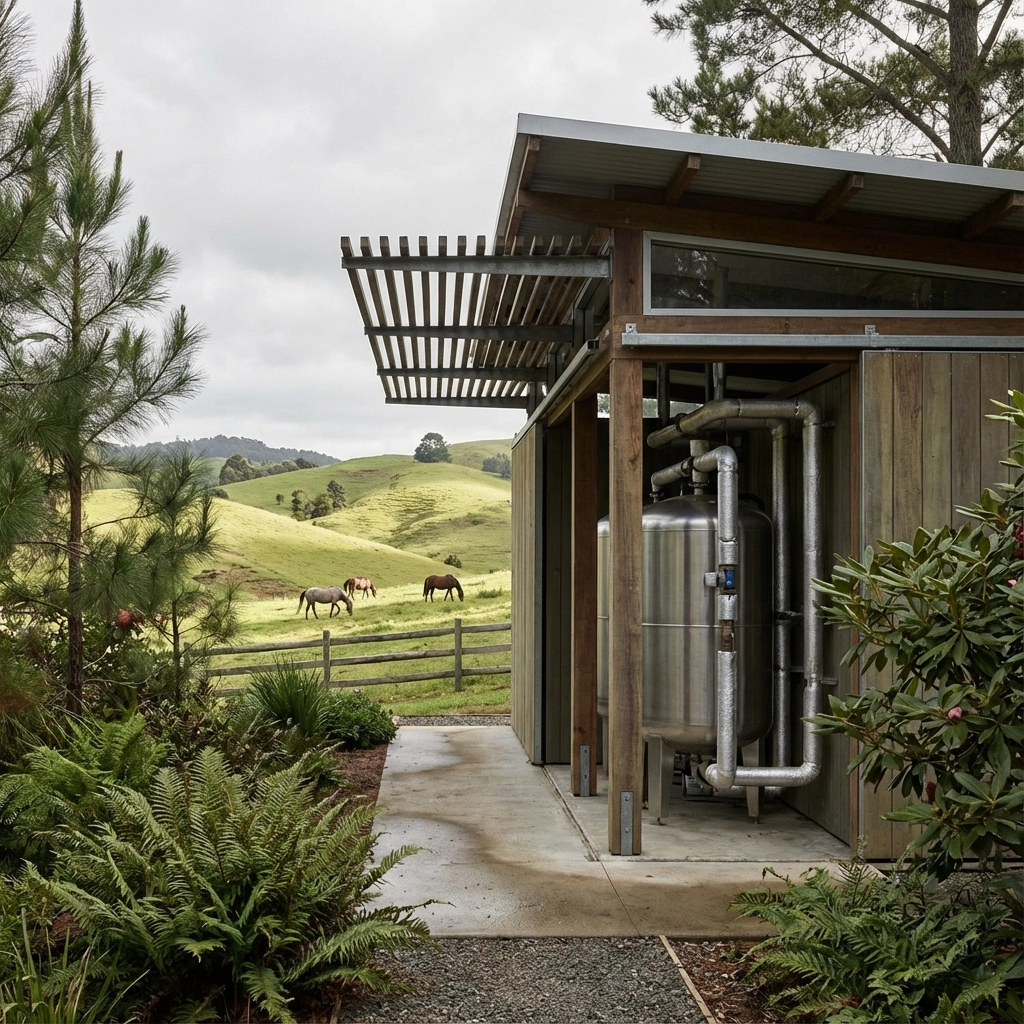
The Bottom Line for Horse Property Buyers
Water rights represent both an essential utility and a valuable property asset. In North Carolina's competitive equestrian property market, buyers who understand water rights hold significant advantages during negotiations and long-term ownership.
Properties with secure, abundant water sources command premium pricing: and rightfully so. The average cost of $19,194 per acre for water rights properties reflects the market's recognition of water's value. However, these premiums often prove worthwhile when compared to the costs and uncertainties of properties with questionable water access.
Most importantly, remember that water rights issues rarely improve with time. Problems that seem manageable during property tours often compound under the stress of daily horse care demands. Taking time to thoroughly evaluate water rights during your purchase process protects both your horses' welfare and your investment's value.
Working with professionals who understand both equestrian needs and North Carolina water law ensures that your dream horse property provides the reliable water access essential for successful operations. At Carolina Horse Farm Realty, we bring this specialized knowledge to every equestrian property transaction, helping you identify opportunities and avoid costly mistakes.
Water rights may seem like technical legal detail, but for horse property owners, they represent the foundation of sustainable operations. Get this critical element right, and you're positioned for decades of successful horse ownership in North Carolina's beautiful countryside.
Related Articles

The Ultimate Guide to Horse Farms for Sale in Waxhaw, NC: Everything You Need to Succeed

Luxury Equestrian Properties in Marvin, NC: The Ultimate Guide to High-End Horse Farm Living

Hidden Gems: 7 Reasons Horse Farms for Sale in Davidson, NC Are Worth a Second Look
Ready to Find Your Dream Horse Property?
Let our team of equestrian real estate experts help you find the perfect property in the Charlotte Metro area.